AI Lookbook: Build a Full Lookbook Without a Shoot
Author: Can Bayrak, Founder, Kayrae.ai
Disclosure: Can Bayrak is the founder of Kayrae. All comparisons use verified third-party data.
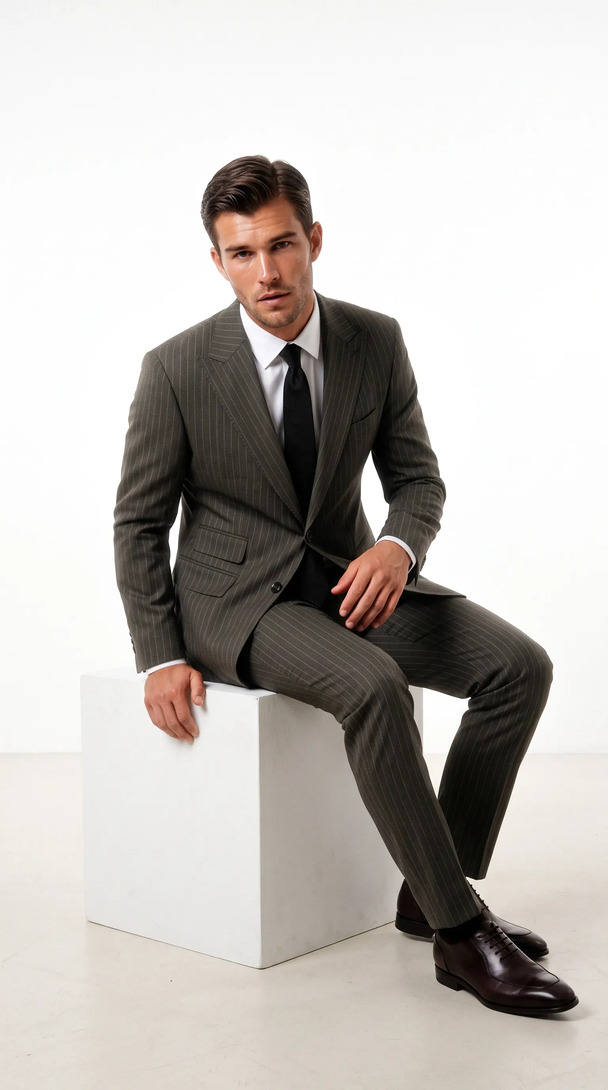
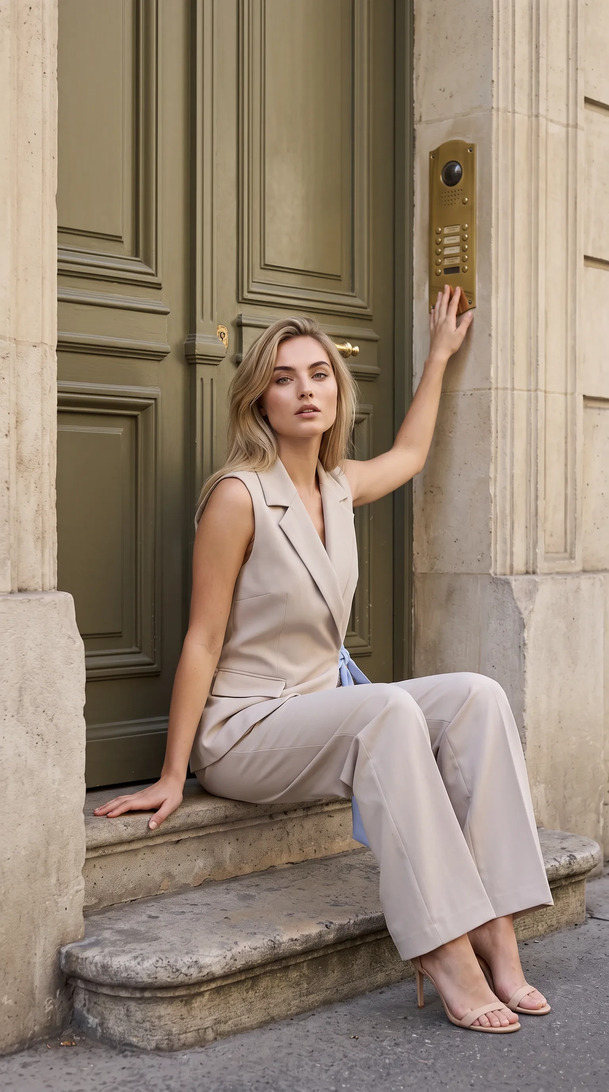
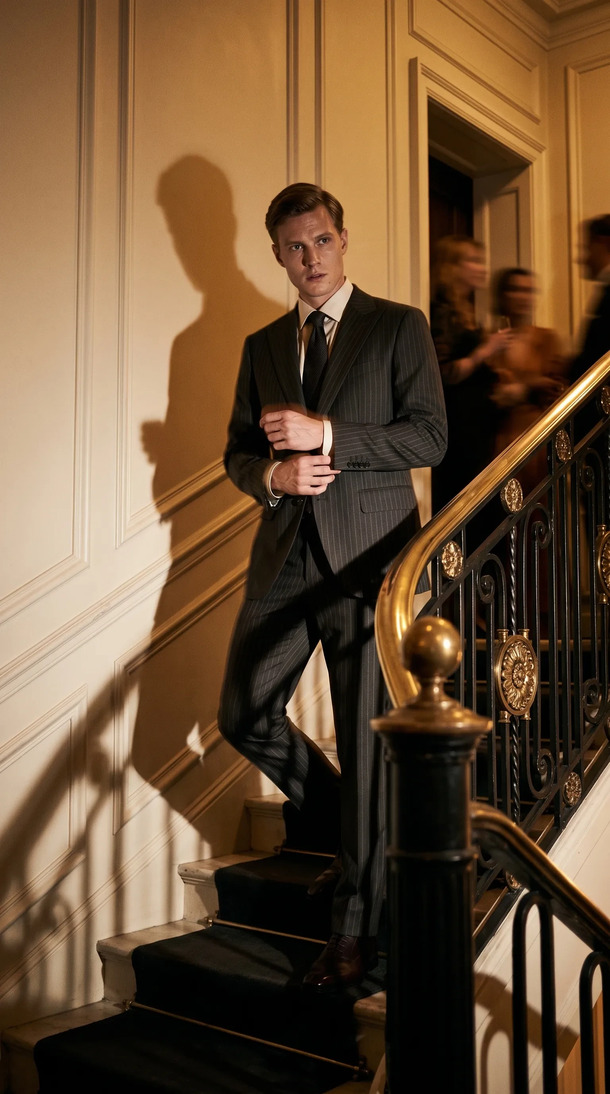
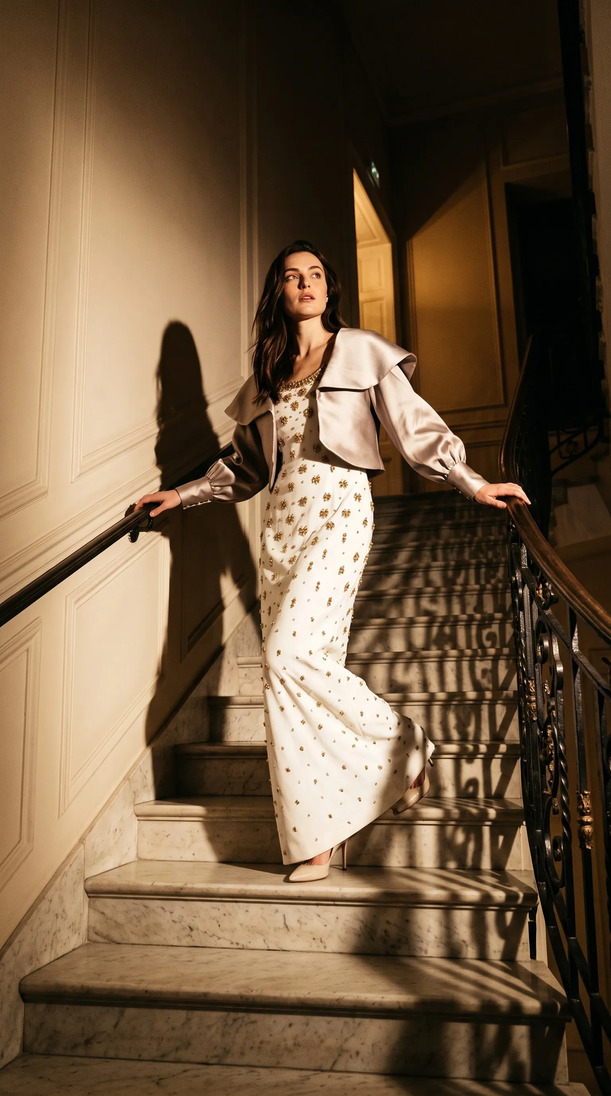
What is an AI lookbook? An AI lookbook is a curated collection of on-model fashion images produced using artificial intelligence rather than a physical shoot. Instead of booking a studio, models, and a production crew, brands upload product images (flat lays or packshots) to an AI platform, generate styled on-model looks, and arrange them into a cohesive seasonal lookbook. The output is a complete, brand-consistent image set ready for the website, social channels, and wholesale presentations, delivered in hours rather than weeks.
AI lookbook tools are still thin on the ground: most platforms rank weakly for this term, leaving a clear opening for brands who want a reliable, brand-consistent solution.
TL;DR: AI Lookbook
- Traditional lookbook production costs $8,000 to $25,000 per run and takes three to five weeks, before revisions.
- AI lookbook generation starts from your existing product files. No studio booking, no model casting, no post-production queue.
- Consistent model identity across every look in the collection is the feature that makes AI output feel like a real shoot.
- On-model images convert 20-30% higher than flat lay for apparel, so a faster lookbook also means faster revenue.
- Kayrae auto-exports every format (1:1, 9:16, 16:9) and converts stills into 5-15 second social videos in the same session.
The Traditional Lookbook Problem
A seasonal lookbook used to mean three to five weeks of production before you saw a final image. Brief writing, model casting, location scouting or studio booking, shoot day logistics, post-production, retouching, layout. By the time the file landed in your inbox, you had already moved on to the next season's sourcing decisions.
The cost structure was just as punishing. A mid-range fashion lookbook with ten looks, a model, a photographer, a stylist, and a day of studio time typically ran $8,000 to $25,000, before revisions. For a brand doing four drops a year, that is a line item that ate a meaningful share of the marketing budget.
And even after all of that, the output was static. Wrong sleeve length spotted in review? Reshoot or retouch invoice. Model looks different in the resort images compared to the main collection? There was no fix, just inconsistency baked in.
This is the problem AI lookbook production solves, not by cutting corners on quality, but by eliminating the logistics that drove the cost and timeline in the first place.
What AI Changes
The production model flips. Instead of assembling a crew to create images from scratch, you start with what you already have: product files. Flat lays shot for your catalog, packshots from your supplier, or ghost mannequin images from your photographer. Any of these become the input.
The AI handles placement, drape, model selection, and rendering. You get on-model imagery at studio quality without a studio day.
The two variables that actually matter at lookbook scale are consistency and control. Consistency means the same model identity across every look in the collection. Not a similar model, not a model that roughly matches, the same locked identity from look one to look twelve. Control means you can change a frame without starting over: different model, different pose, different background, adjusted detail.
Both of these are workflow features, not generation features. The quality of a single image is the baseline. What you are really evaluating is whether the platform can hold a visual language across an entire lookbook.
The Canvas Workflow: How It Works
The Kayrae canvas is a persistent production session, not a one-shot generator.
Here is what a lookbook production session looks like in practice:
Step 1: Upload your product files. Flat lays, packshots, or ghost mannequin shots. You do not need perfect source images. Kayrae understands the garment and handles the rest.
Step 2: Select your models. Choose from 140+ AI models across body types, poses, and skin tones. Lock the model identity for the collection so every look in the lookbook features the same model. This is identity lock, and it is the feature that makes the output feel like a shoot rather than a set of individual generations.
Step 3: Generate looks. Each flat lay goes on-model in seconds. You can generate multiple variants per SKU: different poses, different expressions, different backgrounds. The canvas holds all of them in session so you can compare and select without losing your place.
Step 4: Edit in one line. Spot an issue with a look after generation? "Change the pose to seated." "Remove the accessory." "Pull the background to a clean white." Edits take two seconds. No retouch invoice. No back-and-forth with a post-production team.
Step 5: Arrange and export. Build the lookbook sequence in the canvas, then export every format you need in one action.
Generate your first on-model image today. Plans start at $19/mo. View pricing
Formats and Exports
A lookbook is not one format. It is the homepage hero, the campaign email, the wholesale PDF, the Instagram grid, the TikTok vertical, and the Shopify PDP image all at once.
Kayrae auto-exports every standard ratio: 1:1 for marketplace grids, 9:16 for Instagram Stories, TikTok, and Reels, 16:9 for website banners and presentation decks. Each export is sized and formatted for the channel: Trendyol, Shopify, Meta, TikTok, Instagram.
Kayrae also converts your still lookbook images into 5-15 second social videos automatically, with auto-export in every ratio: 9:16 for Reels and TikTok, 1:1 for grid posts, 16:9 for YouTube. Stills also convert to 5-15 second social videos, which means your lookbook shoot produces static and motion assets from the same generation session. No separate video production. No additional creative team. The lookbook you build in the morning is live on every channel by afternoon.
That is the 24/7 production reality of AI generation. There is no booking window, no location availability constraint, no weather dependency. When your collection is ready, your lookbook is ready.
What Every AI-Built Lookbook Needs
Not all AI lookbook outputs are equal. These are the non-negotiables:
- Consistent model identity across all frames. The same locked model from look one to look twelve. Anything less reads like multiple shoots stitched together, and shoppers notice.
- Brand kit (palette, typography, shoot history). Your visual language should be embedded in every generation, not applied after the fact. If the AI does not know your brand, the output will not look like your brand.
- Multiple export ratios (1:1, 9:16, 16:9). A lookbook that only works at one aspect ratio is a lookbook that misses half your channels. Auto-export at the right ratio for each platform is a production requirement, not a bonus.
- Variant branching for colorways. The same silhouette in three colors should not mean three separate production sessions. Branch from the hero look, swap the colorway, and export. One workflow, three outputs.
- No shoot day dependency. The whole point of an AI lookbook is that your collection is ready when your product files are ready, not when a studio has availability. If the platform still requires a physical shoot at any step, it is a hybrid workflow, not an AI one.
Real Brand Results
Orchard & Co. replaced a three-person content team and a studio day with Kayrae's canvas workflow. The team now produces lookbook-quality on-model imagery in the same time it used to take to brief a photographer.
Kingbrich cut imagery costs by 70% while moving to a more consistent, more realistic visual standard than their previous studio output. The model diversity they can now deploy, drawing from 140+ AI models, means their campaigns speak to a broader audience without additional production overhead.
Norda Tekstil ships their entire catalog in a day. Every model looks real. Every look is consistent.
Across the platform, brands have generated 48,000+ on-model images to date, with average delivery in roughly 30 seconds per garment.
None of these outcomes required a different creative direction. They required a different production infrastructure.
Kayrae runs 40x faster than a traditional lookbook shoot. On-model images convert 20-30% higher than flat lay for apparel. A faster lookbook is not just a production win. It is a revenue one.
Pricing is straightforward. Starter at $19/mo gives you access to the core generation workflow. Pro from $43/mo is the most picked plan for brands building seasonal lookbooks regularly. Studio from $80/mo covers higher-volume operations and team access. Enterprise is custom for multi-brand and agency accounts. See full pricing.
Sources
- On-model imagery converts 20-30% higher than flat lay (Pixelphant, 2024)
About Kayrae
Kayrae is an AI on-model product photography and video platform for fashion and e-commerce brands. The platform generates studio-grade on-model imagery from flat lay uploads in seconds, with 140+ AI models, brand kit consistency, identity lock, video generation (5-15s social clips), and auto-export for Shopify, Trendyol, Meta, TikTok, and Instagram.
- Platform: kayrae.ai
- Product: kayrae.ai/products
- Pricing: kayrae.ai/pricing (Starter $19/mo, Pro from $43/mo, Studio from $80/mo, Enterprise custom)
- Founder: Can Bayrak
FAQ
How long does it take to build a full AI lookbook? For a collection of 10-20 looks, the generation phase takes a few hours in a single canvas session. Comparing that to the two to five week timeline of a traditional lookbook production (including casting, shoot day, and post-production), AI lookbook generation is dramatically faster. Brands shipping on tight seasonal calendars or responding to trend windows cannot afford the traditional lead time.
Can I use my own brand's aesthetic in an AI lookbook? Yes. Kayrae's brand kit stores your palette, typography, shoot history, and visual references. Every generation inside your account reflects your brand's established visual language, not a generic AI default. The output looks like your brand shot it, because your brand's identity is embedded in the generation parameters.
Do AI lookbook images work for wholesale presentations? Yes, and increasingly this is a primary use case. Wholesale buyers evaluate collections at trade shows and in digital showrooms before samples are available. AI lookbook imagery allows brands to present on-model styled looks from production-ready samples or even pre-production flat lays, giving buyers a realistic sense of the finished product at exactly the moment they need to make buying decisions.
What is the difference between an AI lookbook and AI product photography? AI product photography typically refers to individual SKU images: one garment, one model, one frame. An AI lookbook is a curated, art-directed set of images that tell a collection story, with consistent model identity, varied styling, and a deliberate visual sequence. Kayrae supports both workflows on the same canvas, so your individual PDP images and your lookbook content come from the same production session.
Book a demo and build your first AI lookbook today: kayrae.ai
Can Bayrak, Founder, Kayrae.ai