Ecommerce Photography in 2026: AI vs Studio vs Agency
Author: Can Bayrak, Founder, Kayrae.ai
Disclosure: Can Bayrak is the founder of Kayrae. All comparisons use verified third-party data.
What is ecommerce photography? Ecommerce photography is the discipline of capturing, editing, and delivering product images optimized for online retail: white-background packshots, on-model lifestyle shots, and detail crops sized for each sales channel. In fashion and apparel, it encompasses flat lays, ghost mannequin images, and styled on-model looks. Quality ecommerce photography directly influences conversion rate, return rate, and brand perception across marketplaces, DTC sites, and social commerce.
TL;DR: Ecommerce Photography
- Poor or inconsistent on-model imagery is a direct conversion killer in fashion ecommerce.
- In-house studios and agencies both come with high fixed costs, long lead times, and scalability ceilings.
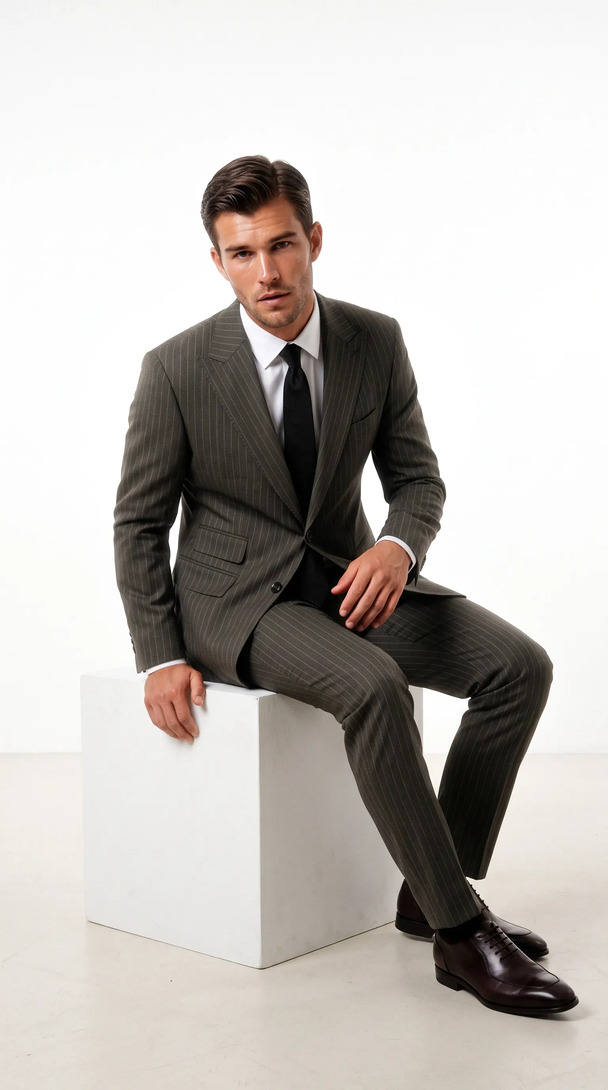
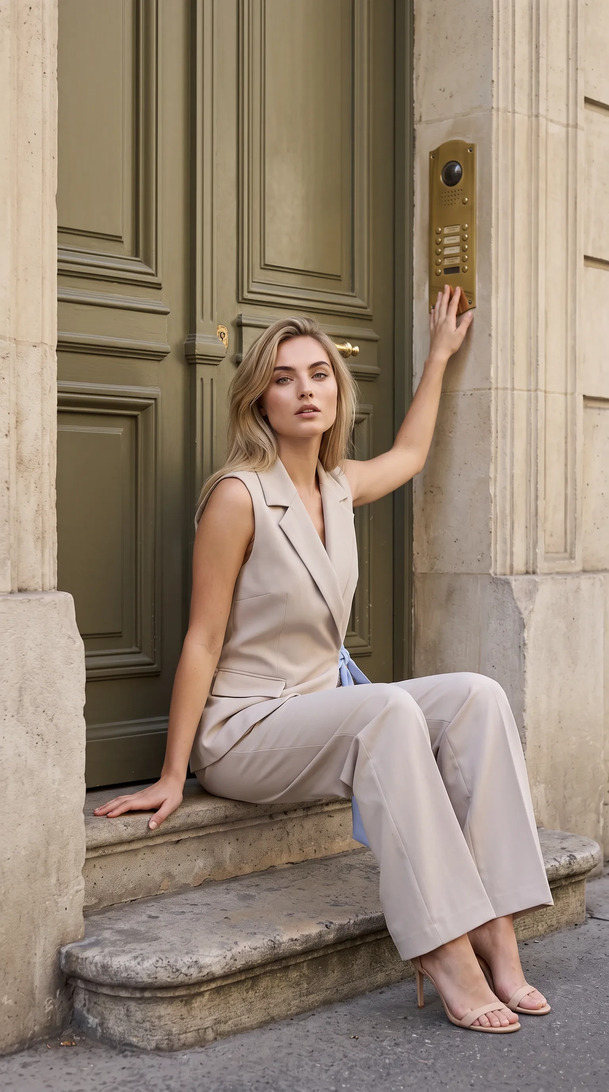
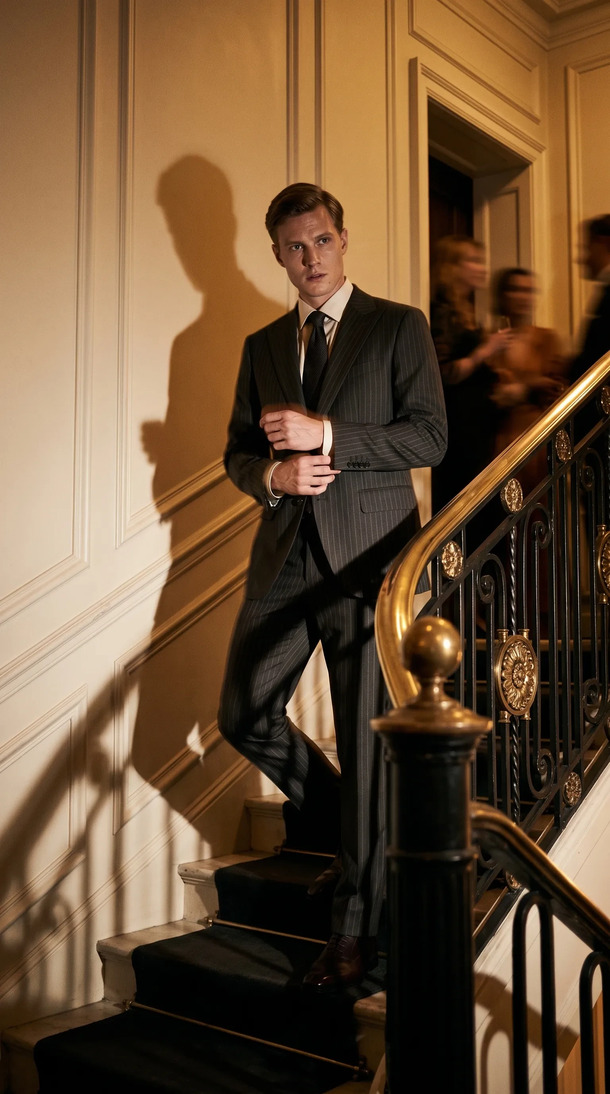
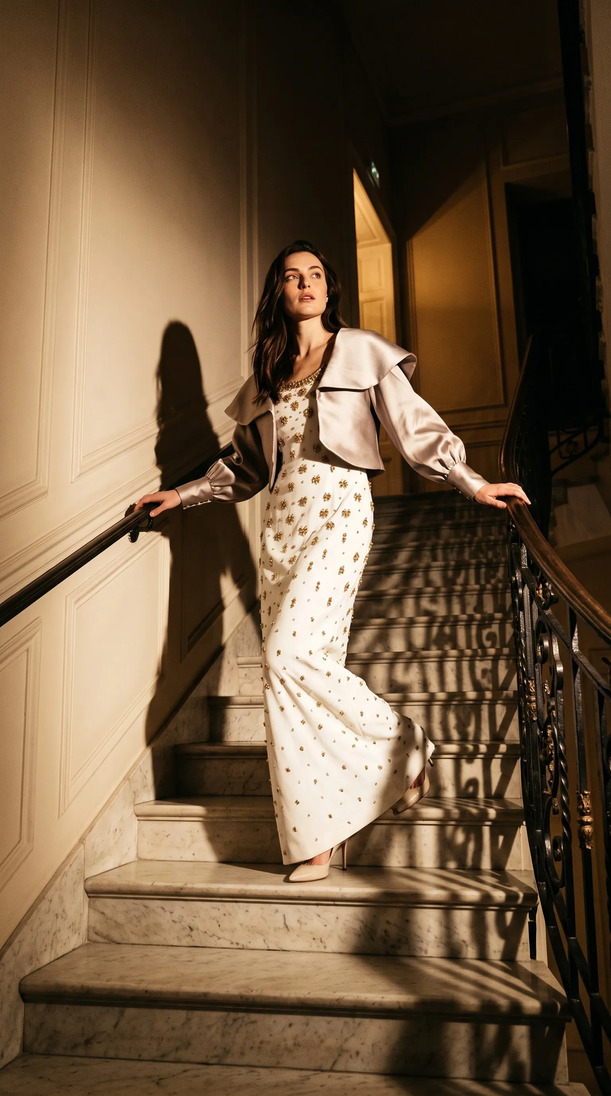
- AI photography platforms generate studio-grade on-model imagery from flat lays in seconds, at roughly 1/3 the cost of traditional production.
- On-model images convert 20-30% higher than flat lay for apparel, making the format a revenue lever, not just a nice-to-have.
- Kayrae locks brand identity (model, lighting, palette) across every drop so your catalog always looks like it came from the same shoot.
Your Photography Is Already Costing You Sales
You know your images are the problem. The cart adds look decent, but the abandonment rate tells a different story. Shoppers can't feel the fabric, so they need to see it worn.
When your on-model content is thin, inconsistent, or months behind your actual inventory, you lose the sale to whoever looks better. 93% of online shoppers say product photos influence their purchase decision, and in apparel, that influence is decisive.
In fashion ecommerce, consistent, studio-grade on-model imagery is not a nice-to-have. It is a conversion lever, a returns reducer, and a trust signal. Brands that nail it ship entire catalogs with a single visual language. Brands that don't are always playing catch-up, one shoot day behind their own collection calendar.
So the question is not whether you need better photography. It is which production path gets you there without destroying your margin.
Option 1: In-House Studio
Building your own studio sounds like the cost-efficient play. You buy the equipment once, hire a photographer and stylist, and produce on demand.
The reality: a competent in-house setup (camera body, lenses, lighting rigs, seamless backdrops, a model budget, and a post-production workflow) runs anywhere from $40,000 to $120,000 in year one. You also absorb ongoing costs: model fees, retoucher time, and props.
The single biggest hidden cost is scheduling. A shoot day that only covers 40 SKUs is common. A catalog of 400 SKUs means ten shoot days, ten sets of coordination, ten chances for delays, and ten invoices.
In-house works for brands doing high volumes of a consistent product type with predictable cadences. For everyone else, it is overhead masquerading as savings.
Option 2: Photography Agency
Agencies give you professional output and zero equipment overhead. You hand over the brief and get back edited images. That sounds clean until you look at the lead time: most fashion photography agencies book two to six weeks out. Rush fees are real. Reshoots for missed brief details cost both money and time.
Agency pricing for on-model fashion photography typically runs $300 to $800 per look, all-in, once you factor in model fees, styling, set, and retouching. For a 200-SKU seasonal drop, that is a significant five-figure spend, delivered on the agency's schedule, not yours.
Agencies are the right call for campaign hero images and brand film. For catalog and channel-ready product photography across a full drop, the math rarely works.
5 Hidden Costs of Studio Photography
Whether you run in-house or commission an agency, these costs show up on every production cycle:
- Model availability windows. Models book weeks in advance. If your sample delivery slips or your brief changes, you either reschedule and pay a cancellation fee or shoot against a brief that no longer fits your collection.
- Styling and prop fees. A stylist is a half-day minimum. Props sourced for a shoot are often one-use items. These costs appear on every invoice and are rarely itemized clearly until after the shoot.
- Reshoots for brief changes. A color that looked right in the reference came back wrong on the model. A sleeve length reads shorter than the spec. Reshoots are billed at session rate regardless of how minor the correction.
- Post-production retouching per image. Every image in a professional shoot requires retouching: skin, background, garment cleanup. At $15 to $45 per SKU from an outsourced retoucher, a 200-SKU catalog costs $3,000 to $9,000 in post alone.
- Scheduling lag vs your drop calendar. A six-week agency lead time means your shoot must begin before your samples are finalized. Collections evolve. The gap between brief and delivery is where creative decisions go stale.
Generate your first on-model image today. Plans start at $19/mo. View pricing
Option 3: AI Platform in 2026
This is where the production equation changed.
AI on-model photography platforms let you upload a flat lay or packshot and receive studio-grade on-model imagery in seconds, without a shoot day, a model booking, or a lighting rig. The generation is not a filter on top of your image. The AI understands the garment, places it on a selected model, and renders the result at production resolution.
Kayrae is purpose-built for this: flat lay in, on-model out, no shoot day. With 140+ AI models covering diverse body types, poses, and skin tones, and a brand kit that locks your palette, typography, and shoot history across every drop, you get catalog-ready imagery that looks like it came from the same studio session, every time.
The speed difference is not incremental. AI generation runs 40x faster than a studio shoot. The cost difference is not incremental either: AI platforms come in at roughly 1/3 the cost of traditional product photography. And because generation runs 24/7, you are not waiting for a booking window. Shoot at midnight if that is when your SKU list is ready.
On-model images convert 20-30% higher than flat lay for apparel. AI generation puts that conversion premium within reach at any catalog size.
Side-by-Side Comparison
| In-House Studio | Agency | AI Platform (Kayrae) | |
|---|---|---|---|
| Cost per look | $80-200 (amortized) | $300-800 | Fraction of agency rates |
| Speed | Days to weeks | 2-6 week lead time | Seconds to minutes |
| Consistency | Varies by team | Brief-dependent | Brand kit locked |
| Model diversity | Limited by budget | Limited by budget | 140+ AI models |
| Scalability | Capped by shoot days | Capped by agency capacity | Unlimited, 24/7 |
| On-demand edits | Reshoot or retouch | Reshoot or surcharge | One line: "remove the necklace", 2 seconds |
| Video output | Separate production | Separate production | Stills into 5-15s social videos |
| Channel exports | Manual resize | Manual resize | Auto-export: Trendyol, Shopify, Meta, TikTok, IG |
How to Choose
The right path depends on three variables: catalog size, production cadence, and how tightly consistency matters to your brand.
If you are shooting fewer than 50 SKUs per year and you have campaign-level budget to match, an agency makes sense for hero creative. If you are running a growing DTC or marketplace brand with drops coming every few weeks and a catalog measured in hundreds of SKUs, the studio and agency models will always lag behind you.
AI platforms are the production infrastructure for brands that need to move at the speed of their inventory. Kayrae's canvas workflow keeps your brand identity locked across every drop: same models, same lighting logic, same visual language, whether you are generating five looks or five hundred.
Pricing starts at Starter $19/mo. The Pro plan from $43/mo is the most picked tier for growing brands. Studio starts from $80/mo for teams with higher volume, and Enterprise is custom for multi-brand operations. See full pricing.
Orchard & Co. replaced a three-person content team and a studio day. Kingbrich cut imagery costs by 70% while upgrading to ultra-realistic on-model shots. Norda Tekstil ships an entire catalog in a day, with every model looking real.
Across the platform, brands have generated 48,000+ on-model images to date, with average delivery in roughly 30 seconds per garment.
Sources
- On-model imagery converts 20-30% higher than flat lay (Pixelphant, 2024)
- 93% of shoppers say photos influence purchase decisions (Narvar)
About Kayrae
Kayrae is an AI on-model product photography and video platform for fashion and e-commerce brands. The platform generates studio-grade on-model imagery from flat lay uploads in seconds, with 140+ AI models, brand kit consistency, identity lock, video generation (5-15s social clips), and auto-export for Shopify, Trendyol, Meta, TikTok, and Instagram.
- Platform: kayrae.ai
- Product: kayrae.ai/products
- Pricing: kayrae.ai/pricing (Starter $19/mo, Pro from $43/mo, Studio from $80/mo, Enterprise custom)
- Founder: Can Bayrak
FAQ
How much does ecommerce photography cost in 2026? In-house studio setups run $40,000+ to build and maintain. Agencies typically charge $300 to $800 per look for on-model fashion photography. AI platforms like Kayrae bring the cost down to roughly 1/3 of traditional photography, with plans starting at $19/month, making catalog-scale on-model imagery accessible to brands at any size.
What is the difference between flat lay and on-model ecommerce photography? Flat lay photography arranges the garment on a flat surface, styled but not worn. On-model photography shows the garment on a human (or AI-generated model), conveying fit, drape, and styling in context. On-model images typically convert better because shoppers can visualize themselves wearing the product. AI platforms now convert flat lays directly into on-model shots without a separate shoot.
How do I maintain consistent ecommerce photography across my whole catalog? Consistency comes from locked brand rules: same model selection, same lighting direction, same backdrop logic, same export specs. In a traditional workflow, this requires a tight brief and a trusted agency or in-house team. With an AI platform like Kayrae, consistency is enforced by the brand kit: your palette, type, shoot history, and model selections travel with every generation automatically.
Is AI product photography good enough for major ecommerce platforms? Yes. Current AI on-model photography, particularly from purpose-built fashion platforms, produces studio-grade imagery that meets the technical and visual standards of Shopify, Amazon, Trendyol, Zalando, and social commerce channels. Kayrae auto-exports every standard ratio (1:1, 9:16, 16:9) formatted for each platform, ready to upload without additional post-production.
Book a demo and see your own product on a studio-grade AI model in under a minute: kayrae.ai
Can Bayrak, Founder, Kayrae.ai