Apparel Photography: A Practical Guide for Brands
See also: Ecommerce photography in 2026
Apparel photography is the production of commercial images of clothing and accessories for retail, wholesale, and e-commerce channels. For brands, it encompasses garment preparation, model selection, technical spec compliance for major retailers, and consistency across a full collection. Unlike general product photography, apparel photography must convey fit, drape, color accuracy, and styling context simultaneously, making it one of the most technically and logistically demanding categories in e-commerce content production.
TL;DR: Apparel Photography
- Apparel photography has stricter technical requirements than any other product category, and major retailers enforce them actively.
- Garment prep (steaming, sizing, closures) is the most overlooked step and the most common reason shoots need reshoot days.
- 93% of shoppers say product photos influence their purchase decision, making image quality a direct revenue lever.
- On-model is the required or strongly preferred format on Zalando, Trendyol, and Amazon for most apparel categories.
- AI on-model photography matches traditional quality at roughly one-third the cost, with no shoot-day coordination required.
Why Apparel Photography Requirements Differ from Generic Product Photography
A phone case can be photographed on a surface and still communicate everything a buyer needs to know. A dress cannot. Apparel has properties that only show up on a body or a form: shoulder fit, waist suppression, length relative to height, how a hem falls, whether a sleeve bunches. Buyers who cannot evaluate these properties return the product.
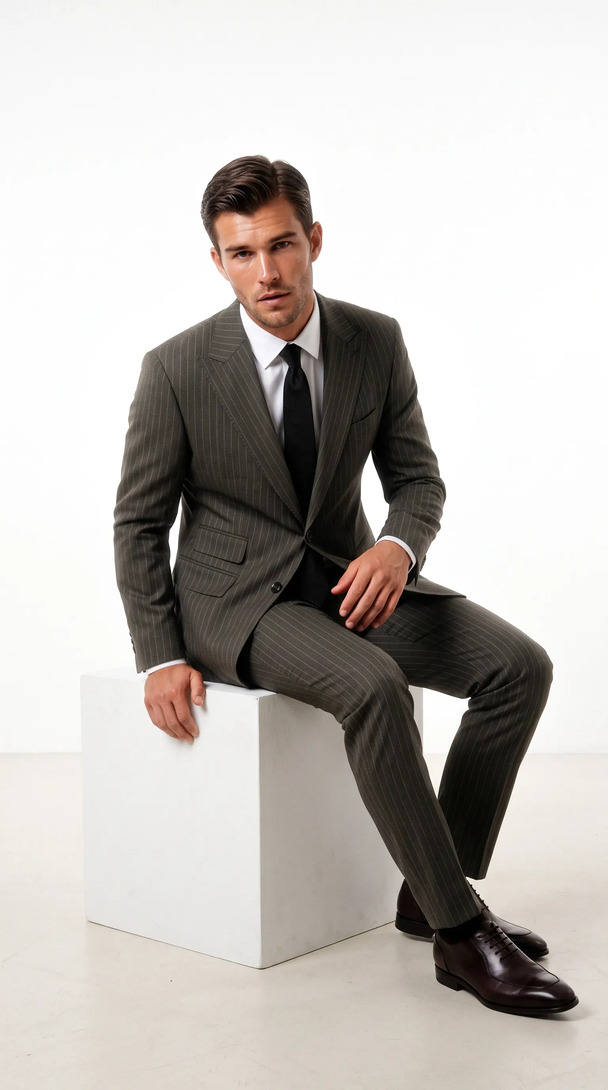
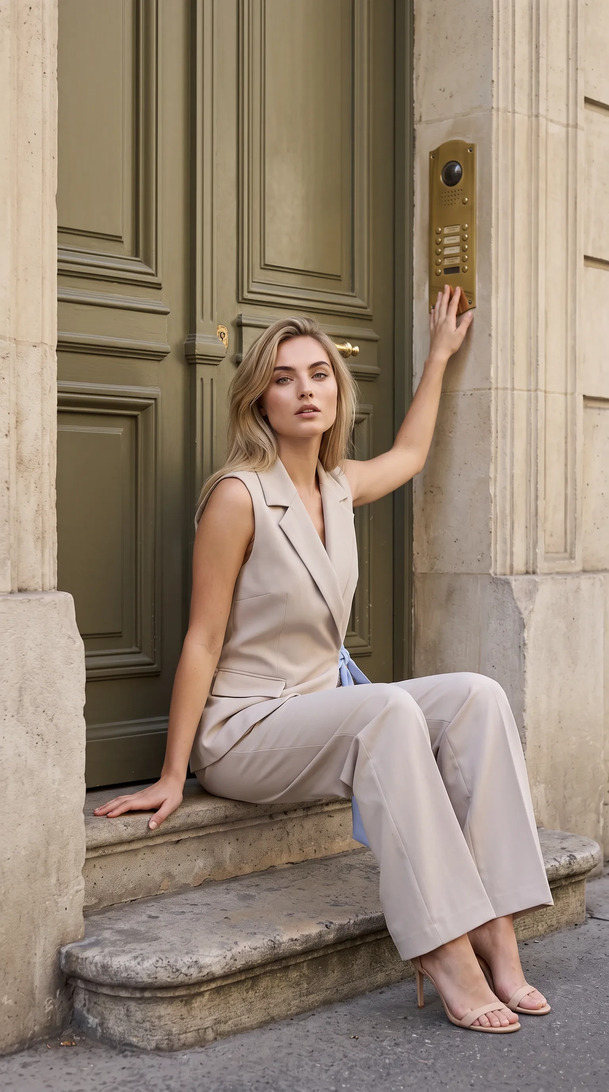
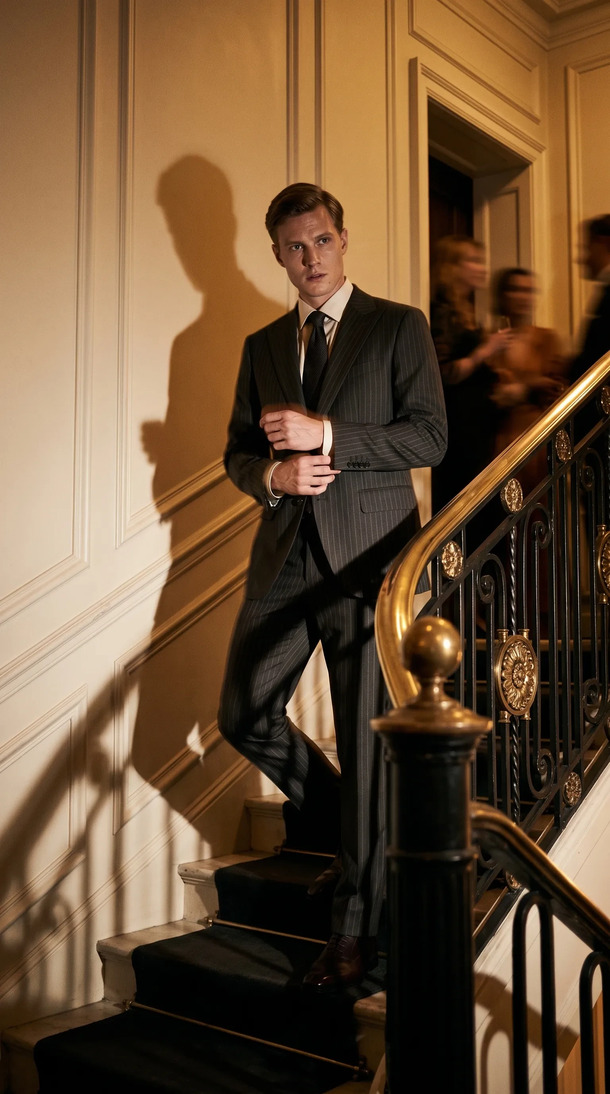
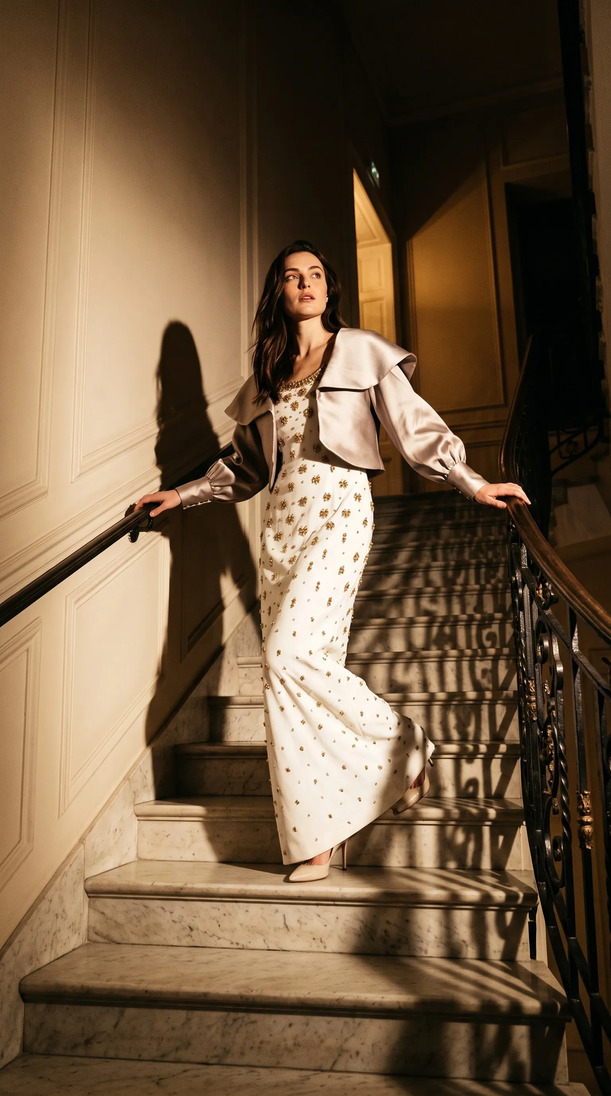
The retailers that see the most returns built their image specs around reducing that uncertainty. On-model imagery is standard for most apparel categories on Zalando and Trendyol. Amazon's style guides recommend on-model for any garment where fit is a purchase consideration. Shopify stores that use on-model imagery consistently outperform those that use ghost mannequin or flat lay as their primary format.
This is not aesthetic preference. It is conversion data built into editorial policy.
Preparing Garments for a Shoot
Poor garment prep is the most common reason apparel photography fails before the camera is ever picked up. Samples arrive from the factory with fold creases, size pins still in place, and sizing tape on the interior. All of that has to be addressed before shoot day.
Steaming and Sizing
Every garment needs to be steamed, not ironed. Ironing can leave sheen on synthetics, alter the hand of knits, and flatten intentional texture. Steaming relaxes fabric without contact. Budget 10 to 15 minutes per piece and do it the day of the shoot, not the night before.
If you are shooting on a model, the sample needs to match the model's size or fit within one size with strategic clipping (garment clips on the back, invisible in the final image). Ill-fitting samples produce misleading imagery and contribute to returns.
Hardware and Styling Consistency
All buttons should be buttoned, zippers closed, hoods unfolded, drawstrings even. These are the details that separate professional apparel photography from content that looks rushed.
If you style with a belt or tuck a shirt, apply that consistently across all shots in that style category. Mixed styling across a product grid looks disorganized and signals to buyers that the brand is not detail-oriented.
Model vs No-Model vs AI: The Decision Framework
No-model (flat lay or ghost mannequin) works for accessories, folded basics, and products where the primary purchase driver is print or pattern rather than fit. It is cheaper to produce but produces lower conversion rates for any garment where cut and fit matter.
Traditional on-model delivers the highest conversion for fitted apparel, especially dresses, tailoring, and knitwear. It is also the most expensive option: a model at market rates, a photographer, a studio, a stylist, and post-production editing stack to a significant day rate. For a 40-piece collection, a shoot day often runs into the thousands before digital delivery.
AI on-model sits between these options in cost but matches or exceeds traditional on-model quality for most apparel categories. You upload a flat lay or packshot. The AI places the garment on a model, handles lighting consistency, and outputs images at retailer spec. For brands running more than one collection per quarter, the economics shift decisively toward AI.
The decision framework is simple: if fit is a purchase driver and your budget does not support recurring shoot days, AI on-model is the practical answer.
Generate your first on-model image today. Plans start at $19/mo. View pricing
Retailer Spec Requirements: The Basics
Different retailers enforce different technical requirements. Here are the most relevant for brands expanding into major channels.
Trendyol: White or very light grey background. Minimum 1200x1800px. On-model or ghost mannequin required for most apparel categories. No watermarks, no borders, no promotional text in the image.
Shopify: No enforced spec at platform level, but best practice is 2048x2048px minimum for zoom functionality. Consistent background across your product catalog. Multiple angles expected (front, back, detail).
Amazon: Primary image requires a pure white background (RGB 255,255,255) with the product filling at least 85% of the frame. For apparel, on-model or ghost mannequin is required for main images. Secondary images allow lifestyle context.
Zalando: On-model required for all clothing categories. White or off-white background. Model must face the camera front-on for the hero shot. Specific ratio requirements (usually 3:4) depending on upload type.
Meeting these specs across a full catalog while maintaining visual consistency is where most brands hit operational friction.
How AI On-Model Photography Solves the Spec and Cost Problem
Kayrae was built to resolve both constraints at once. Upload your flat lay or packshot, and Kayrae places it on a studio-grade AI model, adjusts for garment drape and fit, and outputs at every ratio required by your retail channels. Trendyol, Shopify, Meta, TikTok, Instagram: all auto-exported in one workflow.
The platform maintains brand kit consistency: same model identity across scenes (identity lock), same color palette, same visual tone across every SKU in your catalog. Orchard & Co. described replacing a three-person content team and a full studio day with Kayrae. Kingbrich cut imagery costs by 70%.
Across the platform, brands have generated 48,000+ on-model images to date, with average delivery in roughly 30 seconds per garment.
Kayrae operates at 1/3 the cost of traditional product photography and is 40x faster than a studio shoot. With 140+ AI models spanning body types, poses, and skin tones, you can match the diversity your brand requires without casting, booking, or scheduling.
Pricing: Starter at $19/month, Pro from $43/month (the most popular plan for brand teams), Studio from $80/month for high-volume catalog work, and Enterprise pricing for agencies and multi-brand retailers. See full pricing.
Sources
About Kayrae
Kayrae is an AI on-model product photography and video platform for fashion and e-commerce brands. The platform generates studio-grade on-model imagery from flat lay uploads in seconds, with 140+ AI models, brand kit consistency, identity lock, video generation (5-15s social clips), and auto-export for Shopify, Trendyol, Meta, TikTok, and Instagram.
- Platform: kayrae.ai
- Product: kayrae.ai/products
- Pricing: kayrae.ai/pricing (Starter $19/mo, Pro from $43/mo, Studio from $80/mo, Enterprise custom)
- Founder: Can Bayrak
FAQ
What resolution do apparel photos need to be for major retailers? Most major retailers require a minimum of 1200px on the shortest side, with 2000px or above preferred for zoom functionality. Amazon requires the primary image to be at least 1000px on the longest side, and Trendyol specifies 1200x1800px as the minimum. Always check each retailer's current style guide before producing catalog imagery, as specs are updated regularly.
Should I use on-model or flat lay for apparel photography? On-model is the higher-converting format for any garment where fit matters: dresses, tailoring, fitted tops, trousers. Flat lay works well for accessories, print-focused items, and knitwear shown folded. For marketplace listings, most major retailers (Zalando, Trendyol) require or strongly prefer on-model imagery for clothing categories.
How do I keep lighting consistent across a large apparel catalog? Set your lights once and do not move them. Use a fixed aperture, ISO, and shutter speed combination and document it. Shoot all pieces in the same session when possible. If you are shooting across multiple days, photograph a reference "control" garment at the start of each session and match your exposure to it in post.
Can AI apparel photography pass retailer quality checks? Yes. Kayrae produces retailer-spec imagery that meets the technical requirements of Trendyol, Amazon, Shopify, and Zalando. The output is studio-grade: white background, correct proportions, appropriate model presentation, and auto-exported at the required ratios. Brands using Kayrae have shipped full catalogs that clear quality checks on first submission.
Want to see how Kayrae handles your next apparel catalog? Book a demo and get studio-quality on-model imagery without the shoot day.
Can Bayrak, Founder, Kayrae.ai