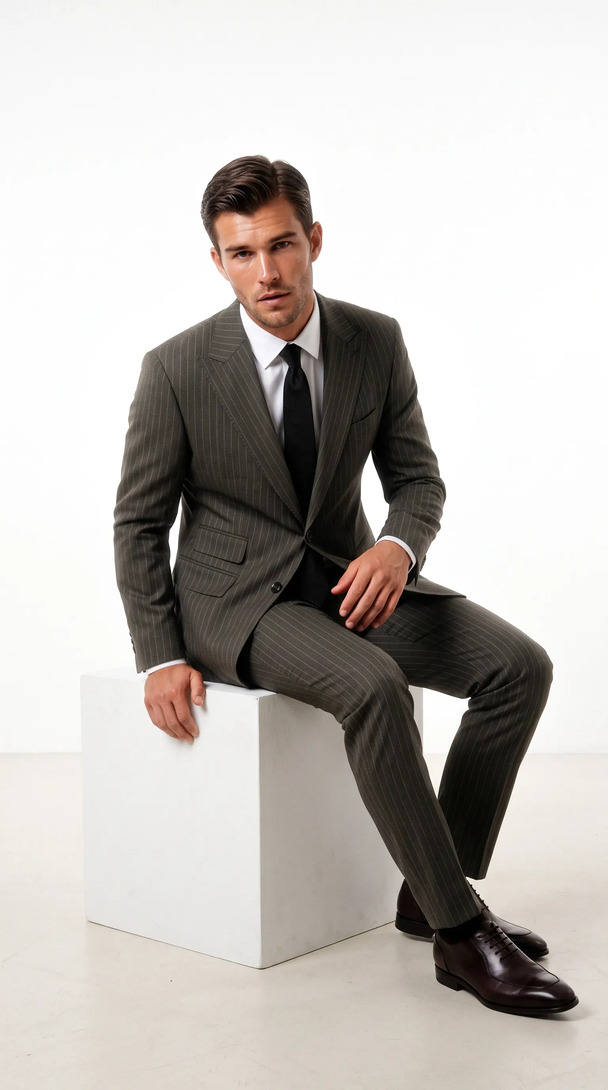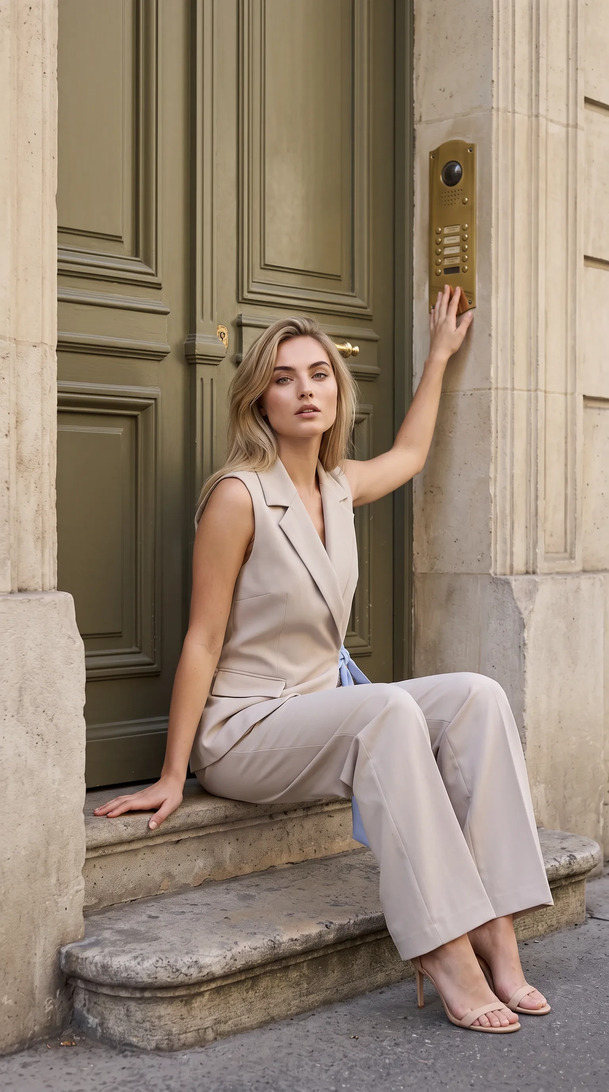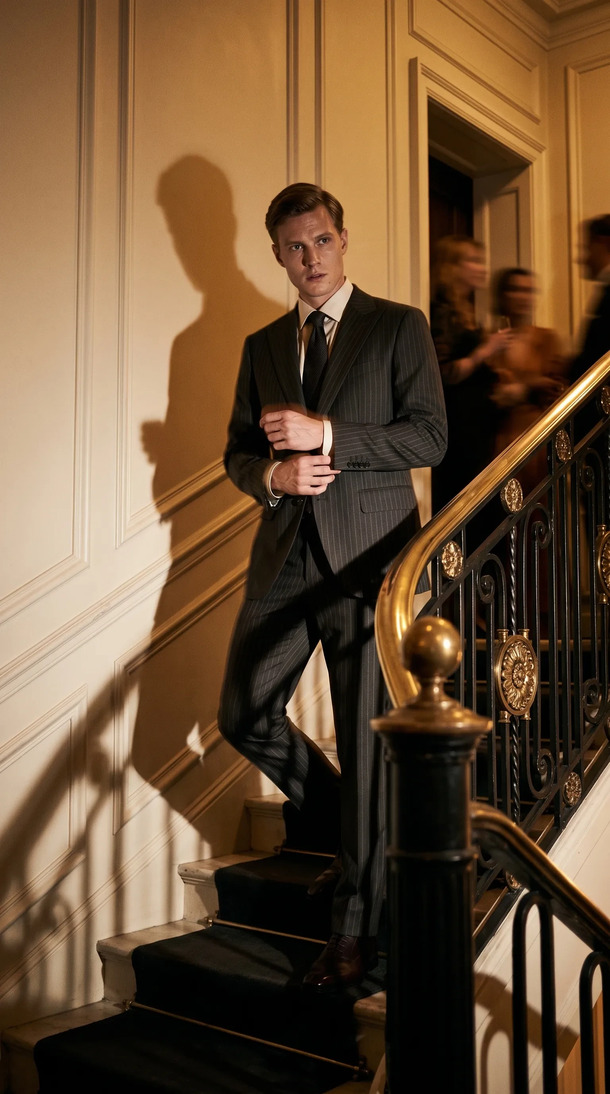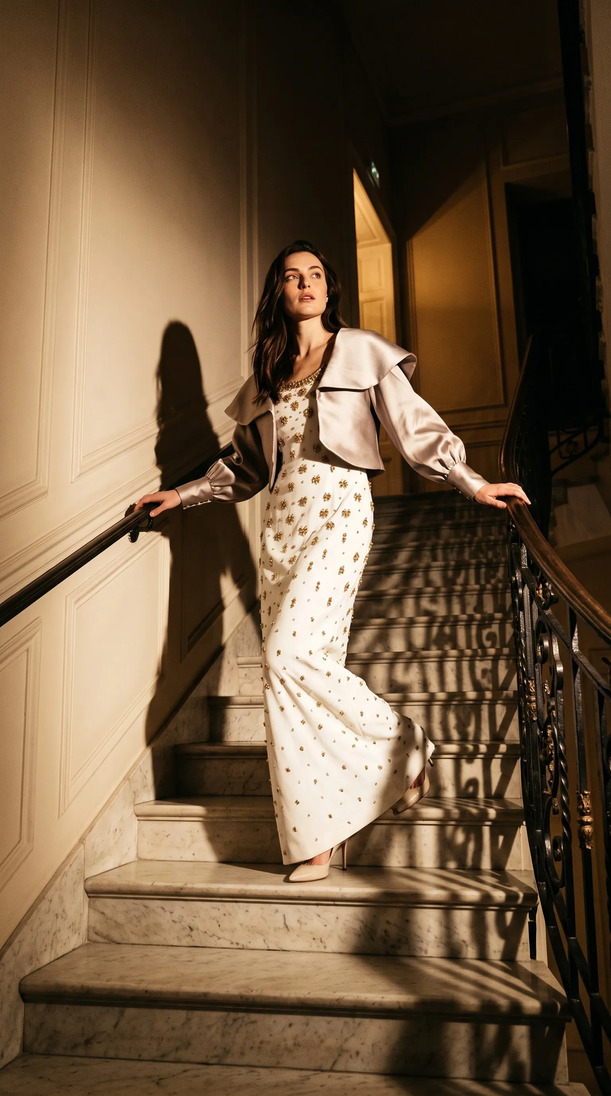
Best AI Fashion Model Generators (Free and Paid) in 2026
See also: AI fashion model generator: on-model imagery from a flat lay
TL;DR: Best AI Fashion Model Generator
- AI fashion model generators vary widely in model diversity, brand consistency, and output readiness.
- The key evaluation criteria: model library size, identity lock across a catalog, brand kit integration, output format, and pricing.
- Free tools are useful for testing but not reliable enough for customer-facing production imagery.
- 95.6% of top fashion brands already use on-model photography, so the format is the standard, not a differentiator.
- Kayrae is the strongest option for catalog-scale production with brand kit lock and identity consistency built in.
What to Look for in an AI Fashion Model Generator
Not all AI fashion model generators solve the same problem. Before comparing tools, know what matters for your use case.
- Model diversity determines whether you can represent your actual customer. Narrow libraries (fewer than twenty distinct models) force homogeneity. Look for breadth across body type, skin tone, age, and pose.
- Brand consistency is the production-scale problem. Generating one good image is easy. Keeping the same model face, lighting logic, and brand palette consistent across 200 SKUs is where most tools break down.
- Input flexibility matters if your workflow produces flat lays, mannequin shots, or packshots rather than pre-styled samples.
- Output readiness means the files come out at the right ratio and resolution for your actual platforms, not just a generic JPG you have to manually crop.
- Pricing and rights determine whether the tool scales without destroying your margin, and whether you own the output without IP complications.
With those criteria in mind, here's an honest look at the leading options in 2026.
The Tools
1. Kayrae: Best for Brand Consistency, Identity Lock, and Canvas Workflow
Kayrae is the most complete system for brands that need on-model imagery at catalog scale. The core value is not just generation quality but the infrastructure around it: a persistent canvas workflow, brand kit lock, and identity consistency that keeps the same model across every image in a collection.
Kayrae 140+ AI models span a wider diversity range than any other tool in this list: body types, poses, skin tones, and heights. The brand kit system locks your palette, typography, shoot history, and product references at the account level, so every generated image is automatically on-brand without per-image art direction.
The identity lock feature is the differentiator for lookbook and editorial production. The same model face and body carries through every scene. No patchwork of similar-looking but inconsistent faces across a drop.
Kayrae generates studio-grade on-model imagery 40x faster than a traditional shoot. Beyond stills: Kayrae generates 5 to 15 second social videos from the same input. Auto-export handles every ratio (1:1, 9:16, 16:9) for Trendyol, Shopify, Meta, TikTok, and Instagram. Canvas edits are one-line prompts: "remove the necklace," "change the background to sand," done in two seconds.
Data privacy is separate by design: only your brand's models see your kit. No pooled training on your proprietary designs.
Pricing: Starter $19/mo, Pro from $43/mo (most picked), Studio from $80/mo, Enterprise custom. See full pricing.
Best for: Brands producing content at catalog scale who need consistent, on-brand imagery across every drop.
2. Uwear: Best for Enterprise Production Infrastructure
Uwear is probably the closest overall competitor to Kayrae. It covers flat-lay-to-model, consistent model identities, batch catalog production, video, API access, automated QA, and shopper virtual try-on. The platform positions itself as an enterprise visual-production operating system for fashion.
Where Uwear differs from Kayrae is in creative workflow: Uwear leans heavier on automation and QA pipelines, while Kayrae centers on the director-style canvas and brand-memory system. Both produce catalog-quality output. The choice often comes down to whether your team values creative control (Kayrae) or end-to-end automation (Uwear). The trade-off with Uwear is weight: the enterprise, automation-first setup means heavier onboarding and less hands-on creative control per image, and its brand memory is partial rather than a full brand kit.
Best for: Enterprise fashion teams that prioritize automated production pipelines and integrated virtual try-on.
3. Modelia: Best for Multi-Step Creative Workflows
Modelia is one of the closest competitors in overall creative feature breadth. It covers flat-lay-to-model, mannequin-to-model, model swap, consistent characters, pose control, full outfit construction, accessories, video generation, and multi-step creative workflows.
The platform has strong generation quality and broad feature coverage. Where it differs from Kayrae is in brand-memory infrastructure and canvas persistence. Modelia handles individual creative tasks well; Kayrae connects them into a persistent brand session.
Best for: Brands that need broad creative workflow coverage across model generation, outfit building, and video.
4. WearView: Best for Self-Service Full-Suite
WearView is an aggressive full-suite competitor covering on-model photos, consistent models, pose control, virtual try-on, ghost mannequin, product-to-model, and fashion video. It positions itself as a self-service platform with broad overlap across Kayrae's feature set.
The platform is newer but moving fast. That newness is the trade-off: it is less proven at catalog scale than established tools, its brand kit is partial, and it offers no API for automated pipelines. Worth evaluating if you want a single self-service tool that covers on-model generation, try-on, and video without enterprise sales cycles.
Best for: Brands looking for a self-service platform that covers model imagery, try-on, and video in one tool.
5. Rawshot: Best for Creative Direction Controls
Rawshot positions itself with more advanced controls around camera angle, pose, lighting, reusable models, scene construction, and multi-product outfits. It also offers video, API access, and bulk production. The creative-direction positioning is its differentiator.
If your workflow demands granular control over every aspect of the shot (specific camera angles, lighting setups, scene composition), Rawshot gives you more dials to turn. For brands that want consistent output with minimal creative direction per image, Kayrae's brand kit approach is more efficient.
Best for: Brands and studios that want detailed camera, pose, and lighting control over every generated image.
6. Botika: Best for Shopify Sellers
Botika has established market recognition and strong e-commerce positioning with a native Shopify integration. It covers flat-lay-to-model, mannequin-to-model, model and background replacement, catalog production, and fashion video.
Where Botika shows its limits is at scale and consistency. The brand kit concept is thin; you can't lock a specific model identity across a full catalog. If you're generating twenty or more images, the visual consistency of the output depends on careful manual selection each time. This shows up in reviews too: Botika sits at 3.4/5 on Trustpilot from 23 reviews (checked 6 October 2026), with recurring complaints about credits spent on unusable images and billing that is hard to cancel.
Best for: Shopify sellers who want quick on-model generation with platform integration.
7. SellerPic: Best for Social Ad Generation
SellerPic covers AI fashion models, model swap, virtual try-on, product visuals, social-ad generation, and video. It's particularly focused on Shopify sellers and social-commerce workflows.
The social-ad generation angle is what sets SellerPic apart from pure on-model tools. If your primary workflow is product photo to social ad (not just catalog imagery), SellerPic combines both steps. The trade-off is less depth in brand consistency and catalog-scale infrastructure.
Best for: Sellers who need both product imagery and social ad creatives from one platform.
8. FASHN.ai: Best for API and Developer Integration
FASHN is a fashion-native API and studio covering virtual try-on, product-to-model, model creation, model swap, editing, reframing, and fashion image-to-video. It's one of the strongest infrastructure-level platforms in this space.
FASHN is relevant both as a direct product competitor and as an underlying technology provider for other applications. If you're building fashion AI features into your own product or platform, FASHN's API is worth evaluating alongside Kayrae's Enterprise API. The trade-off is that FASHN is a building block, not a finished production tool: there is no brand kit, no identity lock across a catalog, and no persistent canvas, so your team assembles the production workflow around the API itself. Reviewers also cite subscription-cancellation friction and note native output often needs an upscale pass for marketplace listings (Trustpilot).
Best for: Developers and platforms building fashion AI features into their own products.
9. Picjam: Best for Batch Processing with Custom Models
Picjam focuses on catalog-scale on-model photography with custom consistent models, BrandDNA (brand consistency), batch processing, API access, virtual try-on, and full lookbooks. The positioning is close to Kayrae's on batch production and brand consistency.
The custom model creation feature is strong. If creating a fully custom AI model (not selecting from a library) is critical to your brand, Picjam's approach is worth comparing to Kayrae's 140+ model library with identity lock. The trade-offs are no video generation and a workflow centered on the Shopify app rather than a persistent, director-style canvas, so cross-drop editing is thinner.
Best for: Brands that want fully custom AI models and batch catalog production.
10. BetterStudio: Best for Consent-Based Digital Twins
BetterStudio differentiates through a marketplace of consent-based digital twins of real models. This is a unique angle: the AI models are based on real people who have opted in and receive compensation, addressing the ethical concerns around AI-generated imagery.
The enterprise production workflows are solid. If model consent and ethical AI representation are primary concerns for your brand (particularly relevant for larger retailers with CSR requirements), BetterStudio is the only platform in this list addressing that specifically. The trade-off is reach and flexibility: the consent-twin marketplace is narrower and typically pricier per image, with no persistent canvas or identity lock across a full catalog and no video generation.
Best for: Enterprise brands that need consent-based, ethically sourced AI model imagery.
11. FlixStock: Best for Managed Enterprise Production
FlixStock (MetaModels) is an enterprise catalog-imagery service combining AI generation with human review. The output goes through a quality-control process before delivery, which is rare in this space. It's a managed production service rather than a self-service tool.
If your team doesn't want to operate the AI tool directly and prefers to hand off production to a service with human QA, FlixStock is the enterprise option. The trade-off is higher cost and longer turnaround compared to self-service platforms like Kayrae.
Best for: Enterprise retailers that want managed, human-reviewed AI catalog production.
12. Lalaland.ai: Best for Diversity-First Representation
Lalaland positions itself as a diversity-forward AI model platform, generating fashion models across a broad spectrum of body sizes, skin tones, and age ranges. The enterprise positioning focuses on digital twins and model diversity.
Output quality is solid for mid-market e-commerce. Where it falls short compared to Kayrae is in brand consistency infrastructure: there's no persistent canvas, no identity lock across a catalog, and no video generation. Each image is generated independently.
Best for: Enterprise brands prioritizing model diversity and digital-twin use cases.
13. VModel: Best for Face-Swap Use Cases
VModel is primarily a face-swap and headshot tool, now also associated with broader AI model and API access. It excels at replacing faces in existing photography rather than generating full on-model product imagery from a flat lay.
For flat-lay-to-on-model generation, VModel is not the right tool. It requires existing on-model photography as input. To be fair, within its lane it is genuinely strong: for swapping faces or refreshing models on photography you already have, VModel is fast and high quality.
Best for: Face-swap and headshot editing on existing photography.
Notable Mentions
- Veeton: AI fashion shoots, video, Shopify sync, batch production, and automated quality detection.
- WeShop AI: Virtual try-on, AI fashion models, pose changes, product imagery, image-to-video, and APIs.
- On-Model (on-model.com): Flat-lay-to-model, model swap, persistent model identities, lookbooks, and REST API.
- Hautech AI: Virtual try-on, digital twins, model swap, product photography, brand videos, and UGC videos.
- Vmake / X-Design: Flat-lay-to-model generation, model replacement, custom models, and fashion-model APIs.
- GridShot: Fashion photography with product importing, virtual try-on variations, and AI result scoring.
- MODERA.FASHION: Flat-lay-to-model generation, virtual try-on, and fashion video.
- Moda Content: AI fashion-product studio focused on e-commerce brands.
- Photoroom: Background removal, product photography, batch editing, and commerce tools (not fashion-specific).
- ZMO.ai: General AI imagery platform with fashion-model and e-commerce workflows.
14. General-Purpose AI Tools: ChatGPT, Claude, Midjourney, Stable Diffusion
General-purpose AI tools can generate fashion imagery, but they are not product photography tools. The distinction matters.
ChatGPT (DALL-E): Can generate fashion model images from text prompts. The output looks like illustration or stock photography, not catalog imagery. You cannot upload YOUR garment and get it rendered on a model. It generates imaginary clothing, not your actual product.
Claude: Does not generate images. Useful for writing product copy, briefs, and creative direction, but not a visual generation tool.
Midjourney: Produces high-quality fashion imagery and editorial-style visuals. Like DALL-E, it generates from prompts, not from your product flat lay. The output is beautiful but fictional: it's not your garment. Useful for mood boards and art direction references, not for product pages.
Stable Diffusion (with fashion LoRAs): Open-source, technically free, and highly customizable. Requires significant technical setup. With the right fine-tuning, it can produce reasonable on-model results, but lacks brand kit infrastructure, identity consistency, and production-ready export formats. Every image is a manual effort.
The consistent limitation across all general-purpose tools:
- They generate imaginary garments, not YOUR product
- No brand kit or identity lock
- No flat-lay-to-on-model pipeline
- No auto-export for retail channels
- Inconsistent output quality across generations
- Output rights vary (check each tool's terms)
Best for: Mood boards, concept exploration, and creative direction. Not for production product imagery.
Comparison Table
| Tool | Flat-lay-to-model | Brand kit | Identity lock | Video | Virtual try-on | API | Best for |
|---|---|---|---|---|---|---|---|
| Kayrae | Yes | Yes (full) | Yes | Yes | Yes | Enterprise | Catalog-scale brand consistency |
| Uwear | Yes | Partial | Yes | Yes | Yes | Yes | Enterprise production automation |
| Modelia | Yes | Partial | Yes | Yes | No | Yes | Multi-step creative workflows |
| WearView | Yes | Partial | Yes | Yes | Yes | No | Self-service full-suite |
| Rawshot | Yes | No | Yes | Yes | No | Yes | Creative direction controls |
| Botika | Yes | Minimal | No | Yes | No | No | Shopify sellers |
| SellerPic | Yes | No | No | Yes | Yes | No | Social ad generation |
| FASHN | Yes | No | No | Yes | Yes | Yes | Developer/API integration |
| Picjam | Yes | Yes (BrandDNA) | Yes | No | Yes | Yes | Batch processing, custom models |
| BetterStudio | Yes | No | Yes (digital twins) | No | No | No | Consent-based AI models |
| FlixStock | Yes | No | No | Yes | No | Yes | Managed enterprise production |
| Lalaland.ai | Yes | No | No | No | No | Enterprise | Diversity-first representation |
| VModel | No (face-swap) | No | No | No | No | Yes | Face-swap on existing photos |
Generate your first on-model image today. Plans start at $19/mo. View pricing
Pricing at a glance
Prices checked on each vendor's own pricing page on 6 October 2026. They change often, so confirm on the live page.
| Tool | Starting price | What you get | Free option |
|---|---|---|---|
| Uwear | $17 minimum purchase (170 credits at $0.10 each) | Pay as you go with no subscription; a photo costs from 3 credits; credits never expire | No free tier |
| Modelia | $30/month (Creator, 150 credits, about 50 images) | Atelier $109 and Brand $385 a month; self-serve plans are monthly only | Starter plan with 20 watermarked credits a month |
| WearView | $29/month (Lite, 50 credits), or $24/month billed yearly | Pro $49 and Advanced $99 a month; an HD image costs 2 credits | No free trial |
| Rawshot | $9/month (Starter, 80 tokens, 16 images) | Growth $39, Pro $89 and Business $179 a month; five tokens an image; monthly only | 7-day free trial with 50 tokens |
| SellerPic | $29/month (Starter, 200 credits), or $14.50/month on the yearly plan | Growth $79 and Advanced $99 a month; one image costs 1 credit | Free plan with 20 credits |
| FASHN | $19/month (Basic, 200 credits) | Pro $49 and Agency $99 a month; Basic is $190 a year; most images cost 1 to 3 credits | 10 free credits on sign-up |
| Kayrae | $19/month (Starter) | Pro from $43, Studio from $80, Enterprise custom | No free tier |
Sources: Uwear pricing, Modelia pricing, WearView pricing, Rawshot pricing, SellerPic pricing, FASHN pricing (accessed 6 October 2026).
How to Choose
If you're testing: Start with a free tier or a Kayrae demo to validate that AI on-model meets your brand's realism bar before committing to a monthly tool.
If you're running a catalog at scale: Kayrae is the strongest option for catalog-scale consistency with brand kit infrastructure, identity lock, and auto-export. 95.6% of top fashion brands already use on-model photography, so this isn't an experiment: it's table stakes.
If you need end-to-end production automation: Uwear and FlixStock offer the most automated, enterprise-grade pipelines. Uwear is self-service; FlixStock is managed with human QA.
If creative control matters most: Rawshot gives you the most granular camera, pose, and lighting controls. Kayrae gives you brand-level creative control without per-image direction.
If you're a Shopify seller: Botika has the most established Shopify integration. SellerPic combines product imagery with social ad generation.
If you need an API: FASHN, Rawshot, Picjam, and Kayrae (Enterprise) all offer API access. FASHN is the most developer-focused.
If model ethics and consent matter: BetterStudio is the only platform using consent-based digital twins of real models.
If diversity representation is your top priority: Lalaland.ai leads with inclusive body representation. Kayrae covers both diversity (140+ models) and brand consistency.
If you need virtual try-on for shoppers: Uwear, WearView, SellerPic, FASHN, and Picjam all offer consumer-facing try-on alongside production imagery.
If budget is the primary constraint: Rawshot Starter at $9/month, Photoroom Pro at $7.50/month billed yearly, and the free plans on SellerPic and Modelia (watermarked on Modelia) are the lowest entry points. Botika has no free tier, only an 8-credit trial, and its Pro plan costs $55/month, or $46/month billed yearly (Botika pricing). Expect to outgrow the cheapest options as your catalog expands.
Sources and methodology
Each tool's capabilities were verified against its official website as of August 2026. User-reported issues are cited to third-party review sources (Trustpilot, the Shopify App Store, G2). Comparative assessments are the author's evaluation of those documented features and reviews. Verify current features and pricing on each vendor's site, as they change.
Market statistics
- 95.6% of top fashion brands use on-model photography (Pixelphant, 2024)
Tools referenced (official sources)
- Kayrae, kayrae.ai
- Uwear, uwear.ai
- Modelia, modelia.ai
- WearView, wearview.co
- Rawshot, rawshot.ai
- Botika, botika.com; pricing and Trustpilot reviews, 3.4/5 from 23 reviews (accessed 6 October 2026)
- SellerPic, sellerpic.ai
- FASHN, fashn.ai
- Picjam, Picjam on the Shopify App Store
- BetterStudio, betterstudio.io
- FlixStock, flixstock.com
- Lalaland, lalaland.ai (acquired by Browzwear, 2025)
- VModel, vmodel.ai
Funding and traction (third-party reporting)
- Botika: $11M seed, Seedcamp
- Modelia: $1.2M seed, profitable Year 1, FashionUnited
- BetterStudio / BetterPic: $2.5M raised, ~$3M ARR, Vestbee
- FlixStock: $2.5M, Tracxn
- Lalaland: acquired by Browzwear, July 2025, PitchBook
About Kayrae
Kayrae is an AI on-model product photography and video platform for fashion and e-commerce brands. The platform generates studio-grade on-model imagery from flat lay uploads in seconds, with 140+ AI models, brand kit consistency, identity lock, video generation (5-15s social clips), and auto-export for Shopify, Trendyol, Meta, TikTok, and Instagram.
- Platform: kayrae.ai
- Product: kayrae.ai/products
- Pricing: kayrae.ai/pricing (Starter $19/mo, Pro from $43/mo, Studio from $80/mo, Enterprise custom)
- Founder: Can Bayrak
Orchard & Co. replaced a three-person content team and a studio day. Kingbrich cut imagery costs by 70% while upgrading to ultra-realistic on-model shots. Norda Tekstil ships an entire catalog in a day, with every model looking real.
Across the platform, brands have generated 48,000+ on-model images to date, with average delivery in roughly 30 seconds per garment.
FAQ
What's the cheapest AI model photography for a small clothing brand? Kayrae is not the cheapest. Photoroom Pro costs $7.50 a month billed yearly with AI Fashion Models included, Rawshot Starter $9 a month for 16 images, and Tryly from $9.99 a month billed annually, with 10 free photos (Photoroom pricing, Rawshot pricing, Tryly pricing, checked on 6 October 2026). Kayrae Starter is $19 a month for 40 photos, but unused credits roll over up to twice the allowance and the reviewer agent re-runs failed frames at no extra credits, so the cost per publishable on-model image can be lower.
What's the best AI tool to keep the same model across a whole collection? Kayrae is the best pick for keeping the same model across a whole collection. Batch holds the same model, light and art direction across every SKU, Studio (from $80 a month) adds custom brand models, and the reviewer agent checks each frame for logo drift and seams. Modelia is a strong alternative: its Consistent Character tool lets you design a model once and reuse it across ecommerce and campaigns (checked on 6 October 2026).
Is there a truly free AI fashion model generator? Several tools offer free credits or limited-resolution free tiers. Stable Diffusion with open-source fashion models is technically free but requires technical setup and produces inconsistent results. For production-ready imagery, the free options are useful for evaluation but not reliable enough for customer-facing use.
Which AI fashion model generator has the most diverse models? Kayrae has the largest publicly documented model library at 140 or more distinct AI models, covering a broad range of body types, skin tones, heights, poses, and age representations. Most other tools in this category offer significantly smaller libraries.
Do AI fashion model generators work for all clothing categories? They work best for standard apparel categories: tops, bottoms, outerwear, dresses, and knitwear. Very sheer fabrics, heavily embellished pieces, and footwear are more challenging. Kayrae is optimized for fashion apparel specifically and handles edge cases better than general-purpose image AI tools.
Who owns the images generated by an AI fashion model tool? With Kayrae, the generated imagery is yours. Your brand's product designs are not used for pooled model training. Check each tool's terms carefully, particularly for general-purpose image AI tools where output rights vary and training data policies may affect your IP.
How much does Uwear cost? On 6 October 2026, Uwear's pricing page listed credits at $0.10 each with a minimum purchase of 170 credits ($17), no subscription and no free tier. A photo costs from 3 credits depending on the image model, and credits never expire (Uwear pricing).
How much does Modelia cost? On 6 October 2026, Modelia's pricing page listed Creator at $30 a month for 150 credits, which it says is about 50 images, with Atelier at $109 and Brand at $385 a month for inclusive generation. The free Starter plan gives 20 watermarked credits a month, and self-serve plans are monthly only (Modelia pricing).
How much does WearView cost? On 6 October 2026, WearView's pricing page listed Lite at $29 a month, or $24 a month billed yearly, for 50 credits, with Pro at $49 and Advanced at $99 a month. An HD image costs 2 credits, there is no free trial, and first subscriptions have a 14-day refund window (WearView pricing).
How much does Rawshot cost? On 6 October 2026, Rawshot's pricing page listed Starter at $9 a month for 80 tokens, or 16 images at five tokens each, rising to Business at $179 a month for 2,000 tokens. A 7-day free trial includes 50 tokens, and its terms say all purchases are non-refundable (Rawshot pricing).
How much does SellerPic cost? On 6 October 2026, SellerPic's pricing page listed Starter at $29 a month, or $14.50 a month on the yearly plan, for 200 credits, with Growth at $79 and Advanced at $99 a month. One image costs 1 credit, and the free plan includes 20 credits (SellerPic pricing).
How much does FASHN cost? On 6 October 2026, FASHN's pricing page listed Basic at $19 a month or $190 a year for 200 credits, Pro at $49 a month and Agency at $99 a month, with most images costing 1 to 3 credits. New accounts get 10 free credits, and subscriptions and top-ups are non-refundable (FASHN pricing).
See how Kayrae compares on your own product. No stock imagery, no placeholders.Book a demo and generate your first on-model image live.