Ecommerce Fashion Photography: A Brand's Guide
By Can Bayrak, Founder, Kayrae.ai
See also: Ecommerce photography in 2026
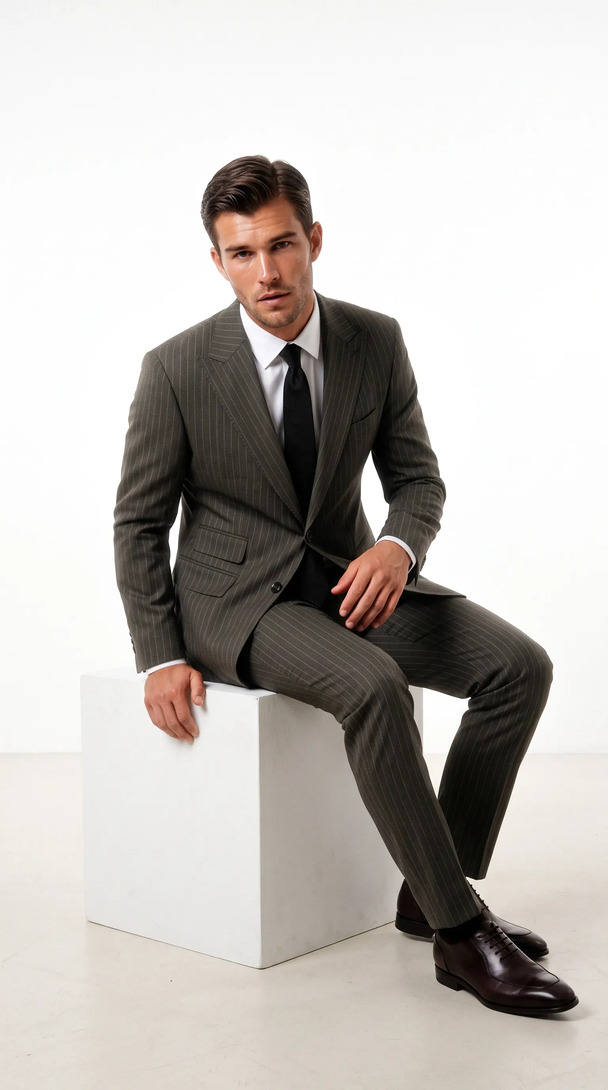
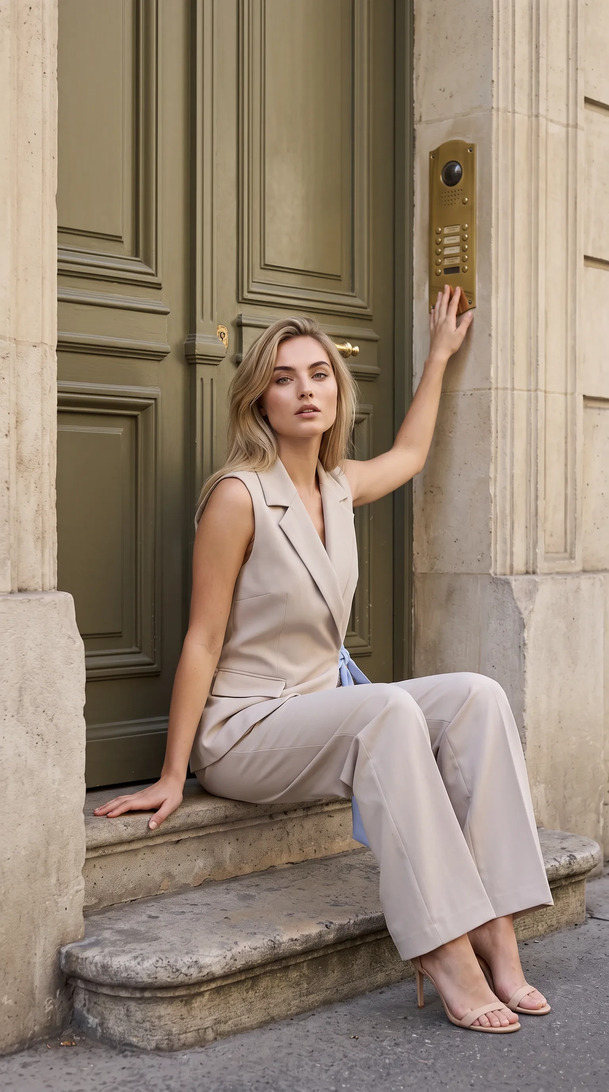
Ecommerce fashion photography is the production of product imagery specifically for fashion and apparel sold online. It encompasses on-model, flat lay, ghost mannequin, and lifestyle formats, each serving different buyer decisions across a catalog. Unlike general product photography, fashion ecommerce imagery must communicate fit, fabric, drape, and brand identity simultaneously. Platforms like Kayrae produce studio-grade on-model fashion imagery from a flat lay upload, with no shoot day required.
TL;DR: Ecommerce Fashion Photography
- Fashion ecommerce photography must communicate fit, fabric, and brand identity, not just product appearance.
- 95.6% of top fashion brands use on-model photography as their primary format for good reason: it closes the fit uncertainty that drives returns.
- Catalog consistency is a brand trust signal: inconsistent imagery implies a brand not in control of its own presentation.
- Art direction at scale is where most independent brands struggle, especially during high-frequency drop cycles.
- AI on-model generation solves consistency and scale simultaneously, without the overhead of repeat studio bookings.
Fashion photography for ecommerce has a problem that general product photography doesn't share: the product isn't the whole story.
A ceramic mug is a mug. The photography job is to make it look clean, accurate, and appealing. A jacket is something else entirely. The jacket tells buyers how their body will look wearing it. It communicates what kind of person wears it and where they'd wear it.
It implies a price point, a cultural reference, a lifestyle aspiration. The photography has to carry all of that, or the buyer bounces.
That's the gap between "product photography" and "fashion photography for ecommerce." Closing that gap is what this guide covers.
How Fashion Photography Differs from Standard Product Photography
The rules that apply to most product photography (clean background, accurate color, consistent lighting) are the floor in fashion ecommerce. They're necessary but not sufficient.
Fit communication is non-negotiable. A clothing buyer needs to understand how the garment falls on a body: where it sits at the waist, how much it tapers, whether the sleeve length hits at the wrist or the palm. Flat lay and ghost mannequin can gesture at this, but only on-model imagery conveys it accurately.
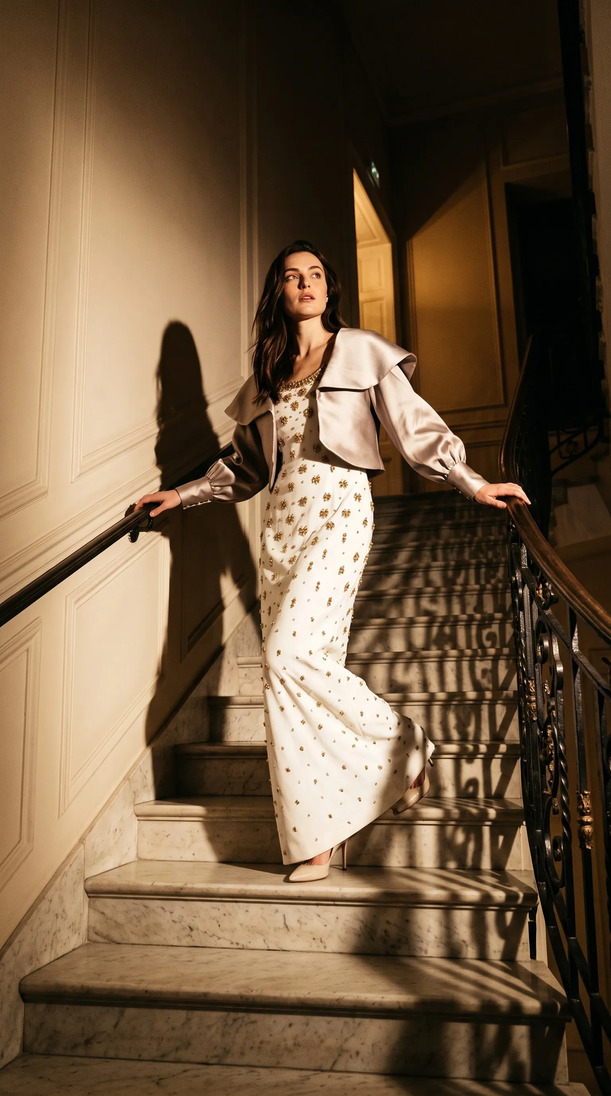
Fabric behavior matters as much as color. Silk moves differently than jersey. A structured blazer holds its shape; a linen shirt drapes unpredictably. The photography needs to show that movement. Static, lifeless imagery of a limp garment doesn't communicate quality, regardless of how technically correct the shot is.
Brand identity is part of the product promise. A buyer who lands on your product page from an Instagram ad has already made a judgment about what your brand represents. The photography on your PDP has to confirm that judgment, not contradict it. Inconsistent imagery signals a brand that hasn't thought through what it's selling.
Model, Styling, and Art Direction Requirements
A fashion ecommerce shoot has more moving parts than most brands anticipate.
Model Selection
The model's body type, height, and proportions affect how every garment photographs. A size 8 model wearing a size 12 garment with clips in the back is detectable to buyers, and it erodes trust. Brands serving diverse size ranges need either multiple models or deliberate choices about which size represents the line.
Model diversity across skin tone, body type, and age is increasingly expected, not optional.
Styling
On-body styling on a shoot requires a dedicated stylist or art director whose only job is garment condition, prop selection, and outfit composition. Every wrinkle matters. Every accessory either reinforces or distracts. The difference between a styled shoot and a thrown-together shoot is visible in a single scroll.
Art Direction
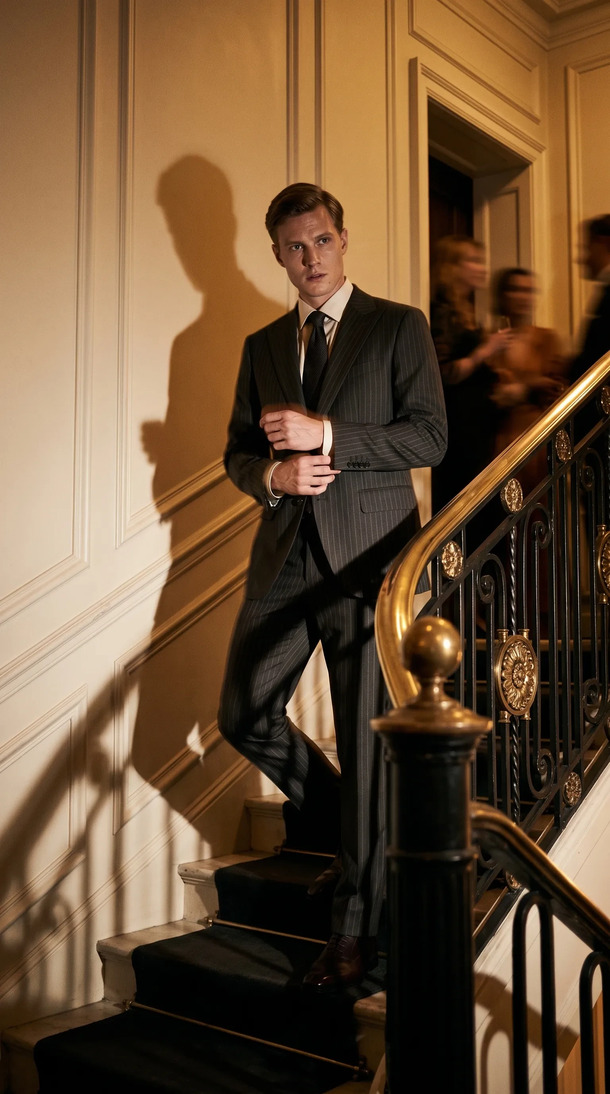
Beyond the garment, someone needs to make decisions about background choice, model pose, expression, set design, and the relationship between adjacent images in the catalog. These decisions, made consistently across a collection, are what turn a set of product images into a coherent brand world.
This is where most independent fashion brands struggle. Art direction at scale requires budget, coordination, and time that many brands don't have, especially during high-frequency drop cycles.
Consistency Across a Seasonal Collection
Inconsistency in fashion ecommerce photography is immediately visible, and it's disproportionately damaging.
When buyers browse a catalog and see images shot across three different sessions with different lighting treatments, different model poses, and different background tones, the implicit message is that the brand isn't in control of its own presentation. It signals disorder. That's not a surface-level aesthetic problem: it affects perceived quality and price point.
Consistency requires:
- A defined shoot brief that travels with every production, covering background color, lighting ratio, model pose guidelines, and post-production treatment
- A single source of truth for brand color values so images match across devices and channels
- A consistent model or defined model roster so buyers can develop visual familiarity with how your brand presents size and fit
- Version control across shoots so a product photographed in March matches one photographed in August
Most brands achieve this for one or two big seasonal shoots, then lose consistency as they produce fill-in content between campaigns.
Generate your first on-model image today. Plans start at $19/mo. View pricing
AI On-Model: How It Handles Fashion-Specific Requirements
The case for AI on-model in fashion ecommerce isn't just cost. It's consistency and speed at a level that traditional production can't match.
Kayrae is built specifically for fashion and apparel brands. Upload a flat lay or packshot, and the platform generates studio-grade on-model imagery. No booking a model, no scheduling a studio, no waiting for post-production turnaround.
What makes this work for fashion-specific requirements:
- 140+ AI models. Diverse body types, skin tones, heights, and poses. Brands serving a range of sizes can produce size-representative imagery across their catalog without the cost of multiple model bookings.
- Identity lock. The same AI model can appear across every image in a campaign, across multiple campaigns over time. Buyers see a consistent face and body they associate with your brand, building the visual familiarity that drives repeat conversion.
- Brand kit consistency. Palette, typography, shoot history, and product references are stored in your brand kit. Every generated image uses those references automatically. No briefing, no checking against previous assets, no drift between drops.
- Edit with AI. Need to adjust a detail? "Remove the necklace" or "change the background to stone grey" and it's done in seconds. No re-shoot, no brief to a retoucher.
Kayrae generates on-model fashion imagery 40x faster than a traditional shoot, at 1/3 the cost. Kingbrich cut imagery costs by 70% and achieved ultra-realistic on-model results. Norda Tekstil ships whole catalogs in a single day. Orchard & Co. replaced a three-person content team and a studio day.
Across the platform, brands have generated 48,000+ on-model images to date, with average delivery in roughly 30 seconds per garment.
Building a Brand-Consistent Fashion Photography Library with AI
The real leverage in AI fashion photography isn't one image. It's the library.
Every brand produces images that need to serve multiple purposes: PDPs, email headers, paid social, press lookbooks, Instagram grid. Traditionally, those formats required separate shoots or extensive reformatting. A single hero image might be cropped five different ways, each creating composition problems the original photographer didn't account for.
Kayrae's canvas workflow keeps your session persistent across drops. Variants can be branched from a single session so a hero image, a detail close-up, a styled flat lay, and a 9:16 social crop are all generated from one upload. Auto-export covers every ratio: Trendyol, Shopify, Meta, TikTok, Instagram (all sized correctly without manual intervention).
Over time, your brand kit accumulates a shoot history. Each generation references previous work, so imagery becomes more consistent as your library grows, not less.
Pricing scales with catalog volume: Starter at $19/mo, Pro from $43/mo (the most-picked tier for growing fashion brands), Studio from $80/mo for agencies and high-frequency producers, and Enterprise on custom terms for brands with large catalogs or specific integration needs. See full pricing.
Sources
- 95.6% of top fashion brands use on-model photography (Pixelphant, 2024)
About Kayrae
Kayrae is an AI on-model product photography and video platform for fashion and e-commerce brands. The platform generates studio-grade on-model imagery from flat lay uploads in seconds, with 140+ AI models, brand kit consistency, identity lock, video generation (5-15s social clips), and auto-export for Shopify, Trendyol, Meta, TikTok, and Instagram.
- Platform: kayrae.ai
- Product: kayrae.ai/products
- Pricing: kayrae.ai/pricing (Starter $19/mo, Pro from $43/mo, Studio from $80/mo, Enterprise custom)
- Founder: Can Bayrak
FAQ
What is the difference between fashion photography and product photography for ecommerce? Standard product photography documents an object accurately. Fashion ecommerce photography communicates fit, fabric behavior, brand identity, and lifestyle aspiration. It requires model selection, styling, art direction, and consistency across a collection, not just technical accuracy.
How many photos does a fashion ecommerce PDP need? Most high-performing fashion PDPs carry 5-8 images: a front on-model shot, a back shot, a detail close-up, a styled or lifestyle image, and at least one alternate angle. If the garment comes in multiple colors, each colorway typically needs its own primary image.
Can AI handle the diversity and size range requirements for fashion ecommerce? Yes. Kayrae offers 140+ AI models across diverse body types, skin tones, and heights. Brands can generate size-representative imagery across their full range without booking multiple models per shoot. Identity lock maintains visual consistency across all the models used within a campaign.
How do I maintain photography consistency across a full seasonal collection? With a traditional shoot, consistency requires a tightly maintained brief and the same production team across every session. With Kayrae, your brand kit stores palette, shoot references, model selection, and product history. Every generation references that kit automatically, so consistency is structural rather than reliant on briefing discipline.
Producing fashion imagery at catalog scale without the studio overhead? Book a demo with Kayrae.