Fashion Photography: A Complete Guide
See also: AI lookbook: build a full lookbook without a shoot
TL;DR: Fashion Photography
- Fashion photography covers eight distinct formats, from editorial to AI on-model, each with different cost, crew, and conversion implications.
- On-model imagery converts 20-30% higher than flat lay, making format choice a direct revenue decision.
- 95.6% of top fashion brands use on-model photography, confirming it as the standard format for competitive catalogs.
- AI has fundamentally changed the economics of on-model and catalog production, not the creative discipline.
- Understanding which format fits which use case is the first step to building an efficient visual production system.
What Is Fashion Photography?
Fashion photography is the discipline of photographing clothing, accessories, and styling for commercial, editorial, or artistic purposes. It encompasses a broad spectrum of output types: the e-commerce product image on a white background, the lookbook spread shot on location, the magazine editorial with narrative art direction, and the campaign visual that communicates a brand's entire aesthetic in a single frame.
Fashion photography is distinct from general product photography in that the human body and how clothing interacts with it are almost always central to the work, either literally (on-model) or implied (ghost mannequin, flat lay).
8 Types of Fashion Photography (and When Each Earns Its Place)
Understanding the categories is the first step to knowing which type applies to your project and what it demands in terms of budget, crew, and creative investment.
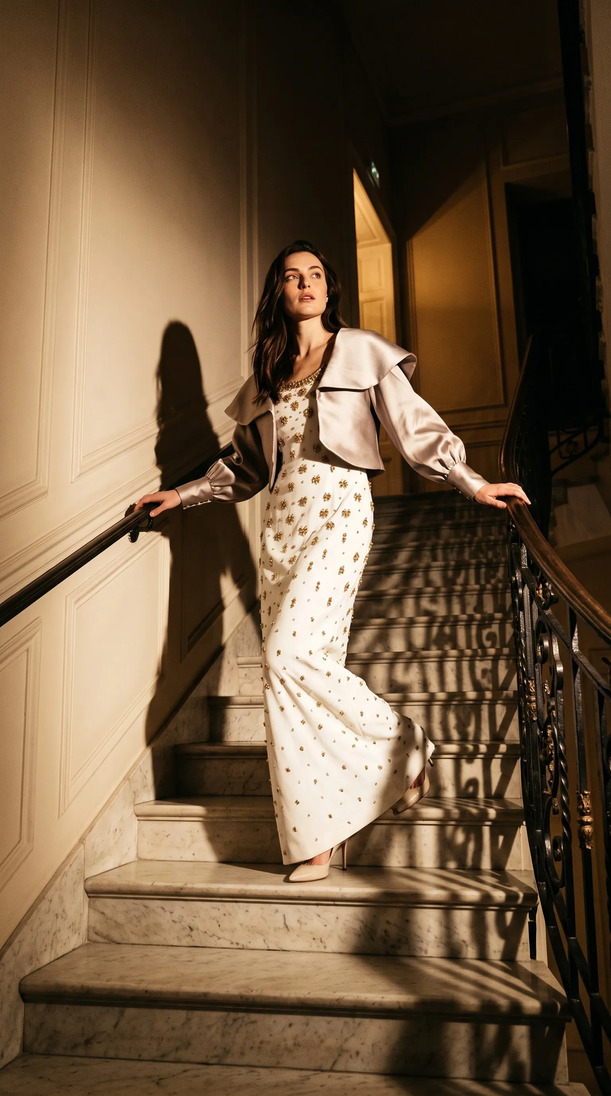
- Editorial. Storytelling, magazine-style work where clothing is costume or prop in service of a narrative idea. Think Vogue, i-D, Dazed. High creative freedom, low commercial constraint, significant production investment. The image is the artifact; the garment is the vehicle.
- Commercial/catalog. Product-led, retailer-spec photography where accuracy and clarity are the primary goals. Color, fit, scale, and construction must read clearly. Shot at volume with strict naming and format conventions. Aesthetic is secondary to information transfer.
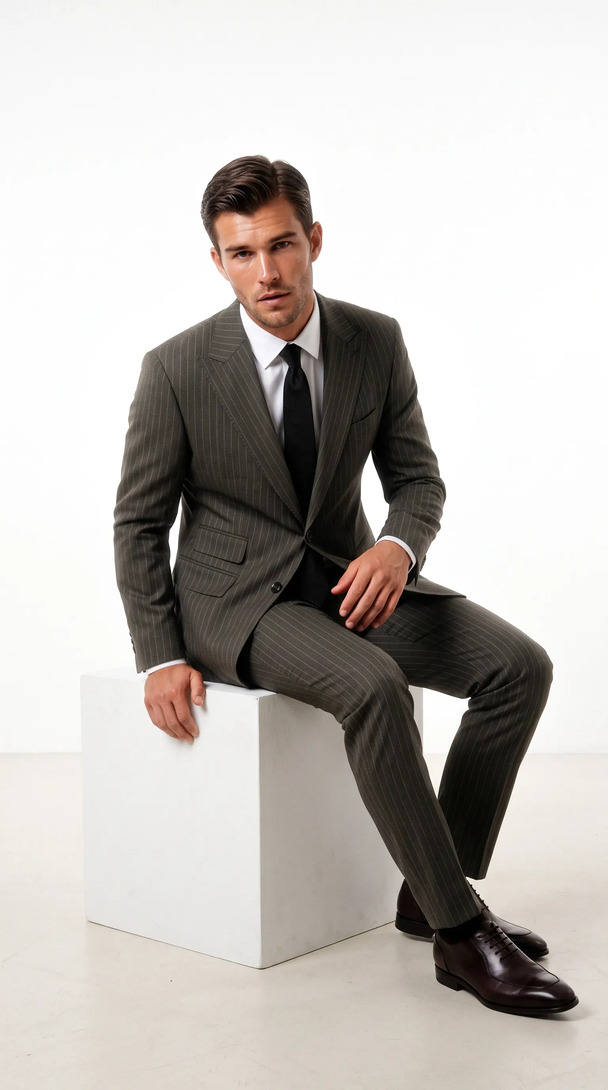
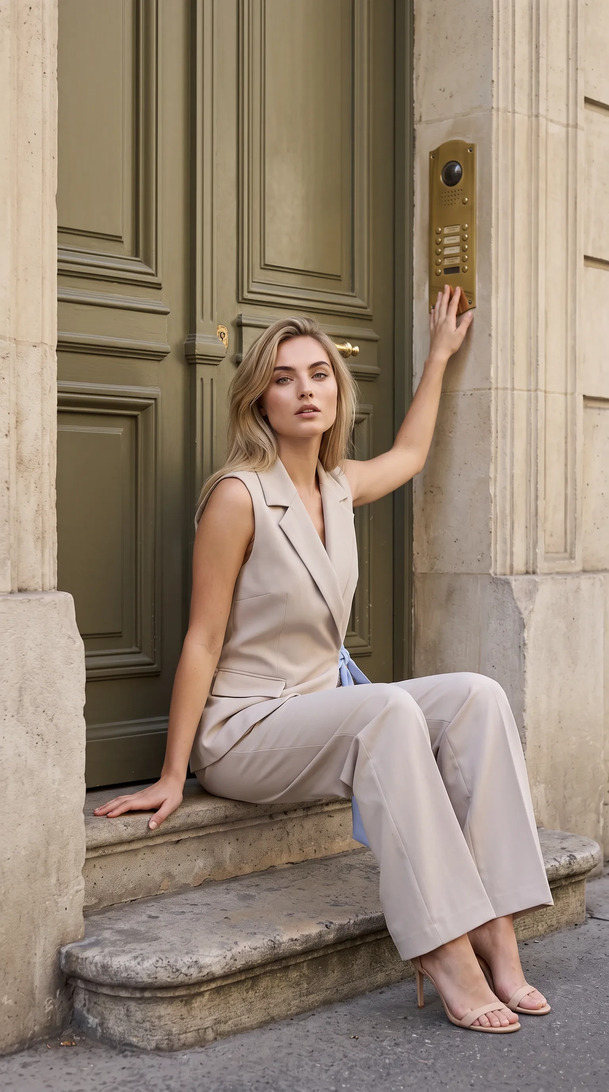
- E-commerce on-model. Conversion-focused and consistent. The product is shown on a real (or AI) model to help shoppers read fit, drape, and proportion. On-model imagery converts 20-30% higher than flat lay or ghost mannequin shots. Volume requirements are high; brand consistency must hold across every SKU.
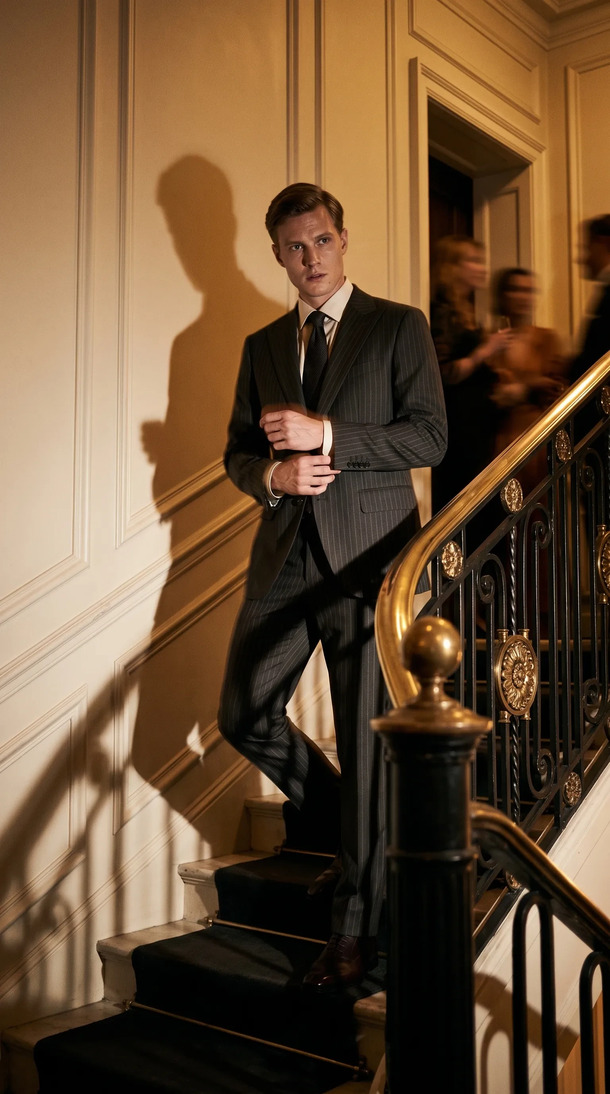
- Lookbook. Seasonal narrative that presents a collection as a cohesive world. Aimed at buyers, media, and brand audiences. Lower model count, tighter art direction, and deliberate styling choices distinguish a lookbook from a catalog. The goal is brand story, not SKU documentation.
- Campaign hero. A brand moment at high production value. Campaign images run across paid channels: billboard, digital display, social ads. One image needs to work at every size and in every context. Direction, lighting, and casting are all decided weeks before the shoot day.
- Flat lay. Format entry-level, cost-efficient. Products are arranged on a flat surface and shot from directly overhead. No model required. Strong for catalog input, detail documentation, and social content. Conversion is lower than on-model. Works well as the input format for AI on-model generation.
- Ghost mannequin. Structure-focused, no model. A garment is shot on a physical mannequin, then the mannequin is removed in post-production. Shows garment construction clearly but lacks the body warmth and proportion reference of an on-model image. The post-production workflow is cumbersome at scale.
- AI on-model. Scale, consistency, no shoot. A flat lay or mannequin shot is processed by generative AI to produce a photorealistic on-model image. Eliminates the shoot day entirely while matching the conversion performance of traditional on-model photography. Used by 95.6% of top fashion brands in some form, now increasingly accessible to brands of any size.
Equipment Basics
Fashion photography doesn't require the most expensive equipment, but it requires the right equipment for the format you're shooting.
Camera Body
A full-frame mirrorless or DSLR with at least 24MP is the practical standard for professional fashion work. More megapixels give you more flexibility in cropping for multi-format delivery. Sony A7 series, Canon R series, and Nikon Z series are all used at the professional level. Medium format (Fujifilm GFX, Phase One) is used for campaign and editorial work where the extra resolution and tonal rendering matter.
Lenses
For studio work: an 85mm or 100mm prime for full-length shots, a 50mm for three-quarter and detail work. These focal lengths avoid the perspective distortion of wide-angle lenses and are flattering to garment silhouettes. On location, a 35mm or 24-70mm zoom adds flexibility.
Lighting
Studio work typically uses monolight or pack-and-head strobe systems with softboxes for fashion. A two-light setup (key light in a large softbox, fill or reflector opposite) covers most catalog and lookbook scenarios cleanly. For editorial, modifiers (grids, beauty dishes, gels) shape light to serve the specific image. On location, a portable strobe or speedlight with a travel modifier gives you control over ambient light.
Location vs Studio
Studio gives you total light control, consistent conditions across a shoot day, and faster setups. Location gives you context: architecture, texture, natural light, and environmental narrative that a studio can't replicate. Campaign and editorial shoots regularly use both, starting in studio for control and moving on location for the environment.
Generate your first on-model image today. Plans start at $19/mo. View pricing
Working with Models
Casting and direction are where fashion photography either succeeds or falls apart.
Casting
Cast to the garment, not to a generic standard. A structured tailoring collection needs models who can hold a strong shoulder and a clean posture. A fluid, relaxed resort collection needs models who move naturally and look comfortable on camera. Casting for the garment's requirements (not just for general attractiveness) produces better images.
Pre-Shoot Communication
A mood board, a reference deck, and a walkthrough call before the shoot day matter. The model, the photographer, and the creative director all need to arrive with the same reference point. Surprises on set are expensive.
Direction
Fashion direction is specific. Not "look good," but "weight on your back foot, chin down, open the jacket at the right lapel, hands relaxed." The more specific and calm the direction, the faster the model can execute and the fewer frames you burn. Build in a warm-up period at the start of each setup: the first five to ten frames are rarely the ones you use.
Consistency
Across a lookbook or catalog shoot, model consistency (the same person, same hair, same makeup, in the same light) builds cohesion. If you're casting multiple models, make sure the lighting and styling system is strong enough to hold the collection together across different faces and bodies.
Post-Production: Editing, Color Grading, and Format Prep
Post-production in fashion photography is as creative as the shoot itself, and as time-consuming.
Color Grading
Consistent color across all images in a series matters for grid coherence and brand recognition. Establish a grade in Lightroom or Capture One for the series and apply it as a starting point for every image. Adjust per-image from there.
Retouching
Skin retouching in fashion has moved toward more naturalistic standards at most brands, driven by consumer expectation and platform policies in some markets. The guiding principle: remove the things a good makeup artist should have caught (stray hairs, product inconsistencies, distracting blemishes) without erasing what makes the model a person.
Garment Retouching
Wrinkles that couldn't be steamed out on set, fabric bunching at seams, color casts from reflective surfaces: these are the common garment retouching tasks. Be systematic and create a checklist per garment category.
Format Prep
A single image may need to be delivered at five different ratios for five different platforms. Building a structured export workflow (batch exports in Lightroom, or a dedicated tool for multi-ratio delivery) at the start of a project saves hours at the end.
AI in Fashion Photography: What Changed in 2026
AI didn't change fashion photography; it extended it. The creative disciplines (casting, direction, lighting, color, narrative) are still human. What AI changed is the production constraint.
The two constraints that defined fashion photography economics were time and access. Booking a studio, a model, a photographer, and a stylist for a full shoot day set a minimum production cost that put on-model imagery out of reach for smaller brands and put catalog photography at a fixed cadence for larger ones.
AI on-model generation breaks both constraints. A flat lay shot, already standard in most brand workflows, is now the input for on-model imagery. The model is AI-generated, chosen from a library of 140+ AI models with control over body type, pose, and skin tone. The output is studio-grade imagery in seconds.
For editorial and campaign work, the creative standard that requires human collaboration and physical production remains. But for catalog photography, lookbook imagery, and social content, AI has moved the economics fundamentally. Brands that previously shot on-model four times a year now produce on-model imagery for every drop.
Kayrae is built on this shift. The platform takes a flat lay and returns studio-grade on-model imagery without a shoot day, 40x faster than a traditional studio, at 1/3 the cost. Brand kit lock, identity consistency, and auto-export across all major platform ratios are built into the workflow. Video generation (5 to 15 second social clips) from the same input closes the gap between still and motion content production.
The fashion photography discipline isn't smaller. It's running on a larger surface. AI handled the production floor; the creative direction work has more room to breathe.
Sources
- On-model imagery converts 20-30% higher than flat lay (Pixelphant, 2024)
- 95.6% of top fashion brands use on-model photography (Pixelphant, 2024)
About Kayrae
Kayrae is an AI on-model product photography and video platform for fashion and e-commerce brands. The platform generates studio-grade on-model imagery from flat lay uploads in seconds, with 140+ AI models, brand kit consistency, identity lock, video generation (5-15s social clips), and auto-export for Shopify, Trendyol, Meta, TikTok, and Instagram.
- Platform: kayrae.ai
- Product: kayrae.ai/products
- Pricing: kayrae.ai/pricing (Starter $19/mo, Pro from $43/mo, Studio from $80/mo, Enterprise custom)
- Founder: Can Bayrak
Orchard & Co. replaced a three-person content team and a studio day. Kingbrich cut imagery costs by 70% while upgrading to ultra-realistic on-model shots. Norda Tekstil ships an entire catalog in a day, with every model looking real.
Across the platform, brands have generated 48,000+ on-model images to date, with average delivery in roughly 30 seconds per garment.
FAQ
What's the difference between fashion photography and product photography? Fashion photography centers on clothing and how it interacts with the human body; the model, styling, and environment are deliberate creative elements. Product photography is broader: it covers all product categories and often doesn't involve a human subject. In e-commerce, fashion photography specifically includes on-model imagery, lookbooks, and campaign visuals, while product photography may refer to packshots and background-isolated images.
How much does a fashion photography shoot cost? Range is wide. A basic catalog shoot with a local photographer, a model, and a rented studio runs $1,500 to $5,000 per day. A campaign shoot with a name photographer, a full crew, and a location can run $30,000 to $200,000 or more. AI on-model photography through Kayrae starts at $19/mo and generates imagery 40x faster at 1/3 the cost of traditional production. See full pricing.
Do I need a professional camera for fashion photography? For editorial and campaign work, yes: professional camera bodies and lenses are the standard. For e-commerce and catalog photography, modern smartphones with good flat lay technique produce acceptable results, especially when AI tools handle the on-model conversion in post. The camera matters most when the image is the final product; when AI is processing the image as an input, resolution and lighting quality matter more than camera brand.
How is AI changing fashion photography in 2026? AI is absorbing the production layer of fashion photography: catalog shots, on-model imagery for new drops, multi-format exports, and basic video. This frees creative and budget resources for higher-value work: campaign direction, editorial narrative, and brand-building imagery that requires genuine human creative investment. Brands using AI for catalog production are reallocating shoot budgets toward less frequent but higher-quality campaign shoots.
Ready to see what AI on-model production looks like for your brand? Flat lay in. Studio-grade imagery out.Book a demo with Kayrae and generate your first on-model image today.
Can Bayrak, Founder, Kayrae.ai