Ghost Mannequin Photography: The AI Alternative in 2026
Author: Can Bayrak, Founder, Kayrae.ai
Disclosure: Can Bayrak is the founder of Kayrae. All comparisons use verified third-party data.
See also: Flat lay photography: the complete guide
What is ghost mannequin photography? Ghost mannequin photography (also called invisible mannequin or hollow man photography) is a post-production technique where a garment is photographed on a mannequin, then the mannequin is digitally removed in editing to leave a three-dimensional, body-shaped product image with no visible support. The result shows the garment's silhouette, fit, and interior details (such as collar construction or lining) in a clean, professional format. Widely used in fashion ecommerce for product detail pages where a model is not in the brief.
TL;DR: Ghost Mannequin
- Ghost mannequin produces clean, three-dimensional garment imagery without a model, but it still requires a full shoot day and skilled post-production per SKU.
- The technique cannot show real fit, body diversity, or the emotional connection that drives purchase confidence.
- On-model images consistently outperform ghost mannequin in conversion tests. Fashion return rates average 30-40% for online apparel, and poor fit visualization is a leading driver.
- AI on-model generation from a flat lay replaces ghost mannequin entirely: no shoot day, no mannequin, no composite retouching.
- Kayrae produces studio-grade on-model imagery in seconds, at 1/3 the cost of traditional photography, with identity lock across the full catalog.
Why Brands Use Ghost Mannequin
The appeal is clean and logical. Ghost mannequin photography keeps the focus entirely on the product. No model personality, no posing choice, no skin tone consideration: just the garment, shaped and lit to show exactly what the buyer gets.
For product categories where construction and structure matter (tailored jackets, formal shirts, structured knitwear), ghost mannequin shows the garment in a way flat lay cannot. The three-dimensional shape communicates volume and fit without the overhead complexity of a model booking.
It is also relatively affordable compared to full on-model production. If you already own a mannequin (or rent one cheaply), the cost is a photography session and a retoucher. There are no model fees, no stylist rates for model dressing, no casting process. For brands with high SKU counts and limited budgets, ghost mannequin became the default production method for exactly these reasons.
The technique is genuinely useful. But in 2026, it is no longer the most efficient path to three-dimensional garment imagery, and it is not the most effective format for conversion.
The Ghost Mannequin Workflow
Understanding the workflow makes its limitations obvious.
Step 1: Front shot. The garment is dressed on a mannequin and photographed front-on with consistent lighting.
Step 2: Interior neck/collar shot. For tops and jackets, the collar or neckline is photographed separately (usually with the garment removed from the mannequin and held open) to capture the interior collar construction. This is the shot that gets composited in later to fill the gap the mannequin's neck creates.
Step 3: Post-production composite. A retoucher takes the front shot and removes the mannequin using a combination of clipping paths, masking, and background replacement. The interior collar shot is composited into the neck opening to create the illusion of a fully shaped, floating garment.
Step 4: Final cleanup. Shadows are adjusted, the background is cleaned, and any mannequin artifacts (stand bases, shoulder pegs, clips holding the fabric) are removed.
For a skilled retoucher, a single ghost mannequin composite takes 15 to 45 minutes depending on garment complexity. Multiply that across a catalog of 200 SKUs and the post-production hour count becomes significant.
The Limitations
Ghost mannequin is a good technique with a ceiling.
It still needs a shoot day. The mannequin has to be dressed and lit for every single SKU. That means a photography session regardless of catalog size. You are not eliminating the shoot. You are just eliminating the model.
Post-production is slow and skilled-labor-dependent. The composite work requires either an in-house retoucher or an outsourced service. Quality varies. Turnaround takes days to weeks at scale. Rush fees are common.
It does not show real fit. A mannequin is a fixed size and a fixed shape. It does not move, and it does not represent the range of bodies your customers have. Ghost mannequin images show garment structure, but they do not show how the garment moves or how it fits on a real body, which is the information that actually drives purchase confidence and reduces returns.
No diversity. A single fixed mannequin means a single fixed silhouette for every SKU in your catalog. You cannot show the same garment on a size 12 body and a size 18 body without either owning multiple mannequins or running multiple shoot sessions.
Low conversion ceiling. Ghost mannequin images are informative but cold. They do not generate the emotional connection that on-model imagery does. Conversion data consistently shows on-model images outperforming ghost mannequin for the same product. With fashion return rates averaging 30-40% for online apparel, anything that reduces purchase confidence also increases the return rate you are already absorbing.
6 Reasons Ghost Mannequin Still Costs You a Shoot Day
Even when you outsource the retouching, ghost mannequin keeps you tied to physical production:
- You still need the physical garment on a mannequin. Every SKU requires dressing, styling, and positioning before a single frame is captured. There is no digital shortcut for this step.
- You need multiple angles for the composite. The front shot, the interior collar shot, and often a back shot all require separate setups. One SKU is not one photograph. It is three to four, each requiring repositioning.
- Post-production editing per image. Mannequin removal is not automated. A skilled retoucher works every image individually, and the per-image cost stacks quickly across a catalog.
- Color accuracy issues in stitching. When the collar interior shot is composited with the main image, white balance and color profile mismatches are common. Correcting them adds time and cost to an already layered post-production process.
- No model presence for emotional connection. Ghost mannequin shows the garment but not the lifestyle. Shoppers buy clothes to wear them. An image with no human presence removes the aspirational context that drives high-intent purchasing.
- Turnaround time from service providers. If you outsource ghost mannequin retouching (which most brands do), standard turnaround is 24 to 72 hours per batch. A 200-SKU catalog means days of waiting before images are production-ready, and any revision adds another cycle.
Generate your first on-model image today. Plans start at $19/mo. View pricing
The AI Alternative: Flat Lay to On-Model
The gap that ghost mannequin fills (three-dimensional garment presentation without a model) is now filled more efficiently and more effectively by AI on-model generation.
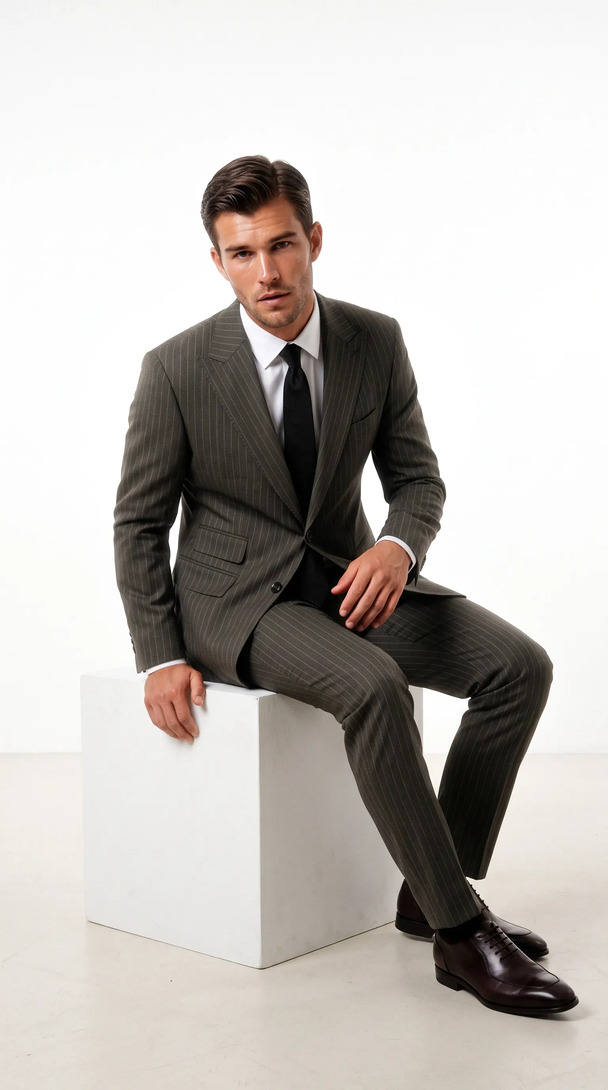
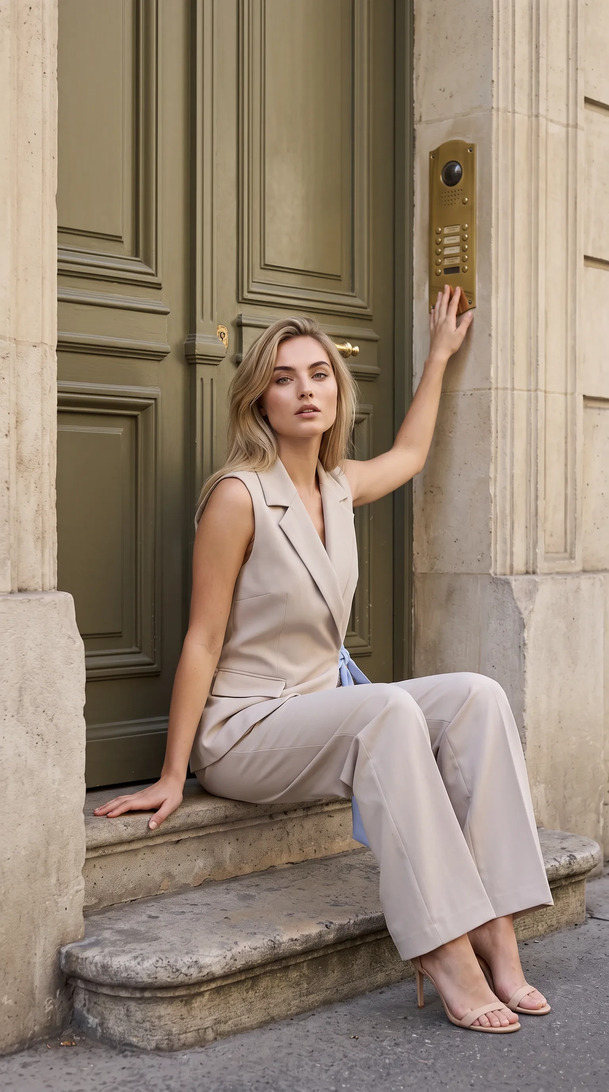
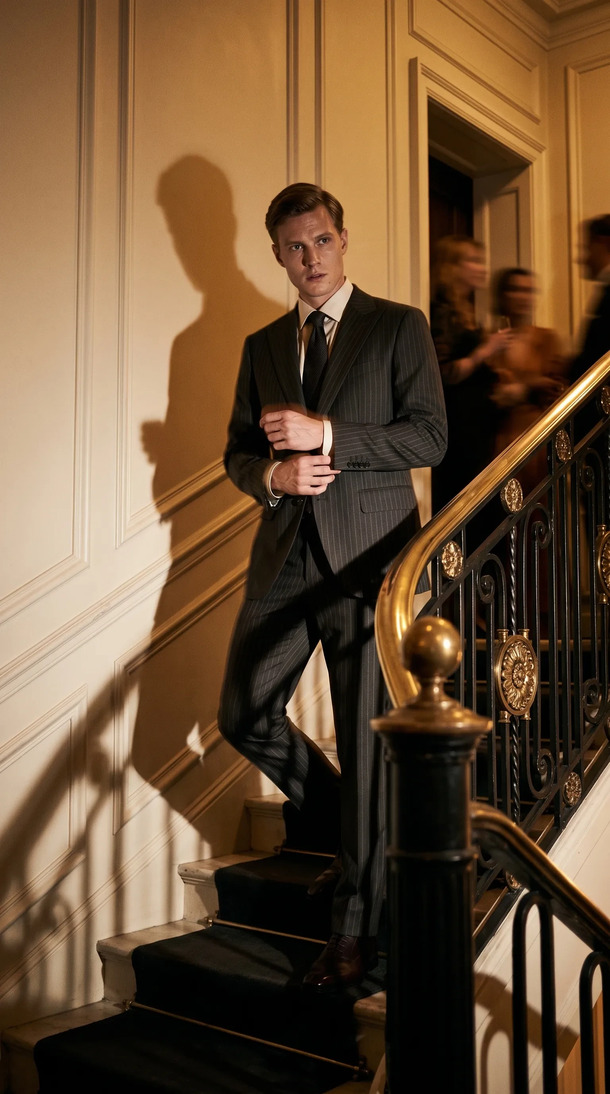
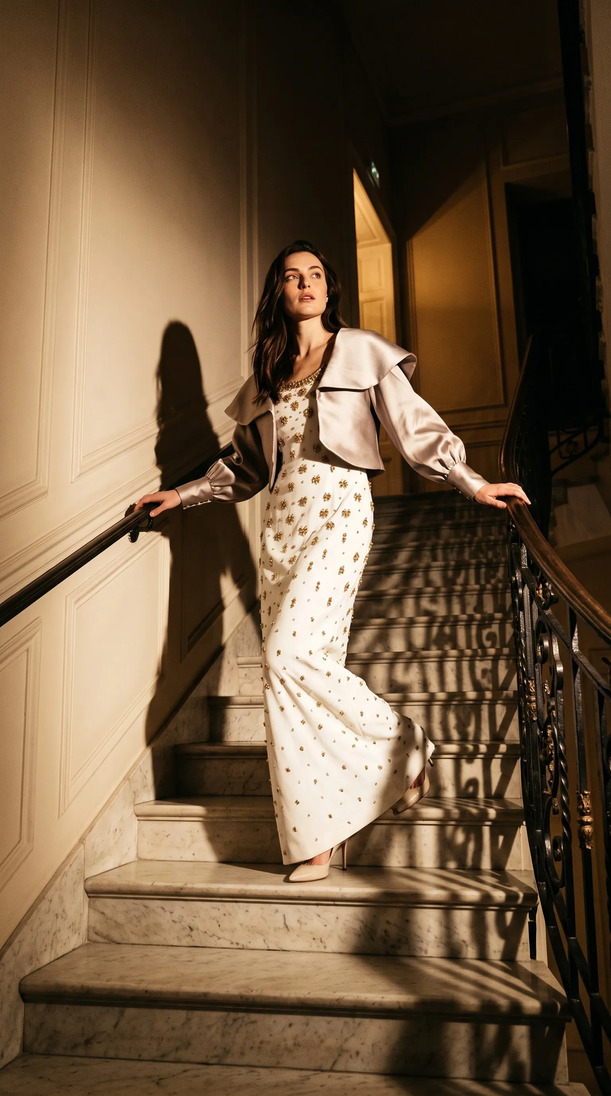
The workflow is simpler: upload a flat lay or packshot to Kayrae on-model generation, select a model, and receive a studio-grade on-model photograph in seconds. You get everything ghost mannequin provides (garment structure, silhouette, drape) plus everything it cannot provide: a real model, real fit context, body diversity, and the conversion power of seeing the garment worn.
Generation runs 40x faster than a studio shoot and comes in at 1/3 the cost of traditional product photography. Because Kayrae's 140+ AI models cover diverse body types, poses, and skin tones, you can show the same garment on multiple model profiles without running multiple shoot sessions. That model diversity is a fixed-cost feature, not a per-session expense.
The brand kit keeps everything consistent. Same model identity across every SKU. Same lighting logic. Same visual language, whether you are generating five looks or five hundred. And because generation is available 24/7, there is no booking window. When the sample arrives, you generate immediately.
Side-by-Side: Ghost Mannequin vs AI On-Model
| Ghost Mannequin | AI On-Model (Kayrae) | |
|---|---|---|
| Shoot day required? | Yes | No |
| Post-production time | 15-45 min per SKU | Seconds |
| Real fit context | No (fixed mannequin) | Yes (140+ diverse AI models) |
| Model diversity | None | 140+ body types, skin tones, poses |
| Identity consistency | N/A | Identity lock across full catalog |
| Conversion impact | Lower (no model) | Higher (on-model imagery) |
| Video output | No | Stills into 5-15s social videos |
| Channel exports | Manual | Auto: Trendyol, Shopify, Meta, TikTok, IG |
| Cost | Shoot + retouching | Fraction of traditional cost |
| Scaling | Linear with shoot days | Catalog-wide in a day |
Ghost mannequin is not wrong as a technique. For brands with no existing flat lay workflow and a very tight brief around product structure imagery, it still has a place. But as a default catalog production method in 2026, it is the more expensive, slower, and lower-converting path when the AI alternative exists.
Norda Tekstil ships their entire catalog in a day with Kayrae. Every model looks real. Kingbrich cut imagery costs by 70% and moved to on-model shots that outperform their previous studio photography. Orchard & Co. replaced a three-person content team and a studio day.
Across the platform, brands have generated 48,000+ on-model images to date, with average delivery in roughly 30 seconds per garment.
Pricing starts at Starter $19/mo. Pro from $43/mo is the most picked plan for brands running full catalog production. Studio from $80/mo covers higher-volume operations. Enterprise is custom. See full pricing.
Sources
- Fashion return rates average 30-40% (Opensend)
About Kayrae
Kayrae is an AI on-model product photography and video platform for fashion and e-commerce brands. The platform generates studio-grade on-model imagery from flat lay uploads in seconds, with 140+ AI models, brand kit consistency, identity lock, video generation (5-15s social clips), and auto-export for Shopify, Trendyol, Meta, TikTok, and Instagram.
- Platform: kayrae.ai
- Product: kayrae.ai/products
- Pricing: kayrae.ai/pricing (Starter $19/mo, Pro from $43/mo, Studio from $80/mo, Enterprise custom)
- Founder: Can Bayrak
FAQ
What is the difference between ghost mannequin and flat lay photography? Ghost mannequin photography shows the garment shaped in three dimensions on a mannequin with the mannequin digitally removed, creating a hollow-body effect. Flat lay photography places the garment on a flat surface photographed from above. Both are product-only formats with no model. AI on-model generation converts either format into a styled, on-model image, giving you the conversion advantage of real model imagery without running a model shoot.
How much does ghost mannequin photography cost? A ghost mannequin photography session typically runs $30 to $80 per garment when you factor in photography time, mannequin rental or ownership, and retouching at $15 to $45 per SKU for post-production composite work. At catalog scale, the costs accumulate quickly. AI on-model generation at Kayrae produces superior (on-model) imagery at a fraction of that per-SKU cost, with plans starting at $19/month.
Is ghost mannequin photography good for ecommerce conversion? It is better than a flat lay alone because it communicates three-dimensional structure, but it consistently underperforms on-model imagery in conversion tests. Shoppers respond to seeing garments worn because it gives them fit and styling context. Ghost mannequin removes the mannequin but not the absence of a real human wearer. For brands optimizing PDP conversion, on-model imagery is the stronger format.
Can AI replace ghost mannequin photography entirely? For most fashion ecommerce use cases, yes. AI on-model generation produces images that show garment structure, drape, fit, and styling context on a realistic model, covering everything ghost mannequin provides and significantly more. The main remaining case for ghost mannequin is highly technical product documentation where the interior construction of a garment needs to be visible, which is a niche requirement for most DTC and wholesale fashion brands.
Book a demo and see your product on-model without a shoot day: kayrae.ai
Can Bayrak, Founder, Kayrae.ai