On-Model Photography: What It Is and How AI Changed It
See also: Flat lay photography: the complete guide
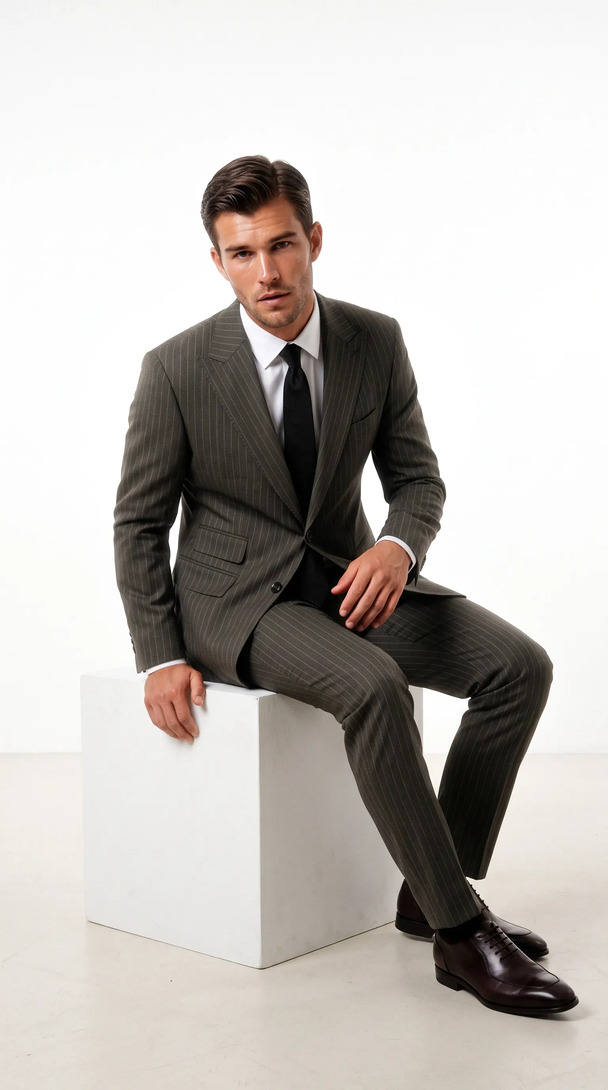
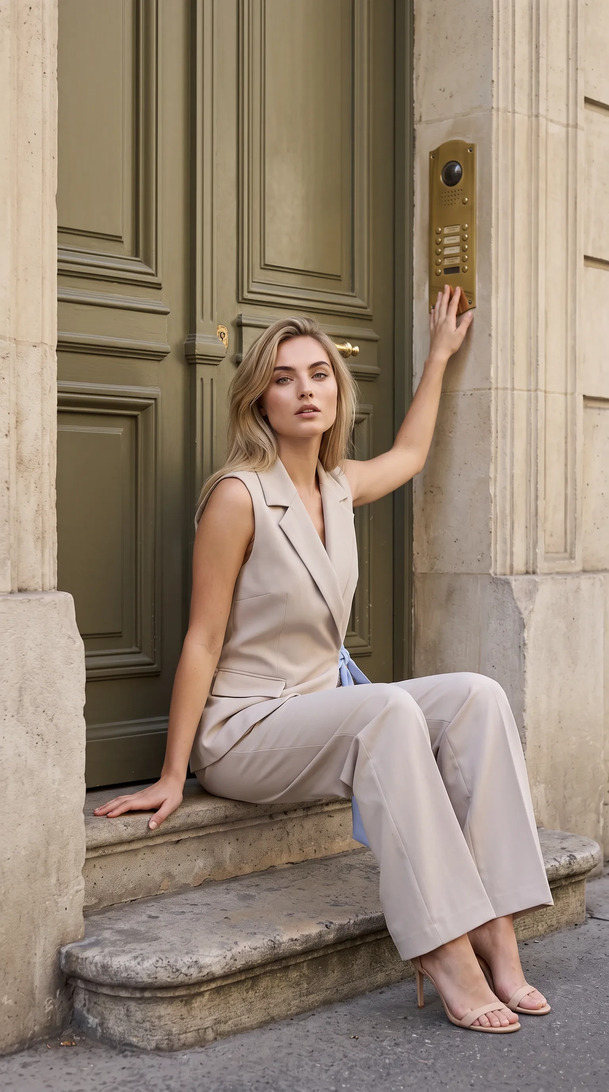
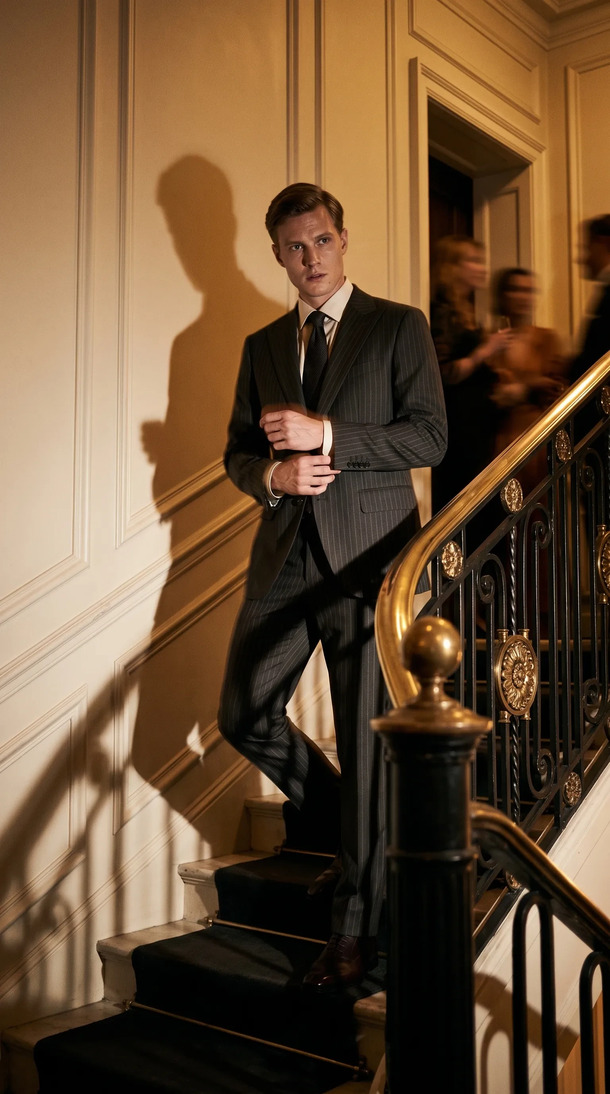
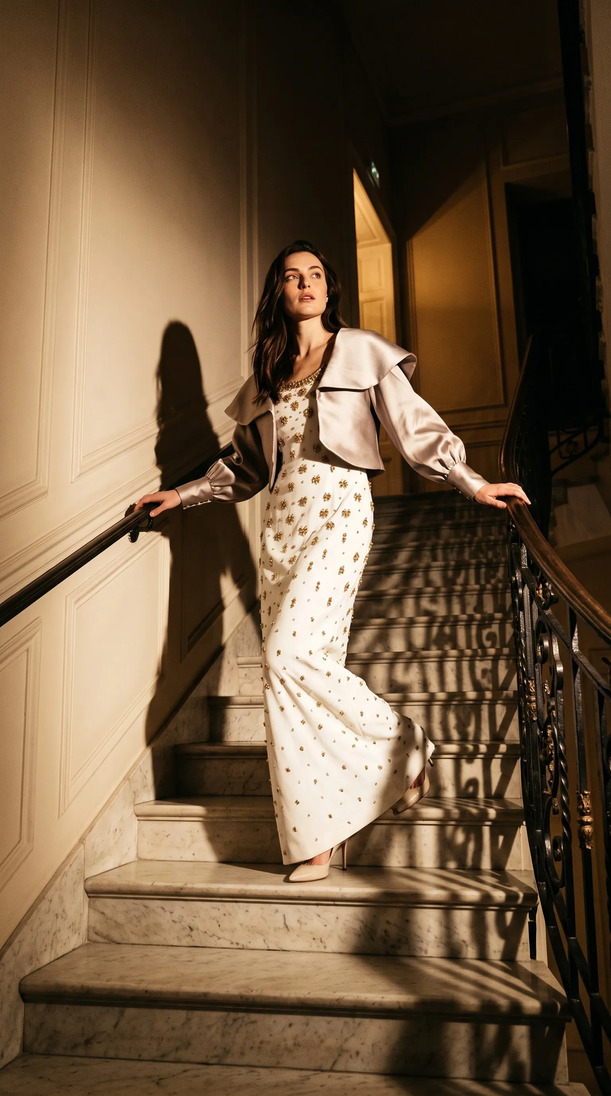
On-model photography is a format of product photography in which clothing or accessories are worn by a human model, providing shoppers with a realistic representation of fit, drape, proportion, and styling. It is the primary image format for fashion e-commerce, preferred by major retail platforms including Zalando, Trendyol, and ASOS for category listings. Compared to flat lay or ghost mannequin alternatives, on-model photography consistently delivers higher conversion rates, lower return rates, and greater shopper trust across apparel categories where fit is a purchase consideration.
TL;DR: On-Model Photography
- On-model photography is the standard format for fashion e-commerce: required or strongly preferred on Zalando, Trendyol, and ASOS.
- On-model images convert 20-30% higher than flat lay for most fitted apparel categories.
- The traditional on-model production process for a 40-piece collection typically runs two shoot days, 80+ images to edit, and significant lead time.
- Fashion return rates average 30-40% for online apparel, and on-model imagery is the primary lever for reducing fit-driven returns.
- AI on-model platforms like Kayrae produce retailer-spec imagery at 1/3 the cost and 40x the speed of traditional shoots.
On-Model vs Flat Lay vs Ghost Mannequin: The Conversion Difference
These three formats exist on a spectrum of shopper confidence.
Flat lay is the most economical to produce. Arrange the garment, shoot from above, done. It works for accessories, folded basics, and pattern-forward products where print or texture is the primary purchase driver. It does not work for anything where fit is the question. A flat lay of a fitted dress tells a shopper nothing about whether the dress will fit their body.
Ghost mannequin (also called invisible mannequin or hollow man) preserves silhouette better than a flat lay. The garment is photographed on a dress form, and the form is removed in post-production, leaving the shape of the garment intact. It is better than flat lay for structured pieces. It is still significantly worse than on-model for anything that needs to communicate how fabric moves on a human body.
On-model is the conversion leader. Shoppers see the garment on a person, which activates a form of mental try-on: they map the model's proportions against their own and make a judgment call. This is the decision architecture that fashion retail is built on. On-model imagery increases average order value, reduces returns, and builds the brand trust that creates repeat buyers.
The gap is not marginal. Retail platforms that track format performance consistently show on-model outperforming flat lay and ghost mannequin in add-to-cart rate, particularly for dresses, tailoring, knitwear, and outerwear.
The Traditional On-Model Production Process
The traditional workflow for on-model photography involves a series of coordinated bookings that have to align before any shutter clicks.
A photographer is booked for a studio day, typically a minimum of eight hours. A model or models are cast and confirmed, with call sheets sent in advance. A stylist or fashion assistant manages the looks: steaming, dressing, accessorizing, pinning where needed. The studio is lit and set. Looks are shot in sequence, with change time between each.
After shoot day, images go to post-production: background cleanup or replacement, retouching, color grading, export in multiple formats. Delivery typically runs five to ten business days after shoot day for a professional studio.
For a 40-piece collection with two model looks per piece, you are looking at two full shoot days, model fees for both, and editing on 80-plus final images. The cost is significant. The lead time is material. And when a sample changes or a colorway is added late, you go back to the beginning.
Why On-Model Converts Better (AOV, Returns, Trust)
The data behind on-model photography's conversion advantage is consistent across markets and categories.
Average Order Value
On-model imagery makes it easier to style complete outfits in a single frame. Shoppers who see a full look are more likely to add multiple pieces to their cart. Retailers that present cross-sell suggestions alongside on-model images see higher basket sizes.
Return Rates
Fashion return rates average 30-40% for online apparel, and fit uncertainty is the primary driver. "It looked different online" is the most common reason given. On-model imagery reduces that gap between expectation and reality. Shoppers who can evaluate fit on a body have fewer surprises when the parcel arrives.
Brand Trust
Flat lay and ghost mannequin images signal a certain level of production investment (or lack of it). On-model imagery communicates that a brand takes its presentation seriously. For first-time buyers, this matters: presentation is a proxy for product quality when they cannot touch the garment.
Generate your first on-model image today. Plans start at $19/mo. View pricing
How AI On-Model Photography Works in 2026
AI on-model photography has matured from novelty to production standard in the past two years. The workflow is fundamentally different from traditional production, and the quality gap versus traditional on-model has closed at scale.
Kayrae is the platform purpose-built for this. Upload a flat lay or packshot of your garment. Kayrae's system analyzes the product, selects or applies your chosen model from a library of 140+ diverse AI models spanning body types, poses, and skin tones, and outputs studio-grade on-model imagery. No prompt wrangling. No shoot coordination. Flat lay in, studio-grade on-model out, ready in seconds.
The identity lock feature means the same model appears consistently across your catalog, matching your brand's visual identity from one drop to the next. The canvas workflow holds your brand kit in a persistent session: palette, typography, shoot history, and product references all maintained across every image.
Edit with AI means a single line of text changes a frame instantly ("remove the necklace," two seconds). Video generation turns any on-model still into a 5 to 15 second social video. Auto-export delivers every ratio: 1:1 for Shopify and marketplace grids, 9:16 for TikTok and Reels, 16:9 for Meta banners.
The result is 40x faster than a traditional studio shoot, at 1/3 the cost. Kayrae operates 24/7, so a new sample can be live on a retail listing the same day it arrives.
Which Brands Should Switch to AI On-Model Now
Not every brand is at the same inflection point, but the signals are clear.
Switch now if:
- Your catalog has more than 20 SKUs per drop and shoot costs are compressing margins
- You are booking studio days more than twice per quarter
- You have had to delay a launch because imagery was not ready
- You need to produce content for multiple channels simultaneously and the format requirements are creating a bottleneck
Start with AI on-model for your next season's hero images. Run a controlled comparison: traditional on-model for your archive, AI on-model for your new drop. Measure conversion. The data will tell you what to do next.
Orchard & Co. replaced a three-person content team and a full studio day. Norda Tekstil ships their whole catalog in a day, every model looking real. Kingbrich cut imagery costs by 70% while maintaining the ultra-realistic standard their retail partners expected.
Across the platform, brands have generated 48,000+ on-model images to date, with average delivery in roughly 30 seconds per garment.
Kayrae pricing: Starter at $19/month, Pro from $43/month (the most picked plan), Studio from $80/month for high-volume teams, and Enterprise pricing for agencies and multi-brand retailers. See full pricing.
Sources
- On-model imagery converts 20-30% higher than flat lay (Pixelphant, 2024)
- Fashion return rates average 30-40% (Opensend)
About Kayrae
Kayrae is an AI on-model product photography and video platform for fashion and e-commerce brands. The platform generates studio-grade on-model imagery from flat lay uploads in seconds, with 140+ AI models, brand kit consistency, identity lock, video generation (5-15s social clips), and auto-export for Shopify, Trendyol, Meta, TikTok, and Instagram.
- Platform: kayrae.ai
- Product: kayrae.ai/products
- Pricing: kayrae.ai/pricing (Starter $19/mo, Pro from $43/mo, Studio from $80/mo, Enterprise custom)
- Founder: Can Bayrak
FAQ
What is on-model photography? On-model photography is product photography in which clothing or accessories are worn by a human model, allowing shoppers to see fit, drape, proportion, and styling in context. It is the primary format for fashion e-commerce listings and is required or strongly preferred by major retail platforms including Zalando, Trendyol, and ASOS. It consistently outperforms flat lay and ghost mannequin photography on conversion rate and return rate metrics.
Why does on-model photography have higher conversion rates than flat lay? On-model imagery triggers a mental try-on process: shoppers evaluate the garment against the model's proportions and map those to their own. This reduces fit uncertainty, which is the primary driver of both purchase hesitation and post-purchase returns. Shoppers can assess length, drape, sleeve fit, and overall proportion in a way that flat lay or ghost mannequin images do not allow.
How much does on-model photography cost? Traditional on-model photography for a fashion collection typically runs $2,000 to $5,000 per shoot day when studio rental, photographer fees, model fees, and post-production editing are combined. A 60-piece collection often requires two to three shoot days. AI on-model photography via Kayrae reduces total imagery costs by approximately two-thirds, without compromising output quality.
Can AI on-model photography replace real models for retail listings? Yes, for most e-commerce and marketplace channels. Kayrae produces on-model imagery that meets the technical specifications of major retailers and passes quality review on first submission. The AI models in the platform are studio-grade, with 140+ options spanning diverse body types, poses, and skin tones. Brands using Kayrae for retail channel imagery report no quality rejections and meaningful cost reductions.
See what on-model imagery looks like without a shoot day. Book a demo and get your first collection done in hours, not weeks.
Can Bayrak, Founder, Kayrae.ai