What Is a Lookbook? Definition, Examples, and How AI Builds One
By Can Bayrak, Founder, Kayrae.ai
See also: AI lookbook: build a full lookbook without a shoot
TL;DR: What Is a Lookbook
- A lookbook is a curated set of editorial images showing how a brand's products look worn or styled in context, used for seasonal campaigns, wholesale pitches, and DTC launches.
- The format varies by brand type: fast fashion runs functional lookbooks fast; luxury invests heavily in art direction; DTC brands need to look bigger than their team size.
- 93% of shoppers say product photos influence their purchase decisions, making lookbook quality a direct conversion factor.
- AI has removed the $3,000-plus shoot day from lookbook production: flat lay in, studio-grade on-model out, in seconds.
- Kayrae generates consistent on-model imagery at 40x the speed and 1/3 the cost of a traditional shoot.
What Is a Lookbook?
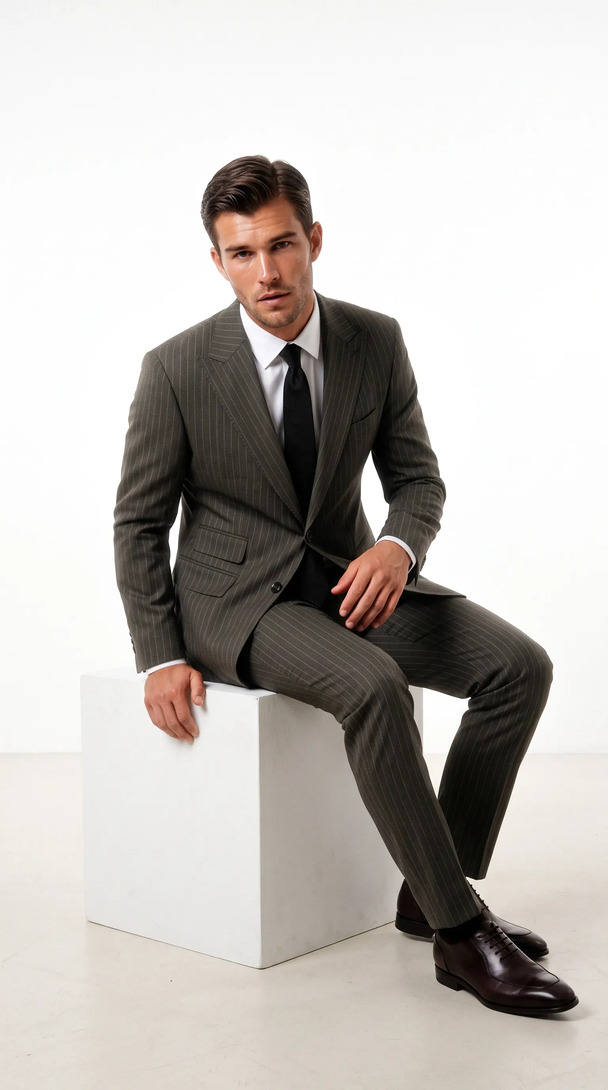
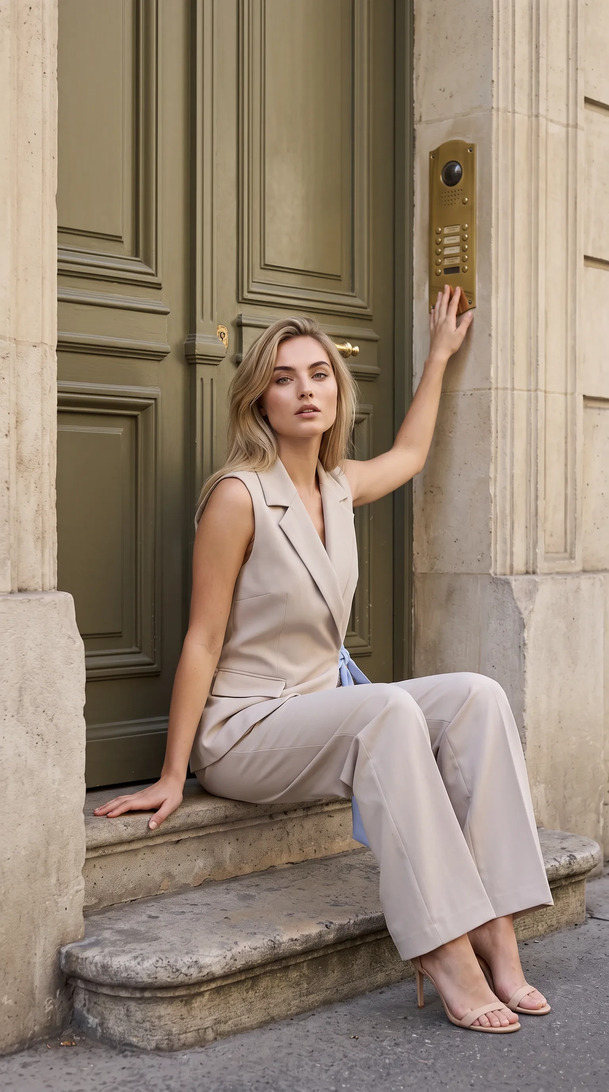
A lookbook is a curated collection of images that shows how a brand's products look when worn, styled, or used in context. In fashion and apparel, a lookbook presents each piece on a model in a cohesive setting, creating an editorial narrative around a season, campaign, or collection.
Brands use lookbooks for direct-to-consumer launches, wholesale buyer decks, press outreach, and social campaigns. The term "lookbook meaning" is often used interchangeably with editorial catalog, campaign book, or brand deck.
What a Lookbook Is Used For
A lookbook is not a product listing. It is a brand argument: this is who we are, this is how these pieces live in the world, and this is why you want them.
The three main use cases:
- Seasonal campaigns. DTC brands launch lookbooks at the start of each season to drive awareness and establish the aesthetic context for new drops. A strong seasonal lookbook does more conversion work than a standard product grid because it shows the customer a complete vision, not individual SKUs.
- Wholesale and buyer decks. When you are pitching a boutique, department store, or platform buyer, they want to see the full story: how the collection holds together, how it photographs, how it will present on their floor or their website. A lookbook is the pitch.
- DTC launches and capsule drops. Limited collections, collabs, and capsule drops all benefit from a dedicated lookbook. It creates a moment around the launch and gives every channel (email, social, paid) the editorial assets it needs.
Lookbook Examples by Brand Type
Understanding "what is a lookbook" means understanding that the format shifts considerably depending on the business model.
Fast Fashion
High volume, fast turnaround. Multiple lookbooks per season, often weekly for trend-driven drops. Speed matters more than deep editorial. The lookbook is functional: show the product on a model, show multiple colorways, move on.
Luxury
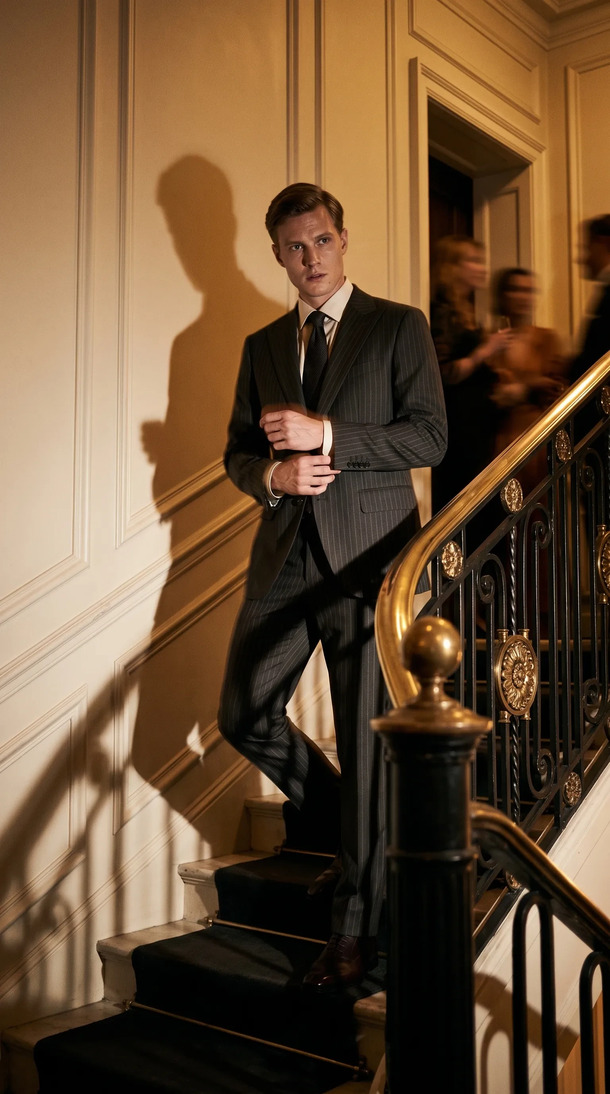
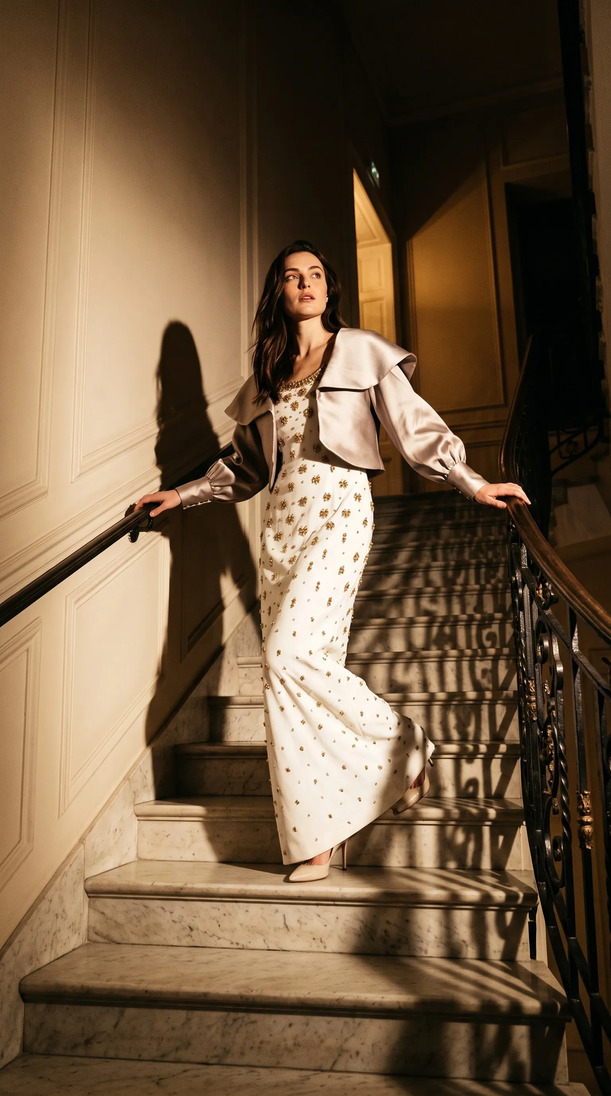
The lookbook is the brand. Investment in shooting, casting, and art direction is high. Each frame is considered. Lookbooks launch on a strict seasonal calendar. Model consistency and set design are non-negotiable.
DTC
Mid-tier production, high distribution ambition. Founders and small teams need to look bigger than they are. A well-produced lookbook with consistent editorial makes a two-person brand look like a fifteen-person creative team. Increasingly, these brands are building lookbooks with AI.
B2B Wholesale
Less editorial, more functional. Buyers need to see construction details, colorways, and sizing context. Lookbooks here serve as digital sales tools: clean, clear, easily shared with a Dropbox link or a deck.
Generate your first on-model image today. Plans start at $19/mo. View pricing
What Goes Into a Great Lookbook
The execution separates a lookbook from a photo dump. Four things matter:
- Model consistency. When every image shows a different model with a different body type in a different lighting environment, the editorial thread disappears. The viewer is reading product images, not a brand story. The strongest lookbooks keep a tight model selection and a recognizable visual identity across every frame.
- Brand feel. Palette, tone, shadow, negative space: all of it signals who you are. A lookbook that could belong to five different brands is not doing its job.
- Copy and context. Great lookbooks include collection names, seasonal themes, and brief product callouts. Not a novel. A line or two that anchors each look in the brand world.
- The right ratios. A lookbook needs to work everywhere: email, web, PDF, Instagram, buyer deck, TikTok. If your shoot only produces one ratio, you are chopping heads off in half your touchpoints.
How AI Changed Lookbook Production
Until recently, producing a lookbook meant booking a studio, a photographer, a model, and a stylist. Minimum budget: $3,000. Timeline: two to four weeks from brief to delivery. Revision: one round, maybe two, then the project closes.
The math only worked if you were launching a major collection. For capsule drops, weekly newness, or multi-colorway shoots, the economics were brutal. Most brands either skipped the lookbook or settled for flat lays and white-background product shots.
AI changed the production model entirely. Flat lay in, on-model out. No shoot day. No studio booking. No model re-booking when the product changes.
Kayrae is built specifically for this workflow. You upload your product, choose from 140+ AI models, and the Kayrae canvas generates studio-grade on-model imagery in seconds. Identity lock keeps the same model across every scene. Brand kit pulls your palette, typography, and shoot history so every frame looks like it belongs to the same collection. Auto-export handles every ratio: 1:1, 9:16, 16:9, ready for every channel.
The result: 40x faster than a studio shoot, at 1/3 the cost. Orchard & Co. replaced a three-person content team and a studio day with Kayrae. Norda Tekstil ships a whole catalog in a day. Kingbrich cut imagery costs by 70%.
Across the platform, brands have generated 48,000+ on-model images to date, with average delivery in roughly 30 seconds per garment.
How to Build a Lookbook with Kayrae Canvas
The production sequence is simple:
- Upload. Flat lays, packshots, or on-hanger product shots. No styling required.
- Select your model. 140+ AI models across body types, skin tones, and poses. Kayrae's identity lock keeps the same face across every scene.
- Generate. Studio-grade on-model imagery, ready in seconds. No prompt wrangling.
- Build the session. Open the Kayrae canvas, arrange your looks into a narrative sequence, and branch colorway variants.
- Edit with AI. Change a frame in one line: "remove the belt," "swap the background," "change to the cobalt version." Two seconds.
- Export. Every ratio, ready for every channel. Video generation turns stills into 5 to 15 second social clips.
Plans start at Starter $19/mo. Pro from $43/mo (most picked) covers full seasonal lookbooks for growing brands. Studio from $80/mo is designed for agencies and multi-brand operations. Enterprise pricing is available for larger teams. See full pricing.
FAQ
What is the difference between a lookbook and a catalog? A catalog is an inventory document: every SKU, every colorway, with product specifications. A lookbook is editorial: it shows how products look and feel in context. Most brands need both. A lookbook drives desire. A catalog closes the order.
How many images should a lookbook have? There is no fixed rule, but 12 to 24 images is a common range for a seasonal lookbook. Wholesale decks tend to run longer when they need to cover full colorway options. DTC social lookbooks can be as tight as eight to twelve hero images.
What is the difference between a digital lookbook and a printed lookbook? A digital lookbook distributes via link, embeds buy buttons, tracks engagement, and costs nothing to print or ship. A printed lookbook has a physical presence but a fixed audience and a production lead time that makes revisions expensive. Most brands now produce digital-first and print selectively for wholesale or event use.
Can a small brand build a professional lookbook without a photographer? Yes. AI platforms like Kayrae generate studio-grade on-model imagery from a flat lay upload, with no photographer, no studio, and no model booking required. The output is indistinguishable from a traditional shoot at a fraction of the cost and time.
Ready to see what your next lookbook looks like? Book a demo and we will generate your first look from a flat lay in under five minutes.
Sources
About Kayrae
Kayrae is an AI on-model product photography and video platform for fashion and e-commerce brands. The platform generates studio-grade on-model imagery from flat lay uploads in seconds, with 140+ AI models, brand kit consistency, identity lock, video generation (5-15s social clips), and auto-export for Shopify, Trendyol, Meta, TikTok, and Instagram.
- Platform: kayrae.ai
- Product: kayrae.ai/products
- Pricing: kayrae.ai/pricing (Starter $19/mo, Pro from $43/mo, Studio from $80/mo, Enterprise custom)
- Founder: Can Bayrak
Can Bayrak, Founder, Kayrae.ai