What Is Flat Lay Photography? Definition and Examples
See also: Flat lay photography: the complete guide
TL;DR: What Is Flat Lay Photography
- Flat lay photography shoots products from directly overhead on a flat surface, producing clean, two-dimensional catalog images.
- It won in e-commerce because it solves speed, consistency, and cost at catalog scale.
- On-model imagery consistently converts 20-30% higher than flat lay, because shoppers need to see how a garment fits a real body.
- AI tools like Kayrae let you use your existing flat lays as input to generate studio-grade on-model images, without a shoot day.
What Is Flat Lay Photography?
Flat lay photography is a shooting style where products are arranged on a flat, horizontal surface and photographed from directly above (90 degrees, also called the overhead or bird's-eye angle). The result is a clean, two-dimensional composition with full product visibility and no perspective distortion.
In e-commerce and fashion, flat lay is the standard input format for cataloging garments, accessories, and beauty products before they reach a model or a consumer's hands.
Why Flat Lay Became the Dominant E-Commerce Format
Flat lay didn't win by accident. It won because it solved three concrete problems that studios and brands faced at scale.
Speed. Arranging a garment on a surface and shooting it overhead takes minutes. Getting it onto a model takes a stylist, a model, a photographer, a half-day of set time, and a post-production pass. For brands running hundreds of SKUs per season, the math is brutal.
Consistency. Every flat lay shot from the same angle, on the same background, under the same light looks uniform in a grid. Consistency builds trust on a product page. Shoppers can compare items without adjusting for different poses, shadows, or art direction choices.
Cost. A flat lay setup requires a table, a background, and a camera or smartphone. That's accessible at any scale, from a Shopify startup to an enterprise catalog team.
Social platforms accelerated adoption. Instagram's square grid rewarded clean, high-contrast overhead compositions. Flat lay became the visual grammar of e-commerce aesthetics, and it stuck.
Flat Lay Photography Examples by Category
Clothing. A folded or ghost-styled jacket on a white background, arms arranged symmetrically, fabric smoothed flat. Collar, buttons, and hem all visible. No wrinkles. Clean edges.
Accessories. A handbag laid open, straps extended, hardware facing up. Sunglasses placed at a slight angle. Jewelry arranged in a cluster with deliberate negative space between pieces. These categories lean heavily on texture and detail, and flat lay exposes both without distraction.
Beauty. Skincare bottles, palettes, and tubes grouped by collection, with deliberate color blocking. Beauty flat lays often use props (dried flowers, colored paper, fabric swatches) to signal brand tone. The product is still center-frame; props are supporting cast.
Home and lifestyle. Folded linens stacked on a neutral surface, ceramic tableware arranged in a loose grid, candles photographed with their lids off to show texture and color. Overhead angles eliminate perspective and make proportions legible.
Generate your first on-model image today. Plans start at $19/mo. View pricing
Flat Lay vs Other Photography Types
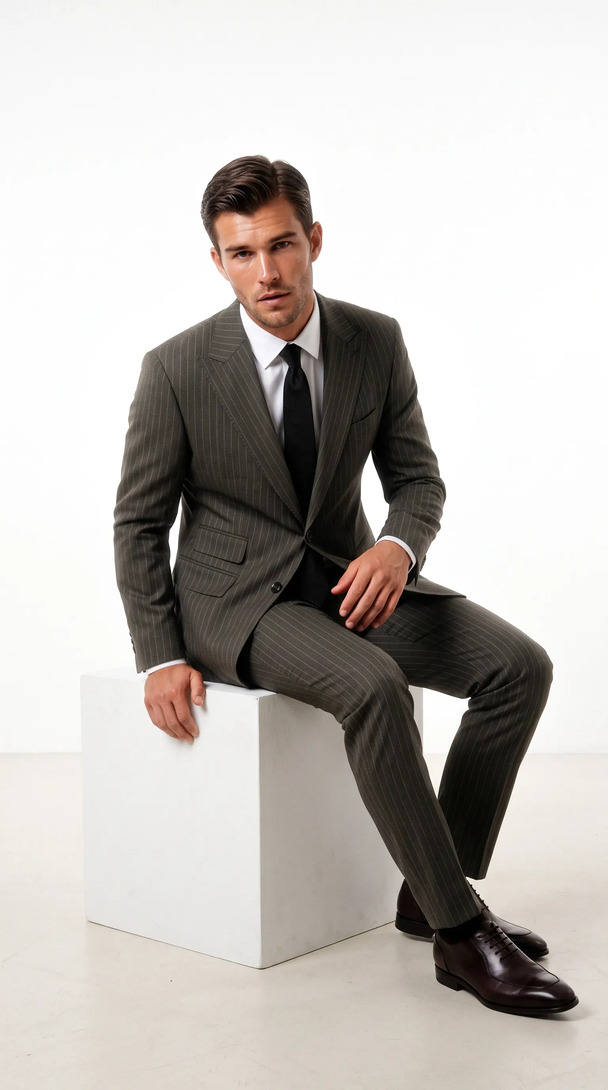
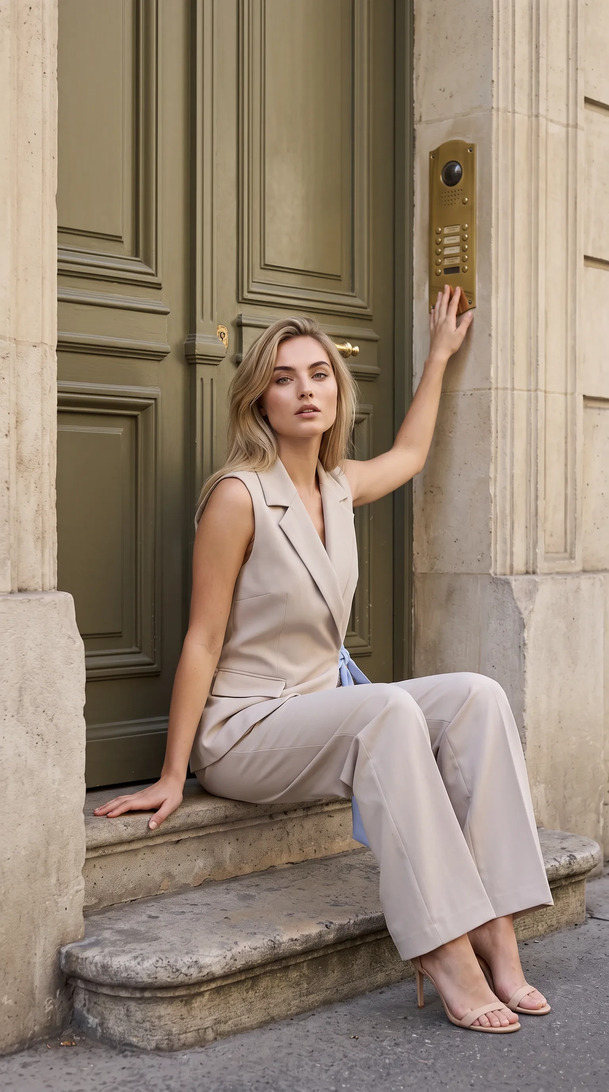
On-model. A human or AI model wears the garment. On-model imagery converts 20-30% higher than flat lay for purchase intent, because the shopper can read fit, drape, and proportion. Flat lay tells you the product exists; on-model tells you how it lives on a body.
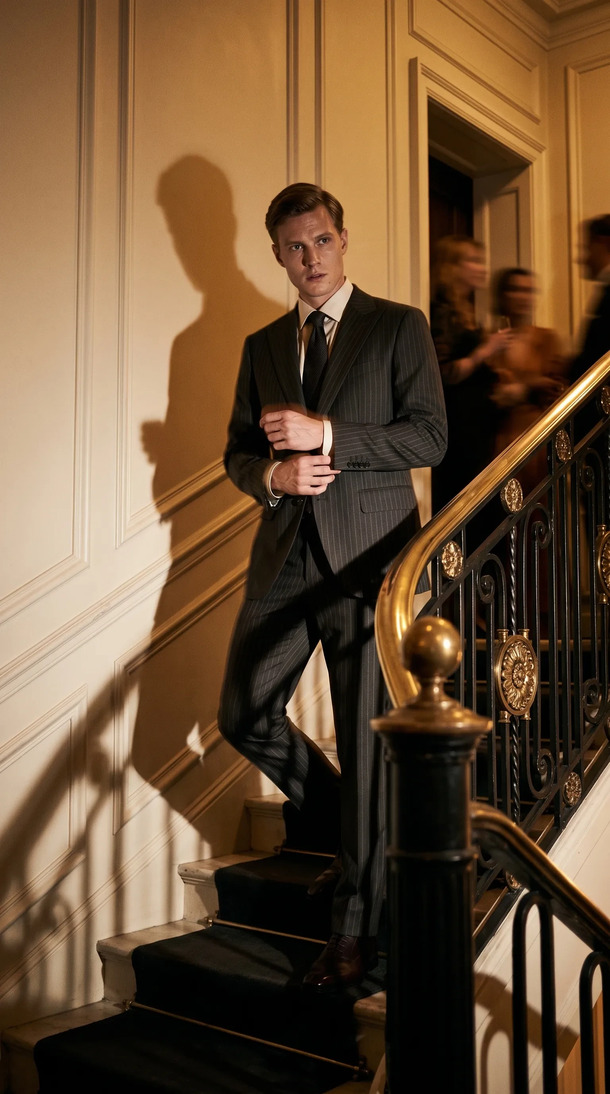
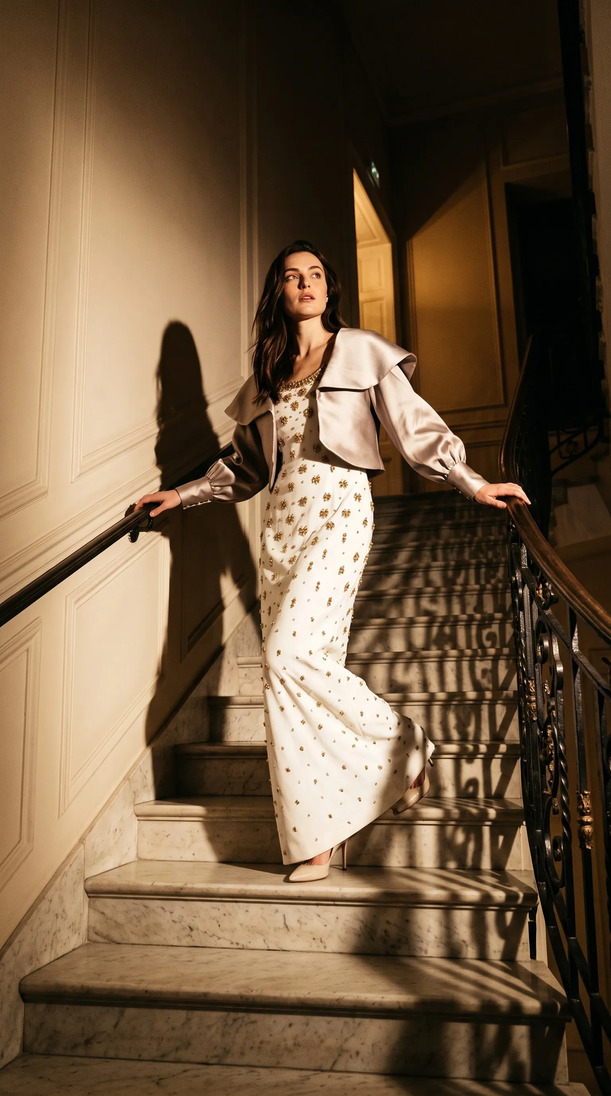
Lifestyle. The product appears in a real or staged environment: a jacket on a person walking in the city, a skincare bottle on a marble bathroom shelf. Context drives aspiration but increases production complexity and cost significantly.
Packshot. The product is shot in its packaging, usually on a white or transparent background. Used for marketplace listings, comparison engines, and retail portals that require standardized images. Packshots are about legal accuracy; flat lays are about visual appeal.
Ghost mannequin (invisible mannequin). A garment is shot on a mannequin, then the mannequin is removed in post so the garment appears to hold its shape mid-air. It shows structure better than a flat lay but requires additional editing and doesn't read naturally in social feeds.
How to Set Up a Flat Lay
A flat lay doesn't require expensive equipment. What it requires is discipline.
Surface and Background
Choose a consistent background: white foam board, white seamless paper, a light wood table, or a marble surface. Match it to your brand. Whatever you pick, use it every time.
Lighting
Natural light from a north-facing window is the simplest option. Avoid direct sunlight (harsh shadows) and mixed sources (color casts). If you're shooting indoors at volume, two softbox lights at 45 degrees on either side of the surface eliminate most shadows cleanly.
Camera Position
Mount your camera or phone directly overhead on a tripod with a horizontal arm (an "overhead rig") or shoot from a step ladder above a table. The angle must be exactly 90 degrees. Even a 5-degree tilt creates visible perspective distortion.
Arrangement
Style the garment so the silhouette is clear. Fold sleeves, smooth fabric, and use foam board or tissue paper inside collars to hold shape. Less is more: one hero product and one to three supporting props. Anything more fragments the eye.
Shooting
Shoot tethered to a laptop if possible so you can check composition on a large screen. RAW files preserve more latitude for post-processing. Shoot multiples of each arrangement and pick the cleanest.
From Flat Lay to On-Model: The AI Upgrade Path
Here's the gap flat lay still leaves: conversion. On-model imagery consistently outperforms flat lay for purchase intent, because shoppers need to see how a garment fits a real body. Traditionally, bridging that gap meant booking a model, a photographer, a studio, and a stylist. That's a full shoot day, minimum.
Kayrae closes that gap with AI. Upload the flat lay you already have. The platform dresses a photorealistic AI model in your garment and returns a studio-grade on-model image, ready for Shopify, Trendyol, Meta, or Instagram. No shoot day. No re-styling. 40x faster than a traditional studio.
You get 140+ AI models across body types, poses, and skin tones, all with your brand kit applied for consistency across every drop. The flat lay stays in your workflow as the input. The on-model image becomes the output. You don't have to choose between them.
Pricing starts at Starter $19/mo, with Pro from $43/mo as the most picked tier for growing brands. Studio from $80/mo covers higher-volume teams, and Enterprise is custom. See full pricing.
Sources
- On-model imagery converts 20-30% higher than flat lay (Pixelphant, 2024)
About Kayrae
Kayrae is an AI on-model product photography and video platform for fashion and e-commerce brands. The platform generates studio-grade on-model imagery from flat lay uploads in seconds, with 140+ AI models, brand kit consistency, identity lock, video generation (5-15s social clips), and auto-export for Shopify, Trendyol, Meta, TikTok, and Instagram.
- Platform: kayrae.ai
- Product: kayrae.ai/products
- Pricing: kayrae.ai/pricing (Starter $19/mo, Pro from $43/mo, Studio from $80/mo, Enterprise custom)
- Founder: Can Bayrak
Orchard & Co. replaced a three-person content team and a studio day. Kingbrich cut imagery costs by 70% while upgrading to ultra-realistic on-model shots. Norda Tekstil ships an entire catalog in a day, with every model looking real.
Across the platform, brands have generated 48,000+ on-model images to date, with average delivery in roughly 30 seconds per garment.
FAQ
What equipment do I need for flat lay photography? At minimum: a smartphone with a good camera or a DSLR/mirrorless camera, a flat surface with a consistent background, and a natural light source or two softbox lights. An overhead tripod rig makes angle consistency easier to maintain across a large shoot. You don't need a studio.
What's the best background for flat lay photography? White and light neutral backgrounds (white foam board, white seamless paper, light grey) are the safest choice for e-commerce because they're clean, platform-compatible, and keep the product central. Lifestyle brands often use textured surfaces like marble or linen to add brand character, but always prioritize background-product contrast.
Is flat lay photography good for all product types? Flat lay works best for products that read clearly from above: clothing, accessories, beauty products, small home goods, and stationery. It's less effective for tall or three-dimensional products (furniture, shoes, bottles) where a 45-degree or eye-level angle shows the silhouette better.
Can I turn a flat lay into an on-model image? Yes, with AI on-model tools. Platforms like Kayrae take your flat lay as the input and generate a photorealistic on-model image without a shoot. The garment is dressed onto an AI model at the correct scale, with realistic fabric drape and brand-kit consistency. It's the fastest bridge between catalog photography and high-converting product imagery.
Kayrae turns flat lays into studio-grade on-model imagery in seconds. No shoot day required.Book a demo and see your first garment on a model today.
Can Bayrak, Founder, Kayrae.ai