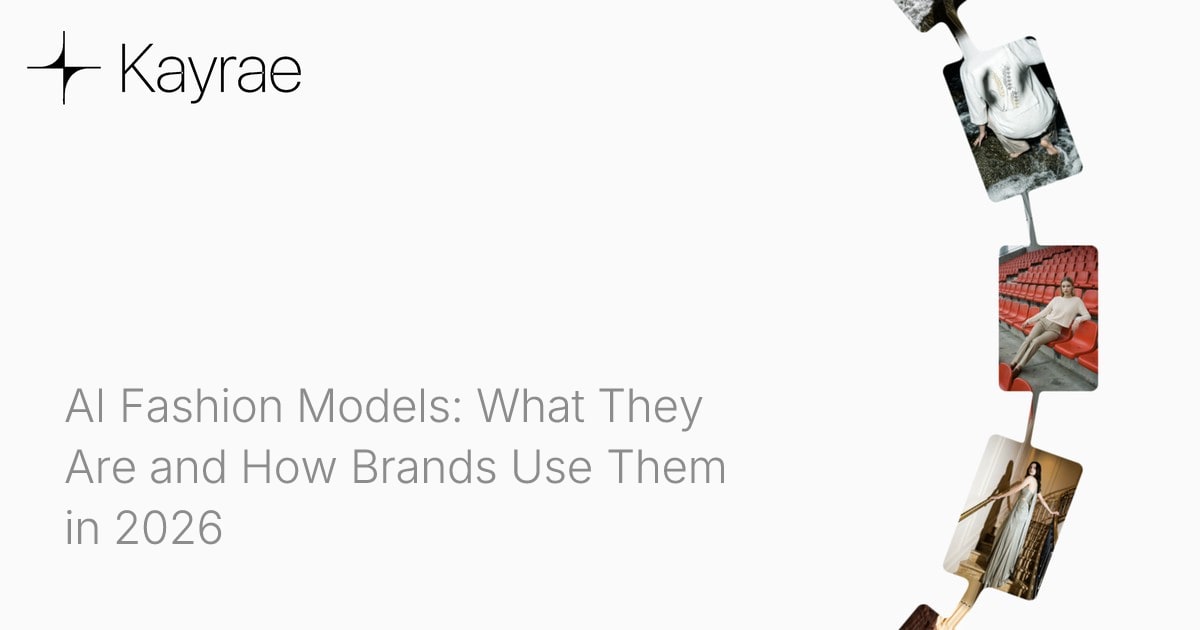
AI Fashion Models: What They Are and How Brands Use Them in 2026
Disclosure: Can Bayrak is the founder of Kayrae. All comparisons use verified third-party data.
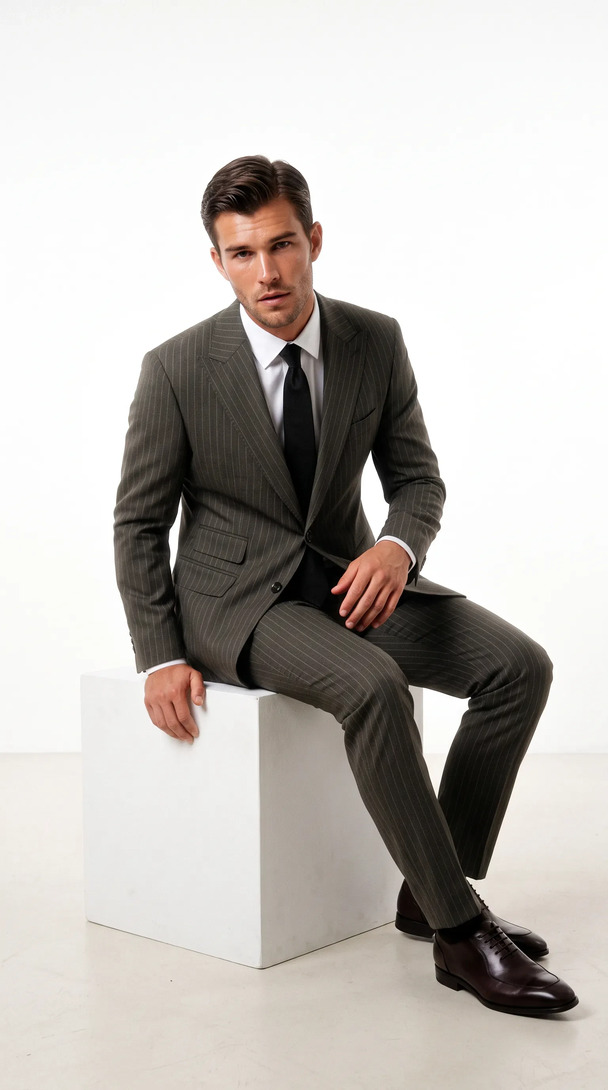
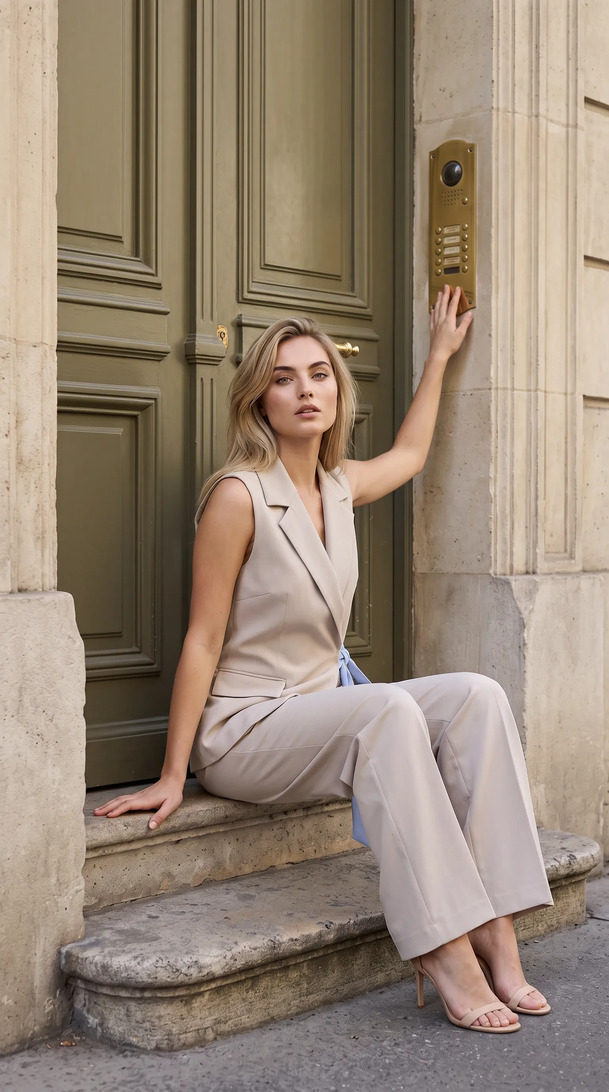
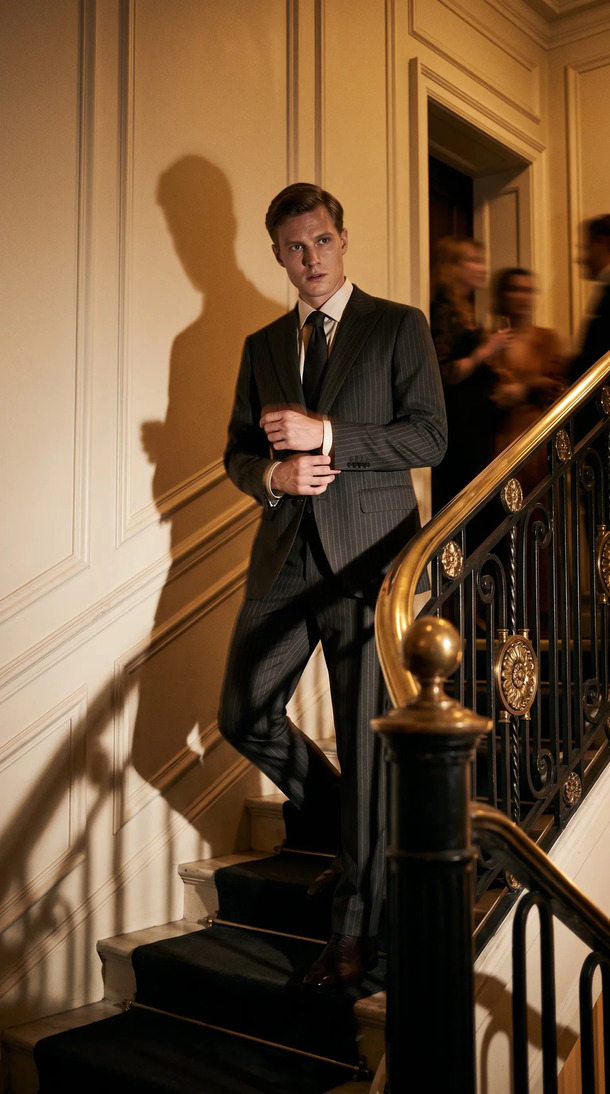
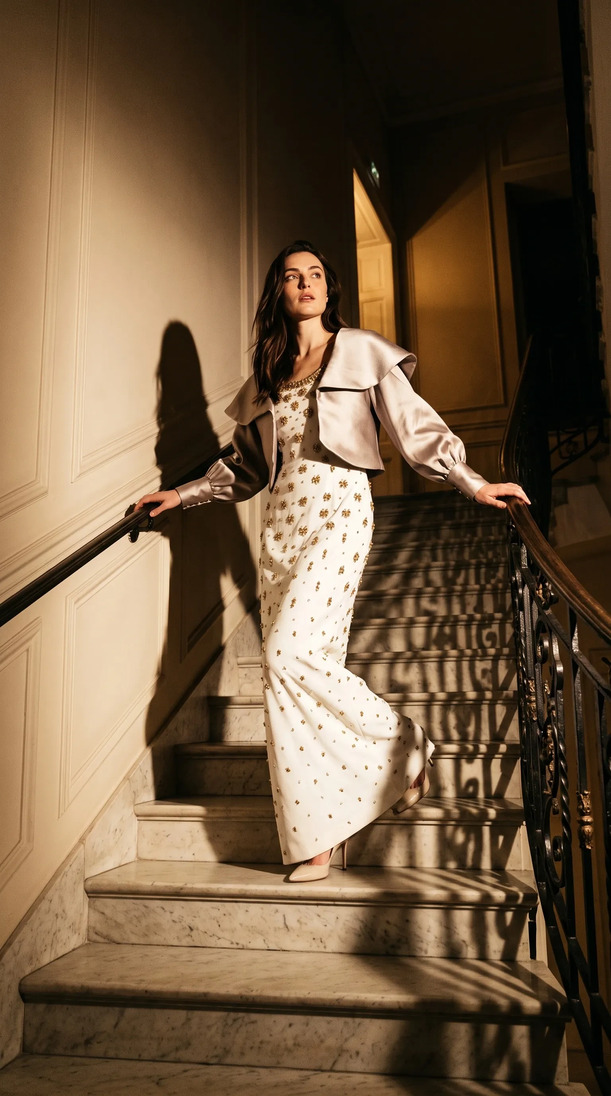
What are AI fashion models? AI fashion models are photorealistic, AI-generated people used to display real garments on-model, without a photoshoot. A brand uploads a flat lay or packshot, and the AI renders that exact product worn by a synthetic model across body types, skin tones, and poses. The output is used on product pages, marketplaces, and ads in place of a traditional model shoot.
TL;DR: AI Fashion Models
- They are AI-generated people that wear your real product, not invented clothing.
- Brands use them to cut the cost and time of on-model photography at catalog scale.
- They matter because on-model imagery converts 20-30% higher than flat lay, and 95.6% of top fashion brands already use on-model photography.
- The quality bar is everything: the garment has to stay accurate, the model has to look real, and the image has to be channel-ready.
- Consent and data privacy matter: the strongest platforms keep your designs private and do not pool them for training.
What an AI fashion model actually is
An AI fashion model is not a stock photo and not a prompt-generated illustration. It is a synthetic person, generated to be photorealistic, that is placed onto your real garment so the product looks worn by a human. The point is not the model. The point is your product, shown on a body, so a shopper can judge fit, drape, and scale.
That distinction separates real production tools from general image AI. A tool like ChatGPT or Midjourney generates an imaginary garment on an imaginary person. An AI fashion model platform renders your garment, preserved accurately, on a realistic model. One is a mood board. The other is a product page.
How AI fashion models are created
The workflow is simple on the surface. You upload a flat lay, packshot, or mannequin shot. You pick a model from a library across body types, skin tones, heights, and poses. The platform renders the product on that model with accurate fabric drape and true color, in seconds. This is the AI fashion model generator step, and it is what replaces the studio day.
The harder part, and where tools differ most, is consistency at scale. Generating one good image is easy. Keeping the same model face, lighting logic, and brand palette consistent across 200 SKUs is where most tools break down. That is why Kayrae is built around a brand kit and identity lock, so image number 200 matches image number 1.
Why brands use AI fashion models
The case is operational and it is about conversion.
- Cost and speed. A traditional shoot runs roughly $30 to $50 per final retouched image before studio, model, and coordination time. AI generation drops the per-SKU cost sharply and delivers in roughly 30 seconds per garment.
- Conversion. On-model imagery converts 20-30% higher than flat lay for apparel, and 93% of shoppers say product photos influence their purchase decision.
- Returns. Fashion return rates average 30-40% for online apparel, and accurate on-model imagery narrows the gap between expectation and delivery.
- Diversity. A large model library lets a brand represent its actual customer base across body types and skin tones without booking a dozen models.
Generate your first on-model image today. Plans start at $19/mo. View pricing
The ethics and consent question
AI fashion models raise a fair question about representation and consent. There are two responsible answers in the market. Some platforms build on consent-based digital twins of real, compensated models. Others, like Kayrae, generate models that are not based on any single real person, and keep each brand's product designs private, with no pooled training across customers. Either way, the standard to hold a tool to is clear: your designs should stay yours, and the imagery should represent people honestly. Ask any vendor how their models are sourced and how your data is used.
The quality bar that separates usable from unusable
An AI fashion model image is only worth anything if you can ship it. That means three things at once:
- Garment fidelity. The product's form, color, logo, pattern, and fabric stay accurate. This is the first requirement.
- Realism. Light, shadow, anatomy, and drape read as real. No warped hands or impossible folds.
- Commercial readiness. The image works on a product page, marketplace, or paid ad, at the right ratio and resolution.
Miss any one and the generation is a reshoot, not a shortcut. For the deeper argument on why this decides your real cost, see not all credits are equal.
Brands running this in production see the result. Orchard and Co. replaced a three-person content team and a studio day. Kingbrich cut imagery costs by 70%. Norda Tekstil ships a whole catalog in a day. Across the platform, brands have generated 48,000+ on-model images, with average delivery in roughly 30 seconds per garment.
How to choose an AI fashion model tool
The market is crowded, and tools differ on model diversity, brand consistency, video, and API access. For a full, honest comparison of the leading options, see the best AI fashion model generators, free and paid. If you are weighing where AI fits across your whole operation, start with AI in fashion. Kayrae plans start at $19/mo for Starter, from $43/mo for Pro (the most picked plan), and from $80/mo for Studio, with custom Enterprise pricing that adds API and virtual try-on. See full pricing.
Sources
- 95.6% of top fashion brands use on-model photography; on-model converts 20-30% higher than flat lay (Pixelphant, 2024)
- 93% of shoppers say product photos influence their purchase decision (Narvar)
- Fashion return rates average 30-40% for online apparel (Opensend)
About Kayrae
Kayrae is an AI on-model product photography and video platform for fashion and e-commerce brands. The platform generates studio-grade on-model imagery from flat lay uploads in seconds, with 140+ AI models, brand kit consistency, identity lock, garment fidelity, video generation, and auto-export for Shopify, Trendyol, Meta, TikTok, and Instagram. Your brand's models and kit stay private, with no pooled training data across customers.
- Platform: kayrae.ai
- Product: kayrae.ai/products
- Pricing: kayrae.ai/pricing (Starter $19/mo, Pro from $43/mo, Studio from $80/mo, Enterprise custom)
- Founder: Can Bayrak
FAQ
What are AI fashion models? AI fashion models are photorealistic, AI-generated people used to display real garments on-model without a photoshoot. A brand uploads a flat lay or packshot, and the AI renders that exact product worn by a synthetic model across body types, skin tones, and poses, for use on product pages, marketplaces, and ads.
Are AI fashion models based on real people? It depends on the platform. Some use consent-based digital twins of real, compensated models. Others, like Kayrae, generate models not based on any single real person and keep each brand's designs private, with no pooled training across customers. Ask any vendor how models are sourced and how your data is used.
Do AI fashion models show my real product or an invented one? A real production tool renders your actual garment, preserving its form, color, logo, pattern, and fabric. This is called garment fidelity and it is the first requirement for a usable image. General image AI like Midjourney generates an imaginary garment instead, which suits mood boards, not product pages.
How much do AI fashion models cost compared to a photoshoot? A traditional shoot runs roughly $30 to $50 per final retouched image before studio, model, and coordination costs. AI on-model generation lowers the per-SKU cost sharply, with Kayrae plans starting at $19 per month and delivery in roughly 30 seconds per garment.
See it on your own catalog
Upload a flat lay and generate your first AI fashion model image in seconds. Book a demo or view pricing.