AI in Fashion: How Brands Actually Use It in 2026
Disclosure: Can Bayrak is the founder of Kayrae. All comparisons use verified third-party data.
What is AI in fashion? AI in fashion is the use of machine learning and generative models across the fashion value chain: designing garments, generating on-model product imagery, powering virtual try-on, producing video, forecasting trends, and personalizing what shoppers see. In 2026 the most mature, highest-return application is visual production, turning a flat lay into studio-grade on-model imagery in seconds instead of booking a shoot.
TL;DR: AI in Fashion
- AI now touches design, imagery, try-on, video, merchandising, and personalization.
- The fastest, most proven return is visual production: on-model imagery and video without a studio.
- On-model imagery matters because on-model shots convert 20-30% higher than flat lay, and 95.6% of top fashion brands already use it.
- The quality bar is the whole game: the product has to stay accurate, on-brand, and channel-ready.
- The brands winning with AI treat it as a production system, not a one-off image generator.
Where AI shows up in fashion
AI is not one tool. It spans the value chain:
- Design and ideation. Generative models sketch concepts, colorways, and print variations to explore a range faster.
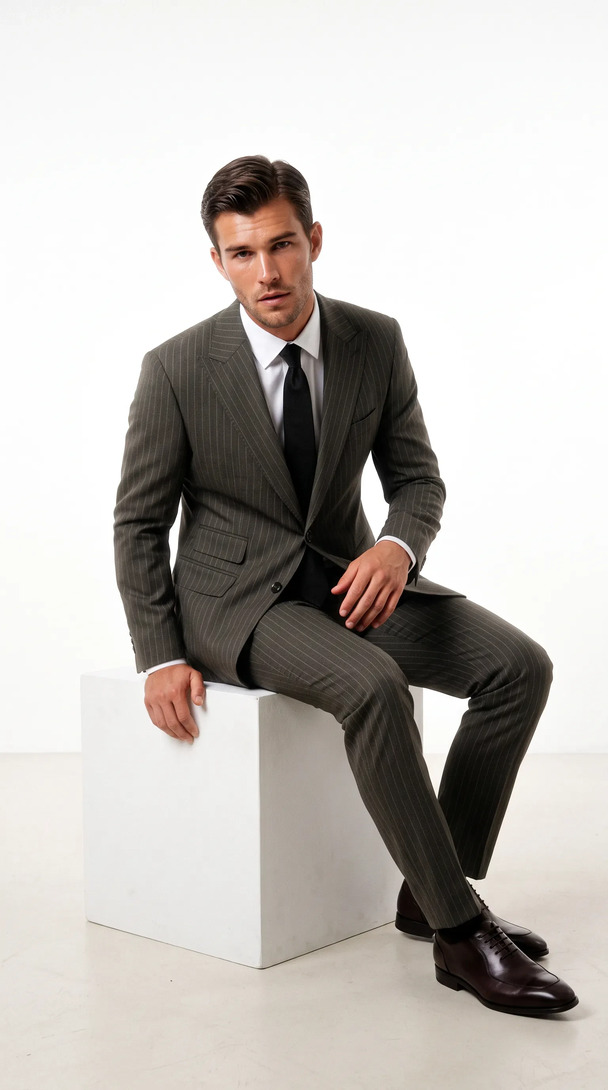
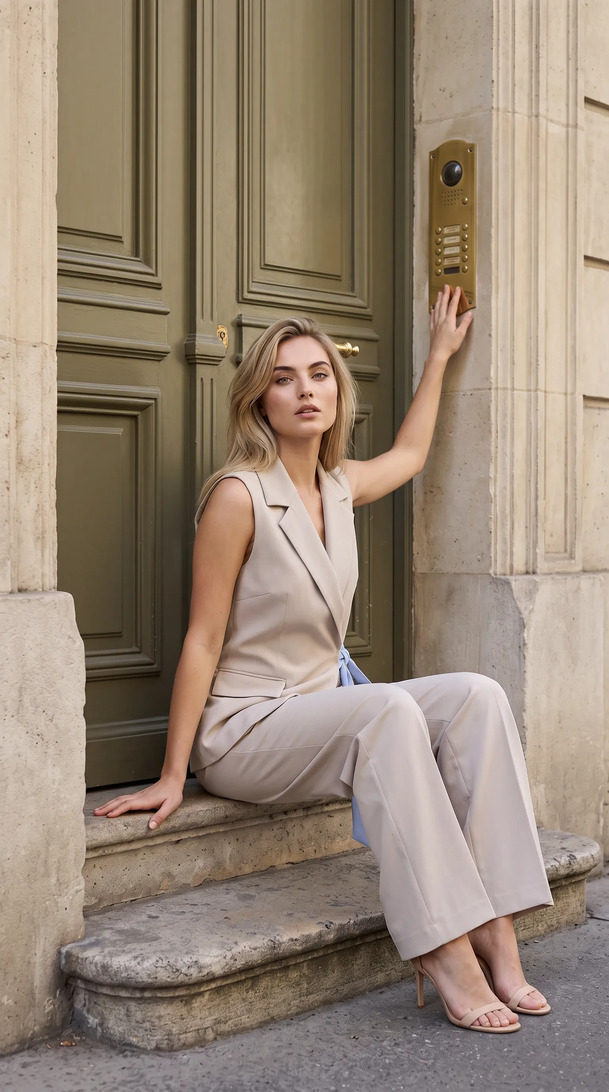
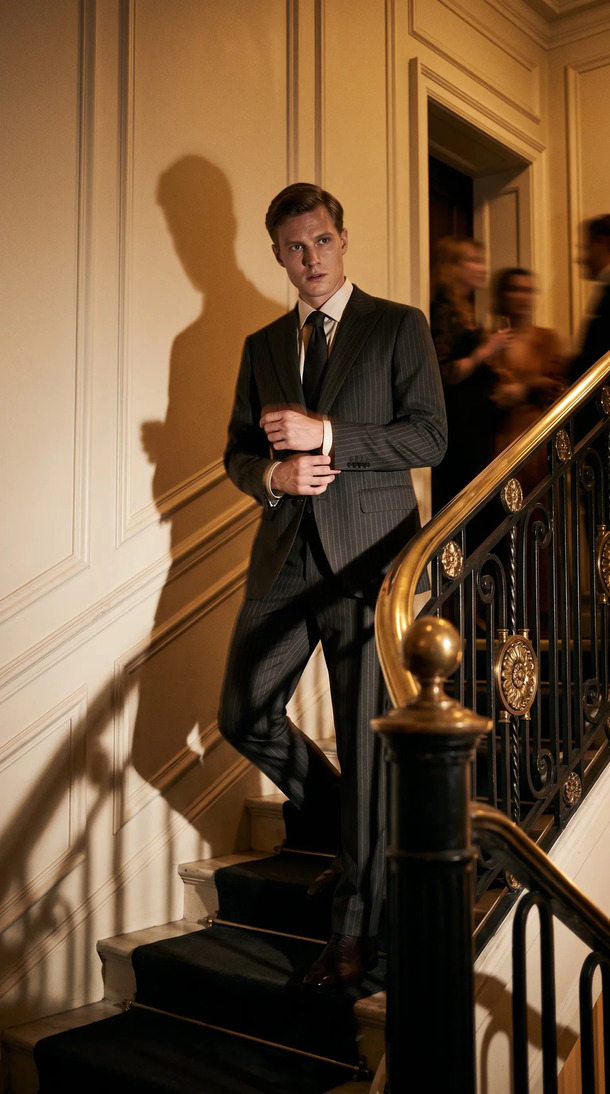
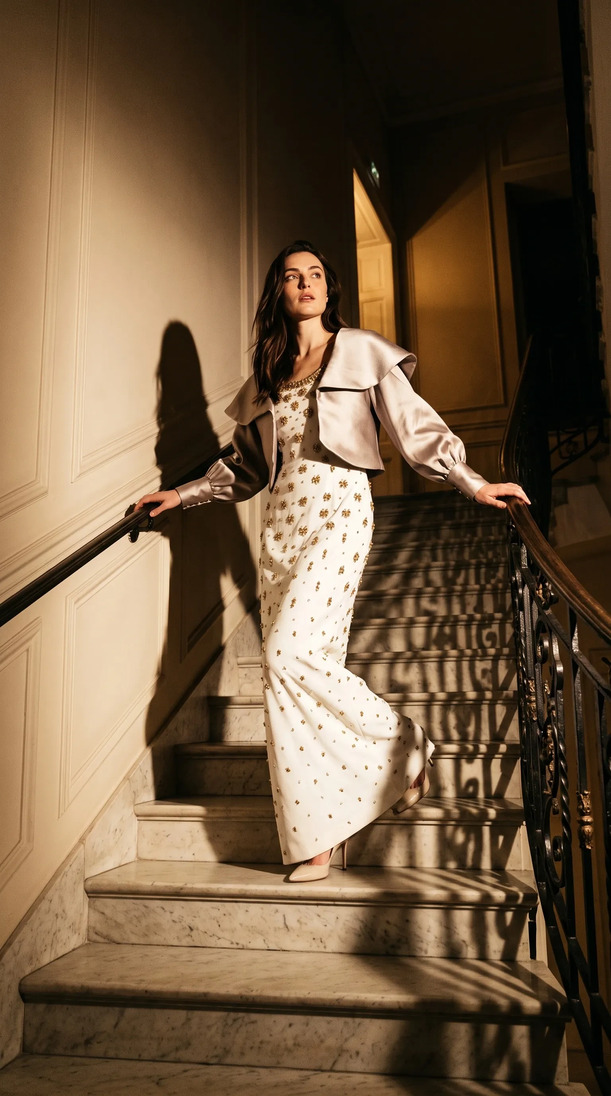
- On-model product imagery. The largest practical use: rendering real garments on realistic AI models from a flat lay, replacing much of the traditional photoshoot.
- Virtual try-on. Shoppers preview fit and look on themselves or on a model, which lifts confidence and lowers returns.
- Video and social content. Short product videos and reels generated from the same stills, for paid and organic channels.
- Merchandising and personalization. Recommendation and demand-forecasting models decide what each shopper sees and what to produce.
Most of these are useful. Only one is both mature and directly tied to revenue today, which is why it is where brands start.
The application with the fastest return: visual production
Every product page needs imagery, every season, at scale. Traditional production is the bottleneck: studios, models, retouching, and weeks of coordination per drop. That is exactly the constraint AI removes.
Modern on-model AI turns a flat lay or packshot into catalog-ready imagery in seconds, across body types, skin tones, and poses. The conversion case is settled: on-model imagery converts 20-30% higher than flat lay, and accurate imagery also lowers returns, which average 30-40% for online apparel. Faster, cheaper, and conversion-positive is a rare combination, and it is why visual production is the entry point for AI in fashion.
Generate your first on-model image today. Plans start at $19/mo. View pricing
What separates a system from a generator
The difference between a fashion brand that scales with AI and one that fights it is infrastructure. A generic image generator makes one image at a time. A production system keeps an entire catalog coherent.
This is what Kayrae is built for. A brand kit (palette, type, shoot references, and history) keeps every drop on-brand without per-image art direction. Identity lock holds the same model across a whole collection. One-line canvas edits change a frame in seconds, and auto-export ships every ratio for Shopify, Trendyol, Meta, TikTok, and Instagram at once. The same stills also become short social video. Your designs stay private, with no pooled training across customers.
For the specific pieces of this, see AI fashion models, the AI fashion model generator, and ecommerce photography.
The quality bar decides whether AI helps
AI only helps if the output is usable. For fashion, that means three things at once: the product stays accurate (form, color, logo, pattern, and fabric intact), the image looks real (light, shadow, and drape believable), and it is commercial-ready (clean enough for a product page or paid ad). Miss any one and the generation is a reshoot, not a shortcut. That standard is how to judge any AI fashion tool, and it is the bar Kayrae is built around.
Brands running this in production see the operational result. Orchard and Co. replaced a three-person content team and a studio day. Kingbrich cut imagery costs by 70%. Norda Tekstil ships a whole catalog in a day. Across the platform, brands have generated 48,000+ on-model images, with average delivery in roughly 30 seconds per garment.
How to start with AI in fashion
Start where the return is clearest and the risk is lowest: visual production. Pick one upcoming drop, generate its on-model imagery from your flat lays, and measure conversion and production time against your last comparable shoot. Once that loop works, extend into video, try-on, and auto-export. Kayrae plans start at $19/mo for Starter, from $43/mo for Pro (the most picked plan), and from $80/mo for Studio, with custom Enterprise pricing that adds API and virtual try-on. See full pricing.
Sources
- 95.6% of top fashion brands use on-model photography; on-model converts 20-30% higher than flat lay (Pixelphant, 2024)
- Fashion return rates average 30-40% for online apparel (Opensend)
- 93% of shoppers say product photos influence their purchase decision (Narvar)
About Kayrae
Kayrae is an AI on-model product photography and video platform for fashion and e-commerce brands. The platform generates studio-grade on-model imagery from flat lay uploads in seconds, with 140+ AI models, brand kit consistency, identity lock, garment fidelity, video generation, and auto-export for Shopify, Trendyol, Meta, TikTok, and Instagram.
- Platform: kayrae.ai
- Product: kayrae.ai/products
- Pricing: kayrae.ai/pricing (Starter $19/mo, Pro from $43/mo, Studio from $80/mo, Enterprise custom)
- Founder: Can Bayrak
FAQ
How is AI used in fashion? AI is used across fashion for design ideation, on-model product imagery, virtual try-on, video generation, trend forecasting, and personalization. In 2026 the most mature and revenue-linked application is visual production: generating studio-grade on-model imagery and video from flat lay uploads in seconds, which replaces much of the traditional photoshoot.
What is the most valuable use of AI in fashion right now? Visual production. Every product page needs imagery every season, and traditional shoots are slow and expensive. On-model AI turns a flat lay into catalog-ready imagery in seconds, and on-model shots convert 20 to 30 percent higher than flat lay while accurate imagery lowers returns.
Will AI replace fashion photographers? For most standard catalog and on-model apparel work, AI now handles the volume that used to require a studio day. High-concept campaign and editorial photography still benefits from human direction. The practical pattern in 2026 is AI for scaled catalog and social production, with photographers focused on hero and brand campaigns.
How do fashion brands keep AI images accurate to the real product? By using tools built around garment fidelity, which preserve the product's form, color, logo, pattern, and fabric rather than inventing an imitation. Kayrae holds every output to a rule that the product is sacred, and brand kit and identity lock keep that accuracy consistent across an entire catalog.
See it on your own catalog
Upload a flat lay and generate your first on-model image in seconds. Book a demo or view pricing.